
Getting your solar system installed is only half the battle. Without PG&E's Permission to Operate (PTO) and a certified Power Control System (PCS), your panels could sit idle for weeks — costing you money every single day.
Your solar installation is complete. The panels are on the roof. Your installer shook your hand and drove away.
But your system is still off — and PG&E won't let you flip the switch yet.
This is the reality many Southern California homeowners face after installation. Before your solar can legally operate and earn you credits, PG&E must issue a Permission to Operate (PTO) letter. And if your system includes a battery over 10 kW, there's one more requirement most homeowners never hear about until it causes a delay: a Power Control System (PCS).
This guide explains both — clearly, without the jargon — so you can get your system running fast, stay grid-compliant, and actually start saving.
PTO is PG&E's official green light for your solar system to connect to the grid and start generating credits. Without it, your system legally cannot run — even if the city inspection has passed and everything looks perfect on your roof.
Think of it as the final checkpoint in a three-stage process: installation, local permit inspection, and then utility approval. All three must clear before you see a single dollar of savings.
PG&E's review covers three main areas. First, they confirm your equipment can safely synchronize with the grid and shut down when needed. Second, they verify your account is set up for solar billing under the Net Billing Tariff (NBT). Third, they check that your meter can measure both energy you consume and energy you export.
Once all required paperwork is submitted, PTO typically takes 5 to 10 business days, with a maximum of 30 business days. Missing documents or incomplete applications are the most common cause of avoidable delays.
Some homeowners — eager to start saving — turn their systems on before PTO is issued. This backfires badly. PG&E will bill you for any energy your system exports to the grid, without giving you credit for it. One homeowner reported being charged for both energy pulled from the grid and energy they sent back — before their PTO letter arrived.
The fix is simple: work with an installer who manages this paperwork proactively. To learn more about how to get PTO approval in California, our detailed guide walks you through every step.
Here's where many SoCal homeowners get surprised. If your solar and battery system stores more than 10 kW of energy, PG&E requires a certified Power Control System (PCS) before granting PTO.
A PCS is essentially a smart limiter. It monitors and manages how much electricity your system exports to the grid, ensuring you stay within PG&E's allowed thresholds under the Net Billing Tariff.
PG&E's core concern is grid stability. Large residential battery systems — like a Tesla Powerwall 3 with 11.5 kW of storage — can push significant amounts of electricity back to the grid during peak production hours. Without a PCS, this can overload local transformers and the broader distribution network.
The PCS must meet UL 1741 CRD standards and comply with PG&E's "No Grid Charge" or "No Storage Export" clauses. Without this certification, PG&E may delay or outright deny your PTO — leaving your system idle and your investment stalled.
Your installer has a few options for meeting this requirement. Some batteries — like Tesla Powerwall — include an integrated power control function that already meets UL 1741 CRD standards. If your system doesn't include a built-in solution, a third-party PCS device can be added. Most reputable solar installers handle PCS certification and integration for you — this is the fastest, lowest-risk path.
Understanding whether your system needs a PCS starts with knowing its size. Use our guide to right solar system size for your home to calculate what capacity is right for your energy needs.
A question we hear constantly from SoCal homeowners: "If I have a PCS, can I still import and export electricity?"
Yes — but within limits set by PG&E. The PCS dynamically manages the flow of electricity, ensuring compliance while still allowing you to export when the grid can safely accept it.
Importing happens when your home consumes more electricity than your solar system produces. Your battery kicks in first to cover the gap. Only after battery reserves drop does your home draw from the grid.
This is especially valuable during PG&E's peak pricing hours (4 PM to 9 PM), when grid electricity is most expensive. A properly sized battery can dramatically reduce your exposure to these rates.
Exporting occurs when your system produces more than your home consumes. Under the current Solar Billing Plan, export credits are valued based on when energy is sent to the grid, with early adopters receiving rate adders starting at 2.2 cents per kWh, locked in for nine years.
The PCS ensures your exports stay within PG&E's approved thresholds — protecting you from fines and keeping your PTO in good standing. To understand exactly how these rules affect your wallet, read our explainer on NEM 3.0 solar billing changes and PG&E battery export restrictions under NEM 3.
The PTO process is straightforward when done correctly. But shortcuts and gaps in documentation cause delays that can stretch from days into weeks.
The most common causes of delay include incomplete interconnection packets with missing signatures, equipment spec sheets, or single-line diagrams that don't match the installed configuration. A missing customer email address alone can slow things down — PG&E recommends including it on the application for faster approval.
Many homeowners with battery systems over 10 kW don't realize a PCS is mandatory until their PTO application is flagged. At that point, sourcing and installing a compliant PCS — or confirming your existing battery qualifies — adds weeks to your timeline.
Some installers hand off the PTO paperwork to homeowners after installation. This puts the burden of compliance on you — and one missed form can restart the clock. The right installer submits documentation proactively, tracks application status, and resolves flags before they become delays.
Are your solar and battery systems worth it in California if delays push back your savings by months? The right installer makes sure they are.
US Power is Southern California's exclusive factory-direct QCells partner — and that means more than just premium panels. It means a streamlined installation and compliance process built to get you to PTO faster than the competition.
Every US Power system that requires a PCS gets one — properly certified, properly integrated, and documented for PG&E's interconnection review. There are no surprises after installation because compliance is built into the process from your first consultation.
US Power's CSLB-licensed consultants review your system design, confirm PCS requirements based on your battery capacity, and handle every document PG&E needs. You don't have to chase paperwork or decode utility regulations.
PG&E rates have increased six times in the past 12 months with no stabilization expected, and solar installations lock in energy costs for 25+ years while utility customers face 6–10% annual increases. US Power's American-made QCells panels are backed by a 25-year comprehensive warranty covering panels, workmanship, and performance — so your investment is protected for the long haul.
With factory-direct pricing 15–20% below market, you're getting premium equipment without the premium markup. And with a 3–4 week installation timeline after approval, US Power moves faster than most installers in Southern California.
Getting PTO isn't the finish line — it's the starting line. Once your system is live, how you manage energy use determines how much you save.
Under PG&E's time-of-use pricing, grid electricity costs the most between 4 PM and 9 PM. A correctly sized battery — charged from solar during the day — lets you power your home through these expensive hours without touching the grid. That's where the real savings live under the current Net Billing Tariff.
Learn how solar and battery backup during grid failures also provides resilience benefits beyond just bill savings.
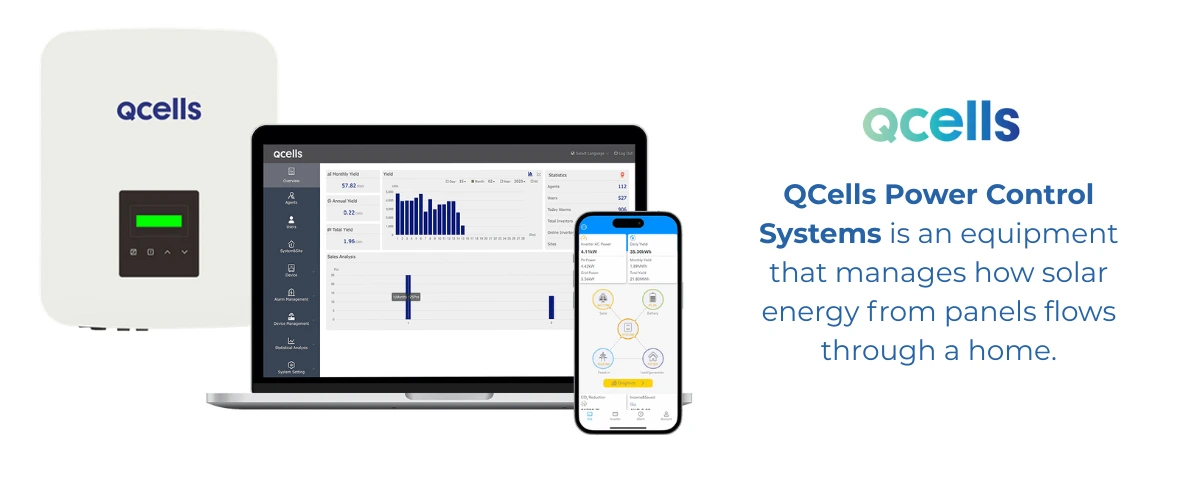
Once live, track your solar production and battery usage through your system's monitoring app. Any gap between expected and actual production can signal an issue worth addressing early — before it affects your annual True-Up settlement with PG&E.
Understanding your solar installation timeline in California also helps set realistic expectations from contract signing to first day of full production.
PG&E's PTO and PCS requirements aren't obstacles — they're safeguards that protect your investment, your neighbors, and the grid. But navigating them without experienced guidance leads to delays, frustration, and lost savings.
The difference between a system that sits idle for weeks and one that starts producing on day one comes down to who installs and manages the process. US Power's CSLB-licensed consultants handle PCS certification, interconnection applications, and PTO coordination — so you don't have to.
With American-made QCells panels, factory-direct pricing, and a 25-year comprehensive warranty, US Power gives SoCal homeowners the complete package: premium equipment, fast timelines, and the compliance expertise to get your system live without delays.


Most homeowners are shocked to learn their solar panels shut off during outages.

Build equity and save with Qcells solar ownership in SoCal. Secure your savings!
Your solar panels are working efficiently but is your California home keeping up?







¿Estás listo para ser dueño de tu poder? ¡Llámenos hoy mismo!
818-650-8010Contractor License #: 1144368

Derechos de autor © 2025 US POWER | Energía solar y techosUS Power - Axia by QCells. All Rights Reserved.
¡Obtenga una estimación solar instantánea usando el satélite!