

Get solar PTO faster in Southern California. Here's what to expect in 2026.
%20Cover.webp)
Your solar panels are on the roof. The installer has packed up and left. But your system is sitting completely dark — and your utility bill is still climbing.
This is the moment most homeowners don't see coming: Permission to Operate (PTO). It's the final utility approval that legally allows your solar system to connect to the grid and start generating power. Without it, your investment does nothing.
In Southern California, where SCE, LADWP, and SDG&E each run their own interconnection process, getting PTO wrong — or simply not understanding it — can cost you weeks of savings. This guide walks you through every step, so you know exactly what to expect and how to avoid the delays that trip up too many homeowners.
Permission to Operate is the official green light from your utility company — SCE, LADWP, or SDG&E — that allows your solar system to legally connect to the electrical grid.
Without PTO, your solar system cannot legally send electricity to the grid. It cannot participate in the Solar Billing Plan (the program that credits you for excess energy). And it cannot activate net metering or any export credit program that protects your return on investment.
Insurance coverage, equipment warranties, and the financial viability of your entire solar project often depend on receiving full PTO approval before activation. Turning on your system without it isn't just risky — it can void your coverage entirely.
When your utility reviews your PTO application, they're confirming three things: that your system is safe, that it matches the approved design on file, and that it won't disrupt the broader power grid. Any mismatch — even a minor one — triggers a rejection and restarts the clock.
The general flow is consistent across SCE, LADWP, and SDG&E, though each utility has its own quirks. Understanding how to get a solar permit in California is the foundation — because your permit approval is what the utility needs before they'll even open your PTO application.
Before installation begins, your solar company submits structural plans, electrical drawings, and equipment specifications to your local city or county building department. This is the permit stage, and it has nothing to do with your utility yet.
Once installation is complete, a city or county inspector verifies that the actual work matches the approved permit and meets all building and fire codes. This signed inspection approval is a required document for the next step.
Your installer submits the interconnection application to your utility. This package typically includes the signed inspection approval, a one-line electrical diagram, equipment specifications (inverter model, panel brand, battery if applicable), and a signed interconnection agreement.
For solar permitting clarity in Southern California, every document must match the installed system exactly. A single discrepancy — a different inverter model, a panel quantity change — can trigger a full rejection.
The utility's engineering team reviews your application and confirms the system won't adversely affect the grid. For some installations, they may require a utility-side field inspection or a meter upgrade before issuing PTO.
Once the utility approves everything, they issue the official PTO letter. Only then can your system be turned on, begin generating electricity, and export excess power back to the grid.
This is the question every homeowner asks — and the honest answer requires looking at what's actually happening in the region right now.
For solar-only systems with complete documentation, SCE's official target is 10 business days from receiving a clean application. LADWP and SDG&E follow a similar structure, with SDG&E often processing within one to two weeks when paperwork is in order.
The full picture, from permit submission to PTO activation, runs 6 to 16 weeks for most Southern California homeowners. That includes permit review (1–3 weeks), local inspection scheduling (a few days to 2 weeks after install), and utility review (2–6 weeks depending on system type and backlog). For a complete breakdown, see our guide to the solar installation timeline in California.
SCE's interconnection department is under significant strain. In early 2026, solar-only systems without batteries are averaging 4–6 weeks for PTO approval. Systems with battery storage are averaging 8–12 weeks — and complex installations have stretched to 16 weeks in some cases.
The utility is also being strict about documentation precision, rejecting applications for minor formatting discrepancies that were acceptable even a year ago. This is directly tied to increased grid safety scrutiny following California's massive solar adoption surge.
If you're adding a battery — and under NEM 3.0 in Southern California, solar batteries maximize your savings significantly — expect a longer PTO timeline.
Battery storage introduces bidirectional power flow, which requires additional engineering review from the utility. SCE must confirm that your battery's charge and discharge cycles won't destabilize the local grid. This involves a separate technical review layer that simply doesn't apply to solar-only installations.
The most common causes of extended PTO timelines include incomplete documentation submitted to the utility, a system installed that differs from the approved design, additions like battery storage or EV chargers not flagged upfront, and rare cases where a grid-upgrade is required. If you plan storage or EV integration, your installer needs to flag that from day one — not after permits are already in motion.
Homeowners who understand the process can meaningfully reduce their wait time. It starts with choosing the right installer, and it continues through proactive follow-up. Reading what to expect during solar installation before you sign anything will set your expectations at every stage.
Do not turn on your solar system before receiving written PTO from your utility. Activating early can void your equipment warranty, create insurance complications, and result in penalties under your interconnection agreement. The wait is frustrating — but it's non-negotiable.
Choosing the wrong installer is the single biggest factor behind avoidable PTO delays. Know the 5 red flags when choosing a solar company before you sign anything.
US Power's CSLB-licensed consultants have handled hundreds of interconnection applications across SCE, LADWP, and SDG&E territories. Clean, complete submissions — where every document matches every installed component — are what move through the utility queue fastest.
Unlike installers who submit and wait, US Power's team actively follows up with the utility, resolves deficiency notices quickly, and escalates when timelines slip without cause. With factory-direct QCells panels and 25-year comprehensive warranty coverage, every system is also built to pass inspection on the first visit — no revision requests, no resubmissions.
With 200+ five-star Google reviews and a 3–4 week installation timeline after permit approval, US Power consistently gets Southern California homeowners to PTO faster than the regional average.
PTO is not the finish line — it's the start of your billing relationship with your utility as a solar producer. Understanding this stage prevents billing confusion that catches many new solar homeowners off guard.
For new SCE customers who received PTO after April 14, 2023, you're enrolled in the Solar Billing Plan (SBP). After activation, SCE typically sets up your SBP billing within a few billing cycles. Your solar system management after PTO including how to read your export credits and track your annual settlement — is worth understanding before that first bill arrives.
Under the SBP, Energy Export Credits (EECs) are applied hourly based on the grid value of your exported electricity. These credits accumulate over your 12-month "Relevant Period." At the end of that period, any unused credits are forfeited — which is exactly why properly sizing your system matters from the start.
LADWP is a municipal utility and not subject to the same NEM 3.0 framework that governs SCE and SDG&E customers. LADWP customers typically benefit from more favorable net metering terms, making the post-PTO billing picture considerably brighter.
PTO is the final step — but it doesn't have to be the most stressful one. Homeowners who work with experienced, licensed installers and understand the process from day one consistently reach activation faster, with fewer delays and no unpleasant surprises.
In Southern California, where SCE rates keep rising and the interconnection queue keeps growing, the installer you choose and the documents they submit make all the difference. US Power's team handles the permits, inspections, utility applications, and PTO follow-up as a complete package — because getting you to PTO isn't just part of the job. It's the whole point.
Ready to go solar the right way? Schedule your free consultation and get a project timeline built around your home, your utility, and your savings goals.


Pasarse a la energía solar no tiene que tomar meses. Cronograma real con US Power.
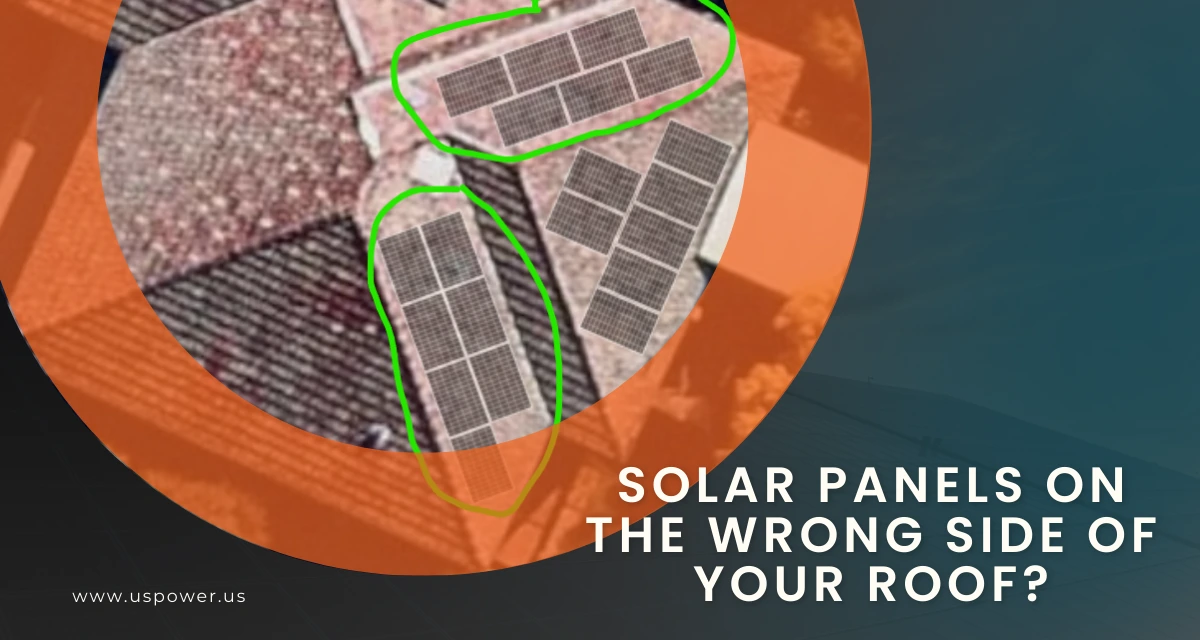
Your home solar panels aren't where you planned. Here's when that's actually fine.

Cut peak power costs in California with four smart ways to reduce demand charges.







¿Estás listo para ser dueño de tu poder? ¡Llámenos hoy mismo!
818-650-8010Número de licencia de contratista: 1144368

Derechos de autor © 2025 US POWER | Energía solar y techosUS Power - Axia by QCells. All Rights Reserved.
¡Obtenga una estimación solar instantánea usando el satélite!