

Solar changed more in 2025 than in any year before. Incentives shifted, technology improved, and California's grid rules rewrote the playbook for homeowners. Here's everything you need to know.
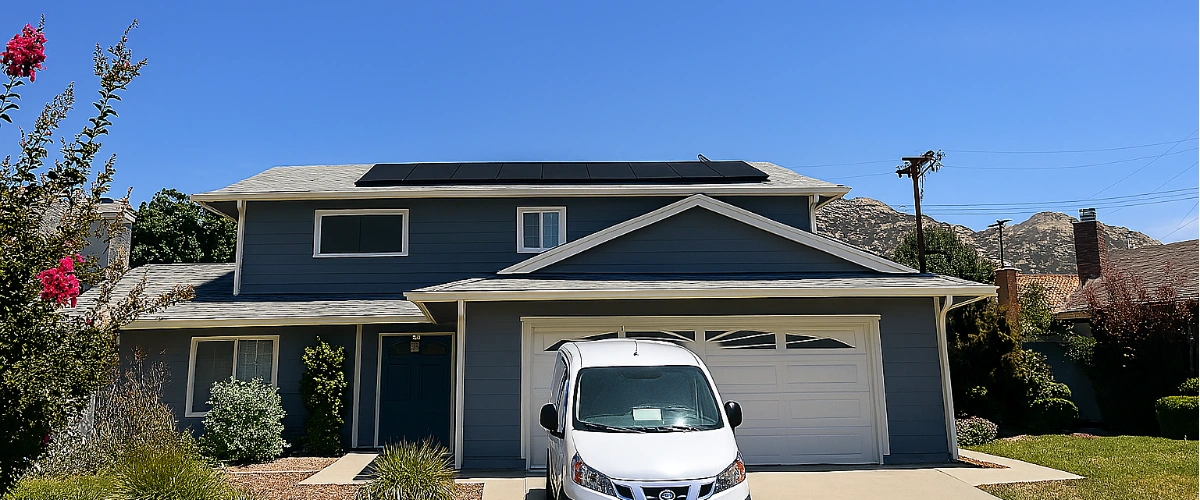
If you've been thinking about solar, 2025 was the year everything changed. Utility rates kept climbing. Net metering rules tightened. The federal tax credit expired. And the technology itself took a significant leap forward.
For California homeowners already paying some of the highest electricity rates in the nation, these shifts hit harder than anywhere else. But here's the truth: solar is still one of the smartest financial decisions you can make — you just need to understand what changed and how to navigate the new landscape.
This guide breaks down the 7 most important changes in the solar industry so you can move forward with confidence.
California homeowners are now paying between $0.31 and $0.50 per kilowatt-hour depending on their utility and rate plan. That's nearly double the national average — and it's not slowing down. The CPUC has projected 6–7% average annual rate increases through at least 2028 for PG&E, SCE, and SDG&E customers.
The math is simple: every kilowatt-hour your solar panels produce is one you're not buying from the grid at peak prices. That gap between what you pay the utility and what your solar costs you is where your savings live.
Beyond the rate per kWh, utilities have introduced new fixed monthly charges for solar customers. These base service charges appear regardless of how much or how little grid power you use. Understanding why electricity bills keep rising in California is the first step to building a solar strategy that actually addresses the problem.
This is the single biggest policy change affecting California homeowners today. Under NEM 3.0 (the Net Billing Tariff), the credits you earn for sending excess solar power back to the grid dropped by roughly 75–85% compared to the old NEM 2.0 rules.
Under the old system, you exported power during the day and got close to full retail credit. Now, that midday export earns only about $0.05–$0.08 per kWh — while you're still paying $0.40+ per kWh when you pull from the grid in the evening.
The NEM 3.0 shift means a solar panel system without battery storage is far less effective than it used to be. Panels generate most of their power from 10 AM to 3 PM — exactly when electricity rates are lowest and grid export credits are smallest. Understanding how NEM 3.0 affects your solar savings is now essential reading before signing any solar contract.
The fix for NEM 3.0 is straightforward: store your midday solar production in a battery and discharge it during the expensive 4 PM–9 PM peak window. Instead of exporting cheap power and buying expensive power, you're using your own stored energy when rates are highest.
This is why California's battery attachment rate hit nearly 67% in 2025 — one of the highest in the nation. Homeowners who understand solar batteries and how they maximize savings are getting dramatically better financial results than those with solar-only systems.
A properly sized solar-plus-battery system can offset the vast majority of your peak-hour grid usage. The QCells Q.HOME CORE battery system, for example, is designed specifically to integrate with high-efficiency panels and discharge strategically during California's most expensive rate hours.
The 30% Residential Clean Energy Credit (Section 25D) officially expired on December 31, 2025, for homeowners who purchase or finance their solar systems directly. If your system was installed and placed in service before that date, you may still claim it on your 2025 tax return. New installs in 2026 do not qualify.
This is a significant shift in the economics of going solar. For most of the past decade, that 30% credit made solar dramatically more affordable for California homeowners. The math now looks different — but it hasn't made solar a bad investment.
California's electricity rates are high enough that solar payback periods remain competitive even without the federal credit. With rates averaging $0.35+ per kWh and projected to keep rising, a properly designed system still delivers strong long-term ROI. The property tax exclusion also remains intact — solar adds value to your home without triggering a reassessment.
High-efficiency panel technology improved significantly in 2025. Bifacial panels — which capture sunlight from both front and back surfaces — moved from niche to mainstream in residential installations. Perovskite research continued to advance, with commercial applications becoming more feasible for the near future.
More importantly for California homeowners, American-made panels became a stronger value proposition. Why QCells is the smartest panel choice comes down to performance, warranty depth, and supply chain reliability — factors that matter even more now that pricing dynamics have shifted.
Efficiency ratings above 22% are now standard for premium residential panels. Temperature coefficient matters in hot Southern California summers — lower is better. And warranty terms have become a key differentiator, with top-tier manufacturers offering 25-year product, performance, and workmanship guarantees.
With the residential ITC gone, the financing decision became more complex. Homeowners who purchase outright pay full price but own the system completely. Those who go through a third-party ownership arrangement (lease or PPA) can still benefit from a version of the tax credit, because the commercial credit passed through by the system owner remains available through 2027.
Understanding the decision to buy vs. lease your solar panels is more critical than ever. Ownership gives you full equity, no restrictions, and better long-term returns. Leases offer lower upfront cost but come with contractual obligations and less flexibility when you sell your home.
In California, cash purchase and solar loans remain popular for homeowners who plan to stay in their home long-term. PACE financing (Property Assessed Clean Energy) allows 100% financing through your property tax bill with no money down — a useful option for homeowners who want ownership without a large upfront payment.
The 2025 solar market separated strong operators from weak ones. Several large residential installers entered financial distress after scaling too fast without operational discipline. The contractors who thrived were those with accurate proposals, reliable timelines, and clean installation records.
For homeowners, this means vetting your installer matters more than ever. Understanding the solar installation timeline for California homeowners — from signed contract to Permission to Operate (PTO) — helps you set realistic expectations and spot companies making promises they can't keep.
With a well-organized installer, the process from consultation to PTO typically runs 3–6 weeks after utility approval. That includes design, permitting, installation, inspection, and interconnection. Companies that quote dramatically shorter or longer timelines deserve extra scrutiny. Learning how to choose a solar company in Los Angeles gives you the framework to compare companies on the factors that actually matter.
The solar industry's 2025 transformation didn't make solar less valuable for California homeowners — it made choosing the right system and the right company more important. NEM 3.0 rewards homeowners who add battery storage. Rising rates reward anyone who reduces grid dependence. And a market shakeout rewards homeowners who work with established, licensed installers over high-pressure newcomers.
US Power's CSLB-licensed consultants help you navigate every one of these changes with transparent pricing, factory-direct QCells panels, and a 3–4 week installation timeline. With 200+ five-star Google reviews and a 25-year comprehensive warranty, we're built for the solar landscape of 2026 — not 2022.
The best time to act is before your next bill arrives.


Learn and choose the right car and reduce fuel and electricity costs in 2025.
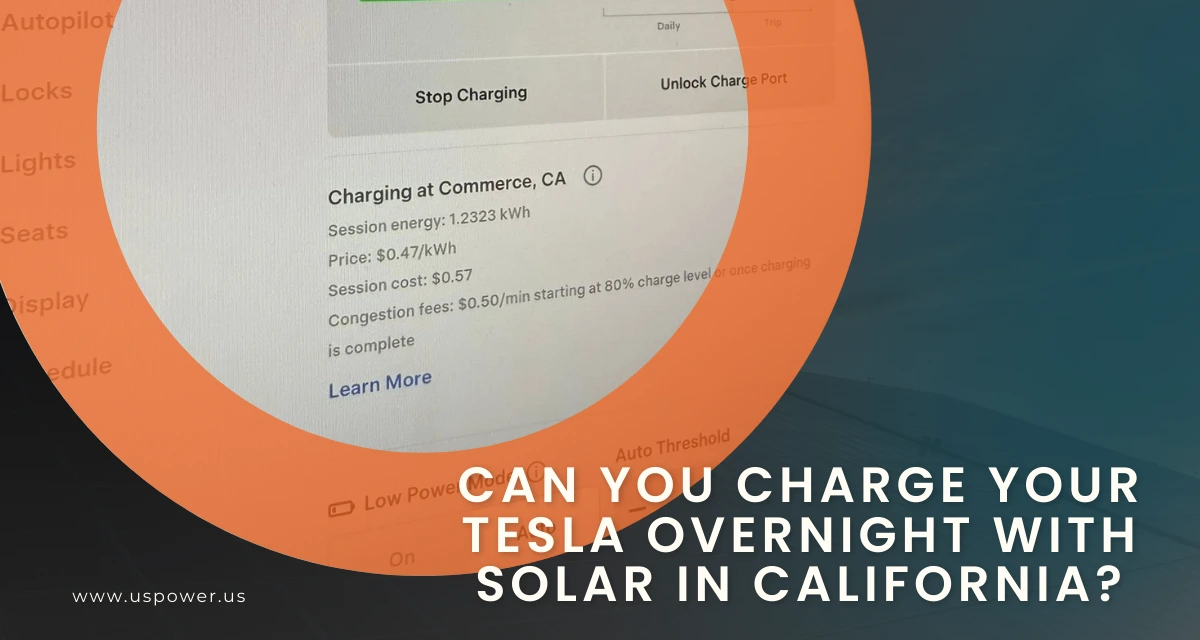
Tesla charging, Supercharging, and solar energy savings made easy for homeowners.
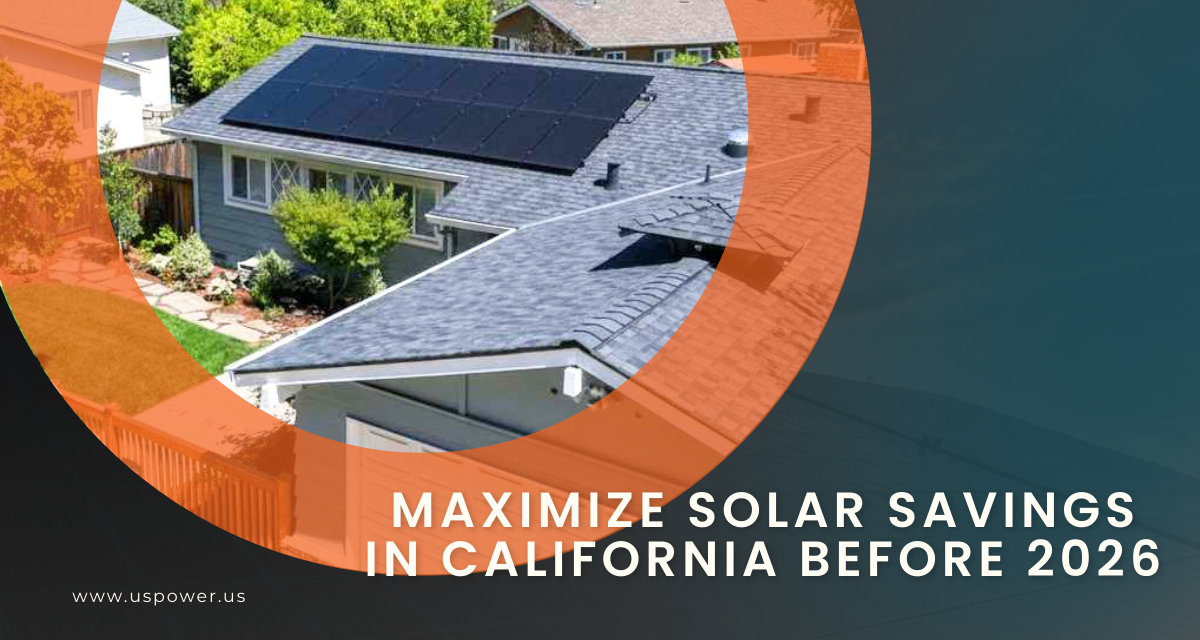
Stay ahead of the energy costs with 2025 solar trends in Southern California.







Copyright © 2026 US Power - Axia by QCells. All Rights Reserved.
Get an instant solar estimate using satellite!