
Southern California Edison customers face a 12.9% electricity rate increase in 2026, adding $324-$372 annually to the average household bill. Discover how solar and battery storage offer long-term protection against endless rate hikes. Hook: SCE just announced a 12.9% rate hike for 2026—here's what it means for your wallet.
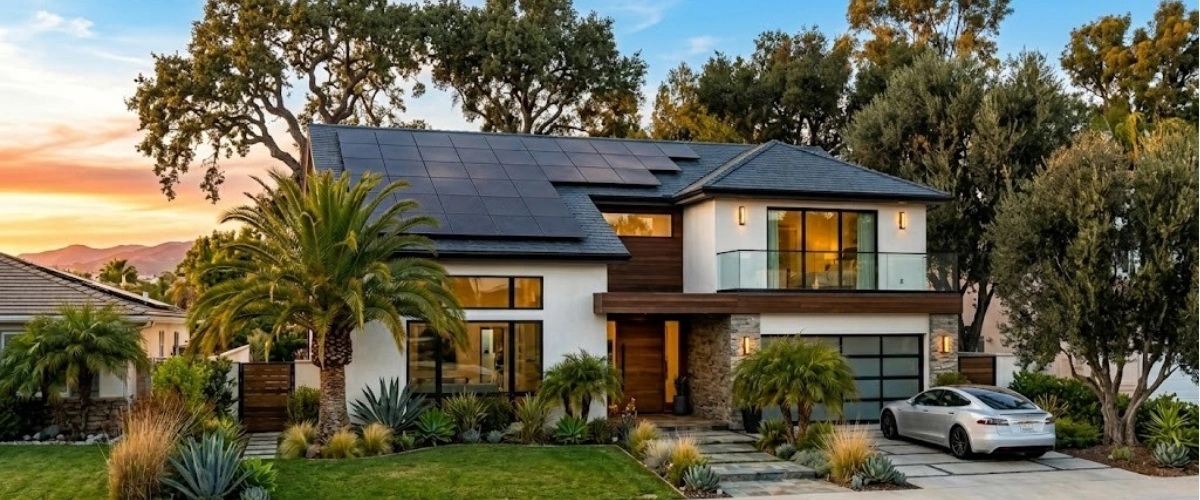
SCE customers face a 12.9% rate increase in 2026, which adds $324 to $372 per year to the average household bill. Solar and battery storage can help protect you from ongoing rate hikes.
Southern California Edison (SCE) customers are about to feel another significant hit to their wallets. The utility has filed for a 12.9% electricity rate increase in 2026, continuing a decade-long pattern of annual price hikes that have nearly doubled what homeowners pay for power. For the average SCE household, this translates to an extra $27-$31 per month—or $324-$372 per year.
If you're already struggling with high electric bills, this news probably feels frustrating and inevitable. But there's a better path forward than simply accepting these endless increases. Solar energy, especially when paired with battery storage, is becoming the only reliable shield against California's relentless utility rate hikes.
Southern California Edison's 12.9% rate increase isn't an isolated event—it's part of a long-term trend driven by three major factors.
California utilities are investing billions in wildfire prevention, including undergrounding power lines, upgrading aging infrastructure, and implementing advanced grid monitoring systems. While these improvements are necessary for safety and reliability, SCE passes these costs directly to ratepayers through annual rate increases.
The 2026 hike includes funding for continued grid hardening and vegetation management programs designed to reduce wildfire risk in high-threat areas.
Even with California's push toward renewable energy, utilities still purchase electricity from the broader grid to meet demand. Energy market volatility—driven by fuel costs, supply chain issues, and increased demand—has pushed procurement costs higher. Those increases show up on your monthly bill.
This is one reason why electricity bills are so high in Southern California—utilities must balance renewable mandates with grid reliability, and both come at a cost.
California's ambitious clean energy goals require utilities to meet specific renewable energy targets and implement new safety programs. These regulatory requirements increase operational costs, which SCE recovers through rate adjustments approved by the California Public Utilities Commission (CPUC).
The result? Annual rate increases have become the norm, not the exception.
A 12.9% increase might sound abstract, but let's break down what it means for real households.
Current average SCE bill (2025): $210-$240/month
After 12.9% increase: $237-$271/month
That's an extra $27-$31 per month, or $324-$372 per year, for the average household. For high-usage homes—common in Southern California due to air conditioning, pool equipment, and electric vehicle charging—the increase can exceed $50 per month.
Here's what many homeowners don't realize: SCE has increased rates every single year for over a decade. A household that paid $150/month in 2015 now pays $270-$300/month for the same electricity usage. That's a 70-100% increase in just 10 years.
The 2026 rate hike is just another chapter in this upward climb—and there's no sign it will slow down.
SCE's Time-of-Use rate structure makes the situation even more challenging. Under TOU pricing, electricity costs significantly more during peak hours (typically 4-9 PM on weekdays). When base rates increase by 12.9%, peak-hour rates increase proportionally—meaning your most expensive electricity becomes even more expensive.
If you're running your air conditioner, charging your EV, or cooking dinner during peak hours, you're paying premium prices on top of the rate hike.
As utility rates rise, the value of solar energy increases along with them. Here's why solar is becoming the smartest financial move for SCE customers.
The higher SCE raises rates, the faster your solar system pays for itself. Solar panels generate electricity during the day when the California sun is strongest, directly offsetting the power you'd otherwise buy from SCE at increasingly expensive rates.
For many homeowners, solar can eliminate 70-90% of electricity costs—and those savings grow larger with every rate increase.
Under SCE's Time-of-Use pricing, peak electricity can cost 2-3 times more than off-peak power. A solar battery system stores the clean energy your panels generate during the day and releases it during expensive peak hours when you need it most.
This is why solar batteries can maximize your savings under California's current rate structure. Instead of buying expensive peak-hour electricity from SCE, you use your own stored solar power.
Here's the fundamental difference between SCE and solar:
SCE: Unpredictable annual rate increases, volatile TOU pricing, no control over costs
Solar: Fixed monthly payment (if financed) or zero ongoing costs (if purchased), predictable energy expenses for 25+ years
With solar lease options available, many homeowners can start saving immediately with $0 down and guaranteed performance—no tax credit needed.
If you already have solar, you're in a better position than most—but the 2026 rate increase still affects you.
California's NEM 3.0 billing changes significantly reduced the value of excess solar electricity sent back to the grid. Under the new structure, export credits are worth much less than what you pay for grid electricity.
This makes battery storage more important than ever. Instead of exporting low-value solar power to SCE during the day, a battery lets you store it and use it during high-value peak hours.
Even under NEM 3.0, solar homeowners win when rates increase. Why? Because you're buying less electricity from SCE. Every kilowatt-hour your solar system produces is worth whatever SCE would have charged you for that power.
When SCE raises rates by 12.9%, the value of your solar-generated electricity increases by 12.9%. Your system didn't get more expensive—SCE just made your solar investment more valuable.
If you have solar without a battery, the 2026 rate increase is a perfect time to reconsider. Adding battery storage allows you to:
Many homeowners are discovering that batteries are worth it for solar in California—especially as rate hikes continue and grid reliability concerns grow.
If you're tired of watching your electric bill climb year after year, here are the smartest steps to take before SCE's rate hike takes effect.
Installing solar now means you'll avoid the 2026 rate hike and all future increases. The electricity your solar panels produce locks in today's investment cost—while SCE customers continue paying more every year.
With how much money solar panels save calculators available, you can see your exact savings potential based on your current SCE bill and usage patterns.
While solar alone delivers significant savings, adding battery storage from day one optimizes your system for California's current rate structure. A battery allows you to:
You don't need $20,000-$30,000 in cash to go solar. Modern financing options include:
Each option has trade-offs, so it's worth exploring solar lease options versus purchasing to find what works best for your financial situation.
Let's run the real numbers on what SCE's rate increase costs you versus what solar can save you.
Average SCE bill: $240/month ($2,880/year)
After 12.9% increase: $271/month ($3,252/year)
Extra cost in 2026: $372/year
10-year cost at 3% annual increases: $37,500+
That's $37,500+ sent to SCE over the next decade—with no equity, no ownership, and no protection against future increases.
Typical 7kW solar system cost: $21,000 (before incentives)
Estimated monthly savings: $180-$220
Payback period: 5-7 years
25-year savings: $60,000-$80,000+
With solar, you're investing in an asset that pays dividends for decades. Every rate increase makes your decision look smarter.
Adding a battery increases upfront costs by $10,000-$15,000 (before incentives), but it dramatically increases savings by:
For SCE customers facing Time-of-Use rates and annual increases, battery storage often pays for itself in 7-10 years—while delivering value for 15-20+ years.
SCE's 12.9% rate increase in 2026 is just the latest reminder that California utility costs aren't slowing down. The pattern is clear: rates will continue climbing year after year, driven by infrastructure investments, regulatory mandates, and grid modernization costs.
You can accept these endless increases and watch your electric bill grow—or you can take control with solar energy.
Solar panels and battery storage offer predictable, stable energy costs that protect you from future rate hikes while delivering long-term savings. Financing options that require $0 down, there's never been a better time to make the switch.
Stop paying SCE's rising rates. Start investing in your own clean energy future.


US-made panels, a matching battery and a company built to last. Here is the case.
You don't need to power a crypto mine—just your home and your daily life routine.

QCells’ growth brings more options and efficiency for homeowners going solar.








Copyright © 2026 US Power - Axia by QCells. All Rights Reserved.
Get an instant solar estimate using satellite!