

Los clientes de Southern California Edison se enfrentan a un aumento de las tarifas eléctricas del 12.9% en 2026, lo que añadirá entre 324 y 372 dólares anuales a la factura media de los hogares. Descubra cómo la energía solar y el almacenamiento en baterías ofrecen una protección a largo plazo contra los interminables aumentos de tarifas. Gancho: SCE acaba de anunciar una subida de tarifas del 12.9% para 2026; esto es lo que significa para su bolsillo.
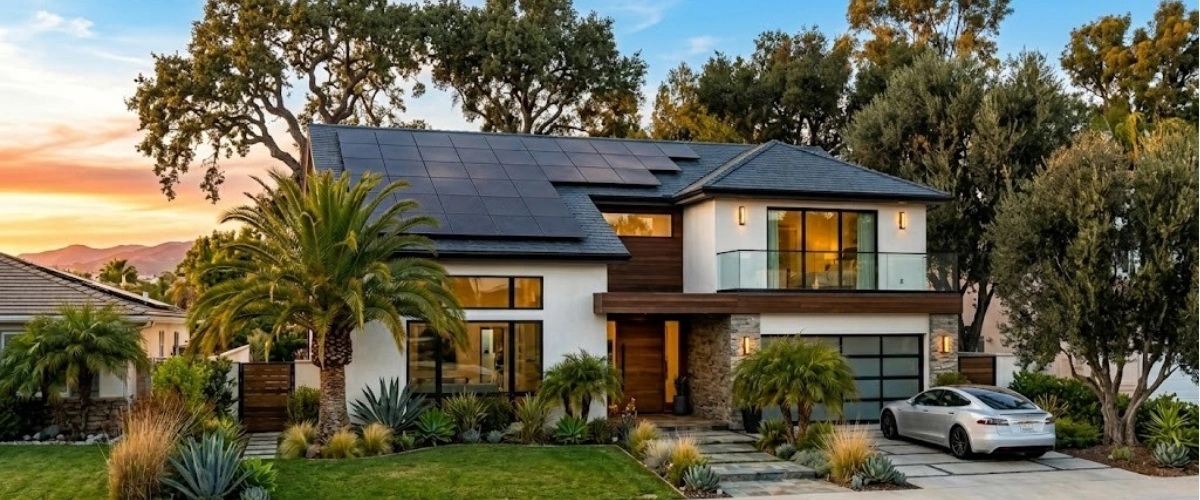
Los clientes de SCE enfrentan un aumento de tarifas del 12.9% en 2026, lo que añade entre $324 y $372 anuales a la factura promedio de los hogares. La energía solar y el almacenamiento en baterías pueden ayudarle a protegerse de los constantes aumentos de tarifas.
Los clientes de Southern California Edison (SCE) están a punto de sufrir otro golpe importante en sus bolsillos. La empresa de servicios públicos ha solicitado un aumento de las tarifas eléctricas del 12.9% para 2026, continuando con una tendencia de una década de subidas anuales de precios que casi han duplicado lo que los propietarios pagan por la energía. Para el hogar promedio de SCE, esto se traduce en un extra de 27 a 31 dólares al mes, o de 324 a 372 dólares al año.
Si ya le cuesta pagar las altas facturas de electricidad, esta noticia probablemente le resulte frustrante e inevitable. Pero hay un camino mejor que simplemente aceptar estos aumentos interminables. La energía solar, especialmente cuando se combina con el almacenamiento en baterías, se está convirtiendo en el único escudo fiable contra las incesantes subidas de tarifas de las empresas de servicios públicos de California.
El aumento de tarifas del 12.9% de Southern California Edison no es un hecho aislado; es parte de una tendencia a largo plazo impulsada por tres factores principales.
Las empresas de servicios públicos de California están invirtiendo miles de millones en la prevención de incendios forestales, lo que incluye soterrar líneas eléctricas, modernizar infraestructuras antiguas e implementar sistemas avanzados de monitorización de la red. Aunque estas mejoras son necesarias para la seguridad y la fiabilidad, SCE traslada estos costes directamente a los contribuyentes mediante aumentos anuales de las tarifas.
La subida de 2026 incluye financiación para continuar con los programas de refuerzo de la red y gestión de la vegetación diseñados para reducir el riesgo de incendios forestales en zonas de alta amenaza.
Incluso con el impulso de California hacia la energía renovable, las empresas de servicios públicos siguen comprando electricidad de la red general para satisfacer la demanda. La volatilidad del mercado energético, impulsada por los costes del combustible, los problemas de la cadena de suministro y el aumento de la demanda, ha hecho subir los costes de adquisición. Esos aumentos se reflejan en su factura mensual.
Esta es una de las razones por las que las facturas de electricidad son tan altas en el sur de California—las empresas de servicios públicos deben equilibrar los mandatos de energía renovable con la fiabilidad de la red, y ambos tienen un coste.
Los ambiciosos objetivos de energía limpia de California exigen que las empresas de servicios públicos cumplan objetivos específicos de energía renovable e implementen nuevos programas de seguridad. Estos requisitos normativos aumentan los costes operativos, que SCE recupera mediante ajustes de tarifas aprobados por la Comisión de Servicios Públicos de California (CPUC).
¿El resultado? Los aumentos anuales de tarifas se han convertido en la norma, no en la excepción.
Un aumento del 12.9% puede parecer abstracto, pero analicemos lo que significa para los hogares reales.
Factura promedio actual de SCE (2025): $210-$240/mes
Tras el aumento del 12.9%: $237-$271/mes
Esto supone un extra de $27-$31 al mes, o $324-$372 al año, para el hogar promedio. En viviendas con un alto consumo —común en el sur de California debido al aire acondicionado, equipos de piscina y la carga de vehículos eléctricos—, el aumento puede superar los $50 al mes.
Esto es lo que muchos propietarios no tienen en cuenta: SCE ha subido las tarifas cada año durante más de una década. Un hogar que pagaba $150 al mes en 2015, ahora paga entre $270 y $300 al mes por el mismo consumo eléctrico. Eso representa un aumento del 70-100% en solo 10 años.
La subida de tarifas de 2026 es solo un capítulo más en esta escalada, y no hay señales de que vaya a frenarse.
La estructura de tarifas por tiempo de uso (TOU) de SCE hace que la situación sea aún más difícil. Con los precios TOU, la electricidad cuesta significativamente más durante las horas punta (normalmente de 4 a 9 p. m. entre semana). Cuando las tarifas base suben un 12.9%, las tarifas en horas punta aumentan proporcionalmente, lo que significa que su electricidad más cara se vuelve aún más costosa.
Si utiliza el aire acondicionado, carga su vehículo eléctrico o cocina durante las horas punta, está pagando precios premium además del aumento de la tarifa.
A medida que suben las tarifas de las empresas eléctricas, el valor de la energía solar aumenta con ellas. He aquí por qué la energía solar se está convirtiendo en la decisión financiera más inteligente para los clientes de SCE.
Cuanto más sube SCE las tarifas, más rápido se amortiza su sistema solar. Los paneles solares generan electricidad durante el día, cuando el sol de California es más fuerte, compensando directamente la energía que, de otro modo, compraría a SCE a precios cada vez más elevados.
Para muchos propietarios, la energía solar puede eliminar entre el 70% y el 90% de los costes de electricidad, y esos ahorros crecen con cada aumento de tarifa.
Bajo la tarificación por tiempo de uso de SCE, la electricidad en horas punta puede costar de 2 a 3 veces más que la energía fuera de esas horas. Un sistema de batería solar almacena la energía limpia que generan sus paneles durante el día y la libera durante las costosas horas punta, cuando más la necesita.
Es por esto que las baterías solares pueden maximizar sus ahorros bajo la estructura tarifaria actual de California. En lugar de comprar electricidad cara a SCE durante las horas punta, usted utiliza su propia energía solar almacenada.
Esta es la diferencia fundamental entre SCE y la energía solar:
SCE: Aumentos anuales impredecibles, precios TOU volátiles, sin control sobre los costes
Solar: Pago mensual fijo (si se financia) o cero costes continuos (si se compra), gastos de energía predecibles durante más de 25 años
Con opciones de arrendamiento solar disponibles, muchos propietarios pueden empezar a ahorrar de inmediato con $0 de pago inicial y rendimiento garantizado, sin necesidad de créditos fiscales.
Si ya cuenta con energía solar, se encuentra en una mejor posición que la mayoría, pero el aumento de tarifas de 2026 sigue afectándole.
Los cambios en la facturación de NEM 3.0 en California redujeron significativamente el valor del exceso de electricidad solar enviado a la red. Bajo la nueva estructura, los créditos por exportación valen mucho menos de lo que usted paga por la electricidad de la red.
Esto hace que el almacenamiento en baterías sea más importante que nunca. En lugar de exportar energía solar de bajo valor a SCE durante el día, una batería le permite almacenarla y utilizarla durante las horas pico de mayor costo.
Incluso bajo NEM 3.0, los propietarios con energía solar salen ganando cuando las tarifas aumentan. ¿Por qué? Porque usted compra menos electricidad a SCE. Cada kilovatio-hora que produce su sistema solar vale lo que SCE le habría cobrado por esa energía.
Cuando SCE aumenta las tarifas un 12.9%, el valor de la electricidad generada por su sistema solar aumenta un 12.9%. Su sistema no se volvió más caro; SCE simplemente hizo que su inversión solar fuera más valiosa.
Si tiene energía solar sin batería, el aumento de tarifas de 2026 es el momento perfecto para reconsiderarlo. Agregar almacenamiento en baterías le permite:
Muchos propietarios están descubriendo que las baterías valen la pena para la energía solar en California, especialmente a medida que los aumentos de tarifas continúan y crecen las preocupaciones sobre la confiabilidad de la red.
Si está cansado de ver cómo su factura de electricidad sube año tras año, aquí tiene los pasos más inteligentes a seguir antes de que el aumento de tarifas de SCE entre en vigor.
Instalar energía solar ahora significa que evitará el aumento de tarifas de 2026 y todos los incrementos futuros. La electricidad que producen sus paneles solares fija el costo de inversión de hoy, mientras que los clientes de SCE siguen pagando más cada año.
Con calculadoras de cuánto dinero ahorran los paneles solares disponibles, puede ver su potencial de ahorro exacto basado en su factura actual de SCE y sus patrones de consumo.
Aunque la energía solar por sí sola genera ahorros significativos, agregar almacenamiento en baterías desde el primer día optimiza su sistema para la estructura tarifaria actual de California. Una batería le permite:
No necesita entre 20.000 y 30.000 dólares en efectivo para pasarse a la energía solar. Las opciones de financiación modernas incluyen:
Cada opción tiene sus pros y sus contras, por lo que merece la pena explorar las opciones de arrendamiento solar frente a la compra para encontrar la que mejor se adapte a su situación financiera.
Analicemos las cifras reales de lo que le cuesta el aumento de tarifas de SCE frente a lo que puede ahorrar con la energía solar.
Factura media de SCE: 240 $/mes (2.880 $/año)
Tras el aumento del 12,9%: 271 $/mes (3.252 $/año)
Coste adicional en 2026: 372 $/año
Coste a 10 años con aumentos anuales del 3%: más de 37.500 $
Eso supone más de 37.500 dólares enviados a SCE durante la próxima década, sin capital, sin propiedad y sin protección contra futuros aumentos.
Coste típico de un sistema solar de 7 kW: 21.000 $ (antes de incentivos)
Ahorro mensual estimado: 180-220 $
Periodo de recuperación: 5-7 años
Ahorro a 25 años: más de 60.000-80.000 $
Con la energía solar, usted invierte en un activo que genera dividendos durante décadas. Cada aumento de tarifa hace que su decisión parezca más inteligente.
Añadir una batería aumenta los costes iniciales entre 10.000 y 15.000 dólares (antes de incentivos), pero aumenta drásticamente los ahorros al:
Para los clientes de SCE que se enfrentan a tarifas por tiempo de uso y aumentos anuales, el almacenamiento en baterías suele amortizarse en 7-10 años, a la vez que ofrece valor durante más de 15-20 años.
El aumento de tarifas del 12,9% de SCE en 2026 es solo el último recordatorio de que los costes de los servicios públicos en California no se ralentizan. El patrón es claro: las tarifas seguirán subiendo año tras año, impulsadas por las inversiones en infraestructuras, los mandatos normativos y los costes de modernización de la red.
Puede aceptar estos aumentos interminables y ver cómo crece su factura de la luz, o puede tomar el control con la energía solar.
Los paneles solares y el almacenamiento en baterías ofrecen costos de energía estables y predecibles que le protegen de futuras subidas de tarifas, a la vez que generan ahorros a largo plazo. Con opciones de financiación sin pago inicial, nunca ha habido un mejor momento para hacer el cambio.
Deje de pagar las crecientes tarifas de SCE. Empiece a invertir en su propio futuro de energía limpia.


Distribuidores Qcells, proveedores en LA y cómo evitar sobrecostes en tus paneles.
Con US Power, obtienes 5.0 estrellas apoyando a los propietarios en todo momento.
Comparamos cinco paneles de 2026 en eficiencia, calor y garantía. Esta es la opción.







¿Listo para tomar el control de tu energía? ¡Llámanos hoy!
818-650-8010Licencia de contratista n.º: 1144368
Copyright © 2026 US Power - Axia by QCells. Todos los derechos reservados.
¡Obtenga un presupuesto solar al instante mediante satélite!