
¿Planea construir una ADU en California? El Título 24 es el código de eficiencia energética del estado y se aplica a todas las ADU nuevas, ya sea que construya desde cero o convierta un garaje. Si omite un solo requisito, su permiso será rechazado. Esta guía detalla exactamente lo que exige el código del Título 24 de 2025 (en vigor desde el 1 de enero de 2026): paneles solares, calentadores de agua con bomba de calor, aislamiento, pruebas HERS y más, para que su proyecto de ADU se mantenga dentro del plazo y el presupuesto.
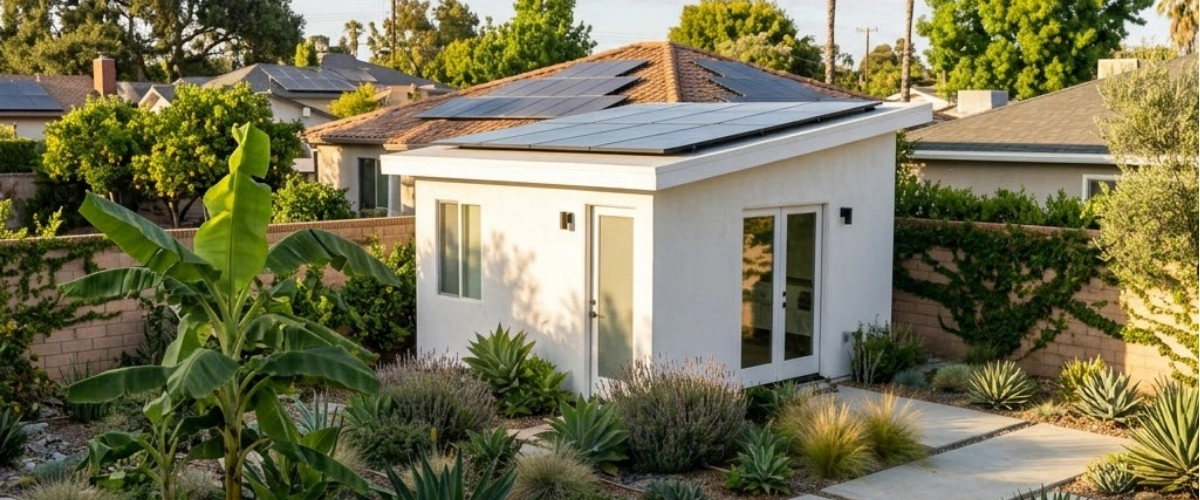
El Título 24 es el código de eficiencia energética de California y se aplica a toda nueva ADU. El código de 2025, vigente a partir del 1 de enero de 2026, incluye requisitos como los paneles solares. Si falta alguno, su permiso podría ser rechazado.
Ya ha investigado. Ya ha elegido el diseño de su ADU. Ahora su contratista menciona un término que ha estado escuchando desde el primer día: Título 24. Y, de repente, lo que parecía un proyecto sencillo en el patio trasero se ha vuelto mucho más complicado.
La realidad es esta: el cumplimiento del Título 24 no es opcional en California. Es una parte obligatoria de toda solicitud de permiso para una Unidad de Vivienda Accesoria (ADU). Si omite un requisito, su permiso será rechazado. Si se da cuenta tarde durante la construcción, se enfrentará a rediseños costosos, retrasos y un Certificado de Ocupación que nunca llega.
Esta guía detalla exactamente lo que el Título 24 exige para las ADU bajo el ciclo de código de 2025, vigente a partir del 1 de enero de 2026, en un lenguaje sencillo y sin tecnicismos. Al final, sabrá qué es obligatorio, qué está exento y cómo avanzar con confianza.
El Título 24 se refiere al Código de Normas de Construcción de California, un conjunto integral de regulaciones que rige cómo se diseñan y construyen los edificios en todo el estado. Para los proyectos de Unidades de Vivienda Accesorias, la sección más crítica es la Parte 6: Normas de Eficiencia Energética de los Edificios, desarrollada por la Comisión de Energía de California (CEC) y actualizada cada tres años.
La CEC adoptó el ciclo de código de 2025 en septiembre de 2024 y entró en vigor oficialmente el 1 de enero de 2026. Si presentó su permiso antes de esa fecha, se aplican las normas de 2022. Cualquier permiso presentado a partir del 1 de enero de 2026 debe cumplir con los nuevos requisitos de 2025, que es la versión que cubre esta guía.
El ciclo del Título 24 de 2025 introdujo cambios que afectan directamente a los proyectos del Título 24 en California:
Si su arquitecto o constructor sigue haciendo referencia al código de 2022, es una señal de alerta que debe señalar de inmediato.
El Título 24 se aplica a prácticamente todos los tipos de ADU, pero el nivel de cumplimiento varía:
Entender en qué categoría cae su Unidad de Vivienda Accesoria es el primer paso, y determina directamente su obligación.
Independientemente de si su unidad de vivienda accesoria (ADU) tiene 500 o 1,200 pies cuadrados, el Título 24 establece estándares mínimos para cada sistema de consumo energético del edificio. No son sugerencias, sino requisitos estrictos vinculados a la aprobación de su permiso.
California se divide en 16 zonas climáticas y los requisitos de aislamiento varían significativamente entre ellas. Un propietario en San Diego (zona climática 7) enfrenta requisitos de valor R distintos a los de alguien en Sacramento (zona climática 12) o Fresno (zona climática 13).
A nivel general, las paredes exteriores requieren valores R específicos según el tipo de estructura, los requisitos de aislamiento para techos y cielorrasos son los más estrictos debido a la ganancia de calor en verano, y los pisos sobre espacios no acondicionados, como los espacios de acceso (crawl spaces), requieren su propio cumplimiento de valor R. Su informe energético del Título 24 identificará los valores exactos para la zona climática de su propiedad.
Todas las ventanas y puertas de vidrio de su unidad de vivienda accesoria deben cumplir con los umbrales de rendimiento para dos métricas: factor U (qué tan bien resiste la ventana la transferencia de calor) y coeficiente de ganancia de calor solar o SHGC (cuánta radiación solar atraviesa el vidrio). Los números más bajos indican un mejor rendimiento. El código de 2025 endureció estos umbrales en comparación con el ciclo de 2022, especialmente en las zonas climáticas interiores más cálidas.
Los equipos de calefacción y refrigeración deben cumplir con índices mínimos de eficiencia: SEER para aires acondicionados y AFUE para hornos. Más allá de las clasificaciones de los equipos, los conductos deben estar correctamente aislados y sellados para evitar la pérdida de energía. El código de 2025 promueve agresivamente la adopción de bombas de calor, con el objetivo de que California alcance las 500,000 instalaciones de este tipo en los primeros tres años de implementación.
Este es uno de los cambios más significativos en el código de 2025. Para las nuevas ADU independientes, los calentadores de agua con bomba de calor son ahora la base prescriptiva de cumplimiento, reemplazando a los calentadores de agua tradicionales a gas o eléctricos estándar. Las ADU de menos de 500 pies cuadrados pueden calificar para una excepción con un calentador eléctrico sin tanque. Para el resto, planifique desde el principio la instalación de un calentador de agua con bomba de calor.
El Título 24 exige iluminación LED de alta eficacia en toda su ADU, a menudo combinada con sensores de ocupación o controles de luz natural en áreas específicas. Para la ventilación, se requiere un sistema de ventilación mecánica para toda la casa, diseñado generalmente para cumplir con las tasas de flujo de aire de la norma ASHRAE 62.2. Las campanas extractoras de cocina también deben cumplir con requisitos de rendimiento y pruebas.
Este mandato es el requisito que más sorprende a los propietarios de ADU, y es el que genera más retrasos cuando se descubre tarde. Comprender los requisitos del Título 24 de California desde el principio evita rediseños costosos en el futuro.
Bajo los estándares del Título 24 de 2025, las ADU independientes de nueva construcción generalmente deben incluir un sistema solar fotovoltaico como parte de la solicitud de permiso. El mandato entró en vigor originalmente para viviendas nuevas en 2020, se extendió formalmente a las ADU en 2023 bajo la revisión del código de 2022 y se ha reforzado en el ciclo de 2025.
El tamaño del sistema requerido se calcula utilizando la Ecuación 150.1-C, que toma en cuenta el área de piso acondicionada de su ADU y su zona climática. La base general es de aproximadamente 3 vatios por pie cuadrado de espacio acondicionado, aunque esto puede variar.
No todas las situaciones bajo el Título 24 de California activan el mandato. Existen dos exenciones clave:
Exención 1: Si la fórmula de dimensionamiento del Título 24 genera un requisito inferior a 1.8 kW-dc para su ADU y zona climática específicas, el requisito del Título 24 se elimina automáticamente. Esta es la exención que se aplica con mayor frecuencia en California.
Exención 2: Si su techo tiene acceso limitado, mucha sombra o no es estructuralmente adecuado para paneles, su jurisdicción podría otorgarle una exención.
Las conversiones de garajes, sótanos y las ADU interiores se clasifican como reformas —no como obra nueva— y no están sujetas al mandato del Título 24. Lo mismo se aplica a las ADU adosadas que se consideran ampliaciones de la vivienda existente.
Si un sistema independiente en la ADU no es práctico, algunas jurisdicciones permiten la conexión a un sistema fotovoltaico existente en la residencia principal. Los paneles solares con almacenamiento en baterías también califican como una vía de cumplimiento alternativa en casos específicos; además, bajo NEM 3.0 y la importancia de las baterías, añadir una batería a su sistema maximiza el ahorro en su factura mucho más que un sistema solo de energía solar.
En zonas climáticas más cálidas —incluyendo gran parte del Valle Central y el Inland Empire— el Título 24 puede exigir materiales para techos fríos con mayor reflectancia solar. Esto reduce las temperaturas interiores, disminuye la demanda de aire acondicionado y prolonga la vida útil del techo. Si esto aplica a su unidad de vivienda accesoria (ADU) dependerá de su zona climática y del alcance total de los trabajos en el techo.
El impulso de California hacia la electrificación total de los edificios está integrado en el código de 2025. Dependiendo del tamaño de su ADU y de la capacidad de su panel eléctrico, es posible que deba instalar:
Esto prepara su ADU para el futuro y evita los costos de realizar adaptaciones más adelante.
Un evaluador certificado del Sistema de Calificación Energética Residencial (HERS) debe inspeccionar y probar componentes específicos de su ADU. Los elementos de verificación HERS más comunes incluyen fugas en los conductos, calidad de la instalación del aislamiento, carga de refrigerante y flujo de aire del sistema HVAC, y tasas de flujo de aire del sistema de ventilación. Los resultados deben enviarse a la Comisión de Energía de California como parte de su documentación de cumplimiento.
Cumplir con los requisitos del Título 24 no tiene por qué sentirse como navegar por un laberinto burocrático. Los consultores de US Power, con licencia CSLB, se especializan precisamente en esto: dimensionar, tramitar permisos e instalar sistemas solares que cumplen con el Título 24 para proyectos de ADU en California.
US Power es el socio exclusivo de venta directa de fábrica en California para paneles solares QCells —paneles de Nivel 1 fabricados en EE. UU. y respaldados por una garantía integral de 25 años que cubre paneles, mano de obra y rendimiento. Los precios directos de fábrica significan que usted paga entre un 15 y un 20% menos que con los instaladores habituales, lo que hace que el cumplimiento del Título 24 sea mucho más asequible.
Un sistema solar que cumple con el Título 24 para su ADU no es solo un requisito administrativo; es un activo financiero a largo plazo. Entender cómo la energía solar reduce su factura eléctrica bajo las tarifas actuales de las empresas de servicios públicos de California demuestra por qué actuar ahora, antes de que SCE y PG&E implementen sus próximos aumentos de tarifas, garantiza el mayor ahorro. Y si se pregunta si el retorno de la inversión sigue siendo rentable sin el crédito fiscal federal, la respuesta es sí: nuestra guía sobre el periodo de recuperación de la inversión solar en California desglosa las cifras.
Una vez aprobado el permiso de su ADU, US Power completa la mayoría de las instalaciones solares en un plazo de 3 a 4 semanas, desde el contrato hasta el Permiso de Operación (PTO). Nuestro equipo interno se encarga de cada paso —diseño del sistema, coordinación de permisos, instalación e interconexión con la red eléctrica— para que nada quede al azar.
Explora opciones de financiamiento solar en California si prefieres distribuir el costo a lo largo del tiempo sin pago inicial. Y si tu objetivo es abastecer tanto la ADU como la casa principal, lee nuestra guía sobre cómo construir una casa totalmente alimentada por energía solar en el sur de California.
Un informe de cumplimiento energético del Título 24, llamado CF1R, es obligatorio como parte de cada solicitud de permiso para ADU bajo el Título 24 en California. Según el código de 2025, se requiere un paquete completo de CF1R, CF2R y CF3R, no solo el CF1R. Este informe es preparado por un consultor energético certificado utilizando software aprobado por el estado (EnergyPro o CBECC-Res) y suele costar entre $300 y $800. Sin él, tu permiso no será aceptado.
Método prescriptivo: Cada componente del edificio debe cumplir individualmente con un requisito mínimo del código. Es el enfoque más sencillo, pero ofrece menos flexibilidad de diseño y no se recomienda para ADU más grandes o diseños personalizados; de hecho, puede resultar en costos de construcción más elevados.
Método de rendimiento: Un consultor energético certificado utiliza un software de modelado aprobado para evaluar la ADU como un sistema integral, lo que permite realizar compensaciones entre componentes. Esta es la vía más utilizada para la construcción de ADU y ofrece la mayor flexibilidad de diseño. Si trabajas con un constructor de ADU experimentado, casi con seguridad utilizará el método de rendimiento.
Después de la construcción, un inspector HERS certificado debe revisar y probar los sistemas requeridos antes de que tu jurisdicción emita el Certificado de Ocupación. Incluye las pruebas HERS como una partida estándar en tu presupuesto para la ADU; la mayoría de los constructores experimentados las incluyen en sus estimaciones de costos.
El Título 24 es el compromiso de California para construir hogares y ADU que sean energéticamente eficientes, habitables y sostenibles a largo plazo. El ciclo del código de 2025 fortalece este compromiso más que nunca, con líneas base para bombas de calor, requisitos de documentación actualizados y mandatos del Título 24 que se aplican desde el momento en que presentas tu permiso.
Los propietarios que atraviesan este proceso sin problemas son aquellos que planifican el Título 24 desde el primer día, trabajan con profesionales con licencia y tratan el requisito del Título 24 no como un gasto, sino como una inversión a largo plazo en facturas de servicios públicos más bajas y un mayor valor de la propiedad.
Los consultores de US Power, con licencia CSLB, gestionan instalaciones solares para ADU que cumplen con el Título 24 en toda California: dimensionamiento, permisos, instalación e interconexión con la red eléctrica, todo bajo un mismo techo. Con más de 200 reseñas de cinco estrellas en Google, paneles QCells de fabricación estadounidense, precios directos de fábrica y una garantía integral de 25 años, hacemos que el cumplimiento sea sencillo y el ahorro real.


Descubre por qué comprar paneles solares supera al alquiler en California este 2025.
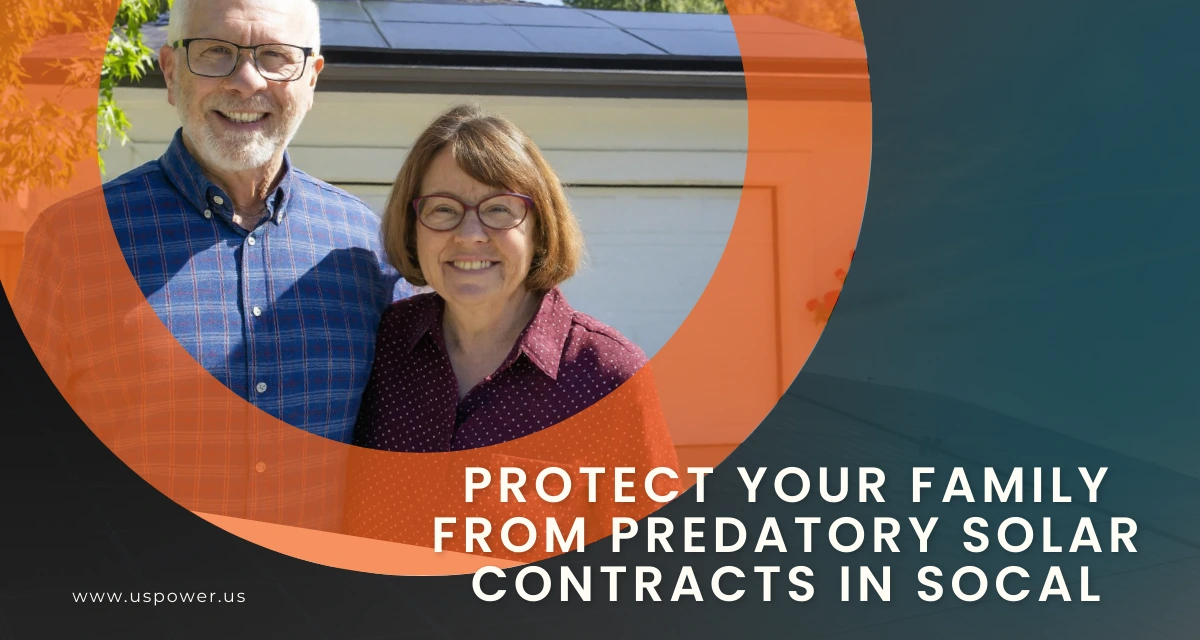
Evite el fraude solar y proteja su inversión energética en el sur de California.
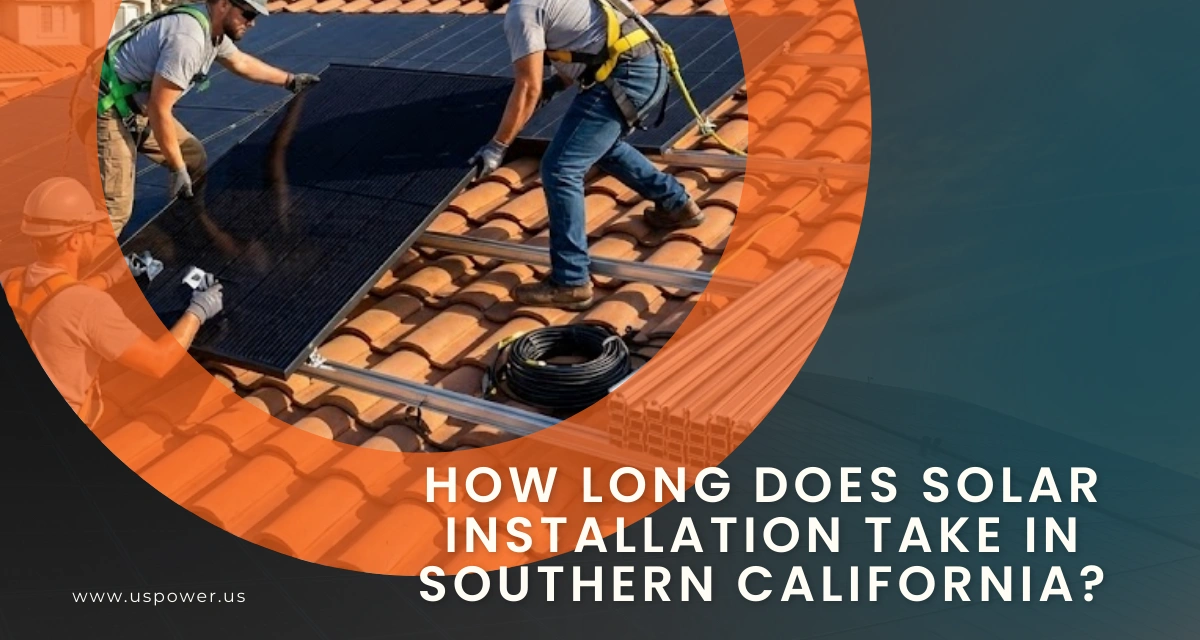
Tres semanas después, ya generaba mi propia energía. ¿Mi vecino? Sigue esperando.







¿Listo para tomar el control de tu energía? ¡Llámanos hoy!
818-650-8010Licencia de contratista n.º: 1144368
Copyright © 2026 US Power - Axia by QCells. Todos los derechos reservados.
¡Obtenga un presupuesto solar al instante mediante satélite!