

SDG&E NEM 2.0 customers can expand their system, but only within strict limits. Here's the rule, the paperwork, and the smarter alternative.
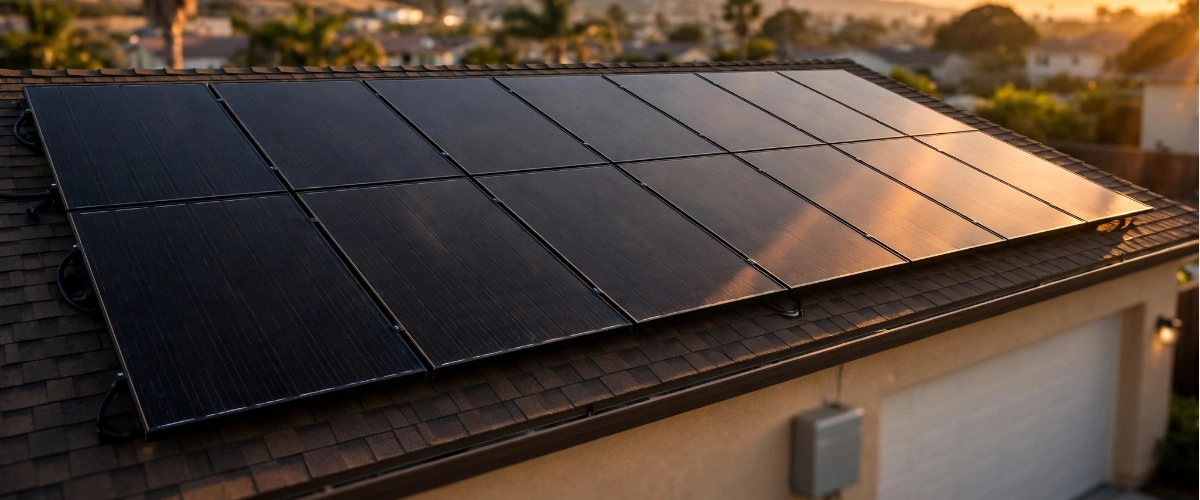
Yes, but only within strict limits. SDG&E allows a one-time expansion of up to 10 percent of your original system size or 1 kilowatt, whichever is less.
Your SDG&E bill used to be a source of pride. You locked in NEM 2.0 before April 2023, watched your summer bills shrink to almost nothing, and figured you were set for the next two decades. Then life changed. Maybe you bought an EV, added a pool, or started running the AC through longer San Diego heat waves. Now your usage has outgrown your system, and adding a few more panels seems like the obvious fix.
But SDG&E customers hear a specific warning before they touch their system: expand the wrong way and you could lose NEM 2.0 entirely, dropping onto NEM 3.0 rates that pay a fraction of what you're used to. Here's exactly what SDG&E allows, how the paperwork works in San Diego County, and when a battery makes more sense than more panels.
San Diego has some of the steepest electricity rates in the country, and that's exactly what makes NEM 2.0 so valuable here.
SDG&E residential rates regularly run higher than $0.40 per kilowatt hour, among the highest of any major utility in the nation. Under NEM 2.0, every kilowatt hour your panels export earns credit at close to that same rate. Under NEM 3.0, that export value drops sharply, often to just a few cents during the sunniest hours. For a San Diego household, that gap is worth thousands of dollars over the life of a system.
NEM 2.0 enrollment ended for good on April 15, 2026. Homeowners who already have Permission to Operate under NEM 2.0 keep their rate structure for 20 years from their interconnection date, but no new SDG&E customer can enroll in it now. That makes protecting your existing NEM 2.0 agreement more valuable than ever, since it's not something you can simply reapply for later.
SDG&E doesn't set its own NEM expansion policy. It follows the same rule the California Public Utilities Commission applies to PG&E and SCE.
SDG&E allows existing NEM 2.0 customers to expand their system one time by up to 10 percent of the original approved system size, or 1 kilowatt, whichever is less, without losing NEM 2.0 status. If your original system was 6 kW, 10 percent would be 0.6 kW, so that smaller number is your actual ceiling, not the full kilowatt. This is the 10% or 1 kW expansion rule that applies statewide, and it's worth reading the full breakdown before you commit to a number.
Any hardware change to your solar system counts, not just panels. Adding a battery, replacing an inverter, or resizing your array can all trigger a utility review if they change how much your system can export. SDG&E's underlying logic is about export capacity, not panel count specifically, so a technically small addition can still cross the line if it meaningfully increases what you send back to the grid.
Say your original system was approved at 5 kW. Ten percent of that is 0.5 kW, well under the 1 kW ceiling, so 0.5 kW is your actual cap, not the full kilowatt some homeowners assume they're entitled to. That's typically two to three standard panels, not the five or six panel addition many homeowners have in mind when they start asking about expansion. Knowing your original system's exact approved size, not its current output, is the first number you need before planning anything.
Staying under the cap protects your rate, but the process still has to be done correctly.
Any change to your interconnected system needs to be reported through SDG&E's Solar Application Portal before you add equipment, not after. Submitting a revised interconnection application lets SDG&E confirm your addition stays within the allowed limit. Skipping this step, even for a small addition, is one of the most common ways homeowners accidentally lose NEM 2.0 without realizing it until their next bill.
Once SDG&E approves your modification, your added panels can't legally go live until you receive an updated Permission to Operate for the changed system. Getting Permission to Operate approved can take longer than homeowners expect, so it's worth building that timeline into any expansion plan rather than assuming the panels can be flipped on the day they're installed.
Expanding a NEM 2.0 system isn't a standard install, and treating it like one is how homeowners lose their status.
US Power's CSLB-licensed consultants review your original SDG&E interconnection agreement before recommending anything, so you know your exact expansion ceiling before a single panel goes on the roof. Every install uses American-made Qcells panels backed by a 25-year comprehensive warranty covering panels, workmanship, and performance, with factory-direct pricing that keeps costs transparent. With 200+ five-star Google reviews, US Power has walked plenty of San Diego homeowners through exactly this situation.
If your calculated cap only covers a fraction of what you actually need, adding panels alone probably isn't going to solve your usage problem. That's the point where most SDG&E homeowners in this situation start looking at storage instead of squeezing every last watt out of a capped expansion.
For many SDG&E homeowners, the smarter move isn't adding panels at all.
If your usage has outgrown your original system, pairing a battery with your existing system can solve the same problem without touching your NEM 2.0 export limits. A battery configured as non-exporting stores your existing solar production for evening use instead of sending more power to the grid, so it doesn't count against your expansion cap the same way additional panels do. Given SDG&E's steep evening rates, that stored energy is often worth more to you than a small panel addition would be anyway.
The SGIP battery rebate can offset a meaningful share of battery installation costs depending on your income and location, and SDG&E customers who install a qualifying Qcells battery are also eligible for the Qcells VPP program, which pays annual rewards for enrolling your battery in demand response events. Between the two, a battery addition frequently pencils out better than a panel expansion that only gets you to a fraction of a kilowatt anyway.
Keep in mind that SDG&E's roughly $24 monthly base service charge, in place since October 2025, applies to your account regardless of whether you expand your system or not. It's worth understanding SDG&E's base service charge as part of your overall math, since it's a fixed cost that solar production alone can't offset.
Your SDG&E NEM 2.0 agreement is one of the most valuable things attached to your home right now, and San Diego's electricity rates only make it more valuable each year. A small, properly filed expansion can genuinely help. An unfiled or miscalculated one can cost you the entire agreement. The difference comes down to knowing your exact limit before you touch the system.



Smart solar, local install, and 30% tax credit. Save more on Qcells products today!

Your neighbors are breaking even faster than their installer predicted. Here's why.
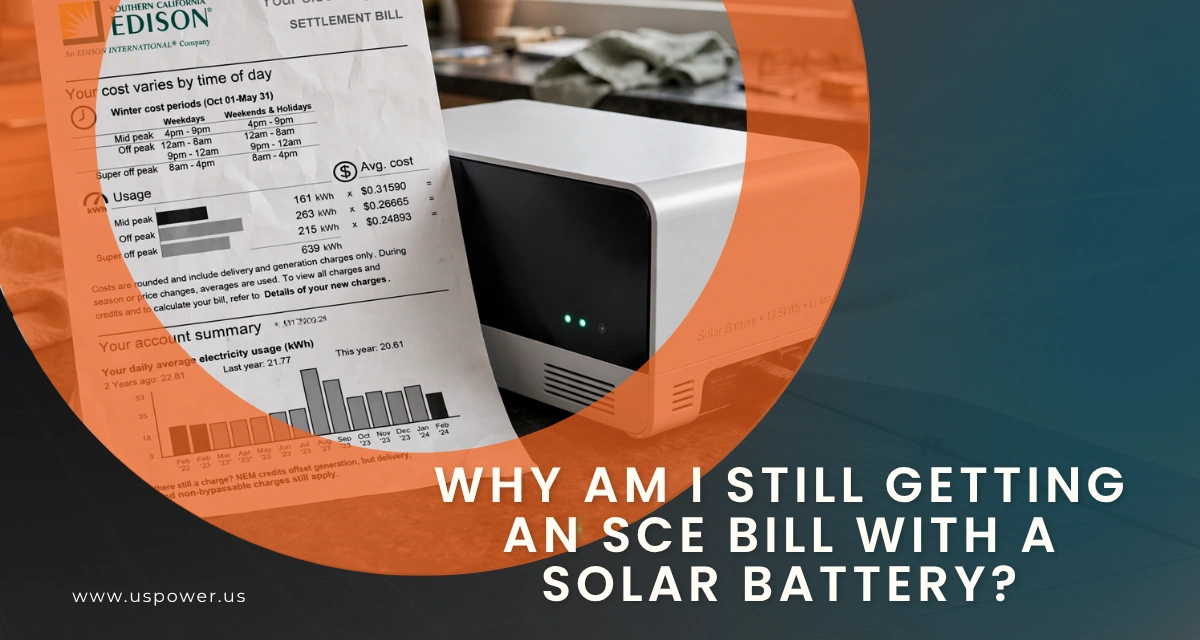
Still Getting an SCE Bill With a Solar Battery? Here's why you're still charged.








Copyright © 2026 US Power - Axia by QCells. All Rights Reserved.
Get an instant solar estimate using satellite!