

Los clientes de SDG&E NEM 2.0 pueden ampliar su sistema, pero bajo límites estrictos. Aquí tiene la regla, el papeleo y la alternativa más inteligente.
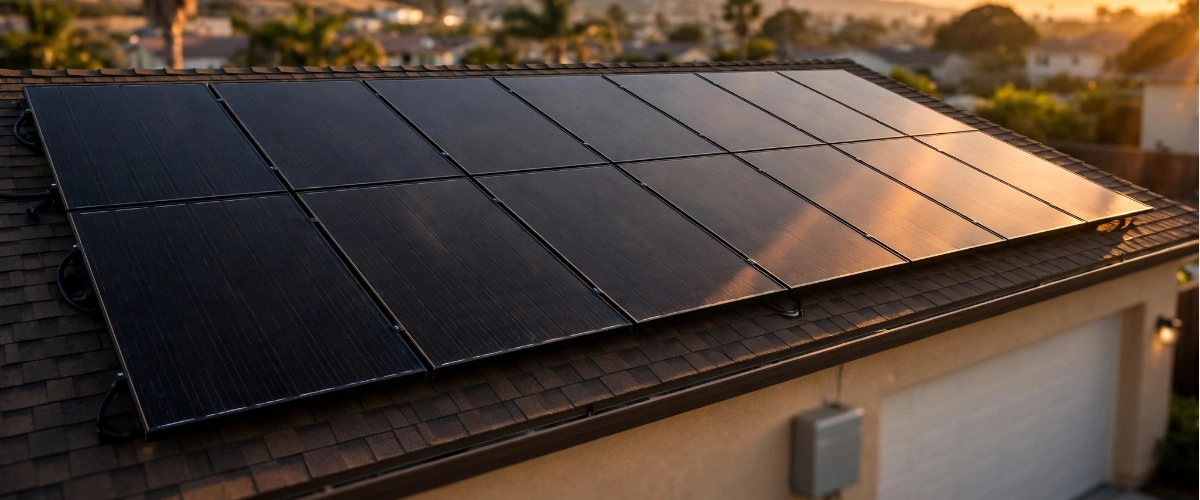
Sí, pero solo dentro de límites estrictos. SDG&E permite una expansión única de hasta el 10 por ciento del tamaño original de su sistema o 1 kilovatio, lo que sea menor.
Su factura de SDG&E solía ser motivo de orgullo. Aseguró su tarifa NEM 2.0 antes de abril de 2023, vio cómo sus facturas de verano se reducían casi a cero y pensó que tendría tranquilidad durante las próximas dos décadas. Pero la vida cambia. Quizás compró un vehículo eléctrico, añadió una piscina o empezó a usar el aire acondicionado durante olas de calor más largas en San Diego. Ahora su consumo ha superado la capacidad de su sistema y añadir unos cuantos paneles parece la solución obvia.
Sin embargo, los clientes de SDG&E reciben una advertencia específica antes de tocar su sistema: si se amplía de forma incorrecta, podría perder el programa NEM 2.0 por completo y pasar a las tarifas NEM 3.0, que pagan una fracción de lo que usted está acostumbrado a recibir. Aquí le explicamos exactamente qué permite SDG&E, cómo funcionan los trámites en el condado de San Diego y cuándo resulta más sensato instalar una batería que añadir más paneles.
San Diego tiene algunas de las tarifas eléctricas más elevadas del país, y eso es precisamente lo que hace que el programa NEM 2.0 sea tan valioso aquí.
Las tarifas residenciales de SDG&E superan habitualmente los 0,40 dólares por kilovatio hora, situándose entre las más altas de cualquier gran empresa de servicios públicos del país. Bajo el programa NEM 2.0, cada kilovatio hora que sus paneles exportan genera un crédito casi a esa misma tarifa. Con NEM 3.0, el valor de esa exportación cae drásticamente, a menudo a solo unos pocos centavos durante las horas de mayor radiación solar. Para un hogar en San Diego, esa diferencia supone miles de dólares a lo largo de la vida útil del sistema.
La inscripción en NEM 2.0 finalizó definitivamente el 15 de abril de 2026. Los propietarios que ya cuentan con el Permiso de Operación bajo NEM 2.0 mantienen su estructura tarifaria durante 20 años a partir de la fecha de interconexión, pero ningún nuevo cliente de SDG&E puede inscribirse ahora. Esto hace que proteger su acuerdo NEM 2.0 existente sea más valioso que nunca, ya que no es algo que pueda solicitar de nuevo más adelante.
SDG&E no establece su propia política de expansión para NEM. Sigue la misma norma que la Comisión de Servicios Públicos de California aplica a PG&E y SCE.
SDG&E permite a los clientes actuales de NEM 2.0 ampliar su sistema una sola vez hasta un 10 por ciento del tamaño original aprobado, o 1 kilovatio, lo que sea menor, sin perder el estatus de NEM 2.0. Si su sistema original era de 6 kW, el 10 por ciento sería 0,6 kW, por lo que esa cifra menor es su límite real, no el kilovatio completo. Esta es la regla de expansión del 10% o 1 kW que se aplica en todo el estado, y vale la pena leer el desglose completo antes de comprometerse con una cifra.
Cualquier cambio de hardware en su sistema solar cuenta, no solo los paneles. Agregar una batería, reemplazar un inversor o cambiar el tamaño de su matriz puede activar una revisión de la compañía eléctrica si altera la cantidad de energía que su sistema puede exportar. La lógica subyacente de SDG&E se basa en la capacidad de exportación, no específicamente en el número de paneles; por lo tanto, una adición técnicamente pequeña puede cruzar el límite si aumenta significativamente lo que usted envía de vuelta a la red.
Supongamos que su sistema original fue aprobado con 5 kW. El diez por ciento de eso es 0.5 kW, muy por debajo del tope de 1 kW, por lo que 0.5 kW es su límite real, no el kilovatio completo que algunos propietarios asumen que les corresponde. Por lo general, esto equivale a dos o tres paneles estándar, no a la adición de cinco o seis paneles que muchos propietarios tienen en mente cuando comienzan a preguntar sobre la expansión. Conocer el tamaño exacto aprobado de su sistema original, no su producción actual, es el primer dato que necesita antes de planificar cualquier cosa.
Mantenerse por debajo del límite protege su tarifa, pero el proceso debe realizarse correctamente.
Cualquier cambio en su sistema interconectado debe informarse a través del portal de solicitudes solares de SDG&E antes de agregar equipos, no después. Enviar una solicitud de interconexión revisada permite que SDG&E confirme que su adición se mantiene dentro del límite permitido. Omitir este paso, incluso para una adición pequeña, es una de las formas más comunes en que los propietarios pierden accidentalmente NEM 2.0 sin darse cuenta hasta que reciben su próxima factura.
Una vez que SDG&E apruebe su modificación, sus paneles adicionales no pueden entrar en funcionamiento legalmente hasta que reciba un Permiso de Operación actualizado para el sistema modificado. Obtener la aprobación del Permiso de Operación puede llevar más tiempo del que esperan los propietarios, por lo que vale la pena incluir ese plazo en cualquier plan de expansión en lugar de asumir que los paneles se pueden encender el día que se instalan.
Expandir un sistema NEM 2.0 no es una instalación estándar, y tratarlo como tal es la forma en que los propietarios pierden su estatus.
Los consultores con licencia CSLB de US Power revisan su acuerdo de interconexión original de SDG&E antes de recomendar cualquier cosa, para que usted conozca su límite exacto de expansión antes de que se coloque un solo panel en el techo. Cada instalación utiliza paneles Qcells de fabricación estadounidense respaldados por una garantía integral de 25 años que cubre paneles, mano de obra y rendimiento, con precios directos de fábrica que mantienen la transparencia de los costos. Con más de 200 reseñas de cinco estrellas en Google, US Power ha guiado a muchos propietarios de San Diego a través de esta misma situación.
Si su límite calculado solo cubre una fracción de lo que realmente necesita, agregar paneles por sí solo probablemente no resolverá su problema de consumo. Ese es el punto en el que la mayoría de los propietarios de SDG&E en esta situación comienzan a considerar el almacenamiento en lugar de intentar exprimir hasta el último vatio de una expansión limitada.
Para muchos propietarios de SDG&E, la decisión más inteligente no es agregar paneles en absoluto.
Si su consumo ha superado a su sistema original, combinar una batería con su sistema existente puede resolver el mismo problema sin afectar sus límites de exportación de NEM 2.0. Una batería configurada para no exportar almacena su producción solar existente para usarla por la noche en lugar de enviar más energía a la red, por lo que no cuenta para su límite de expansión de la misma manera que lo hacen los paneles adicionales. Dadas las elevadas tarifas nocturnas de SDG&E, esa energía almacenada suele valer más para usted que lo que valdría una pequeña adición de paneles.
El reembolso de baterías SGIP puede compensar una parte significativa de los costos de instalación de la batería, dependiendo de sus ingresos y ubicación. Además, los clientes de SDG&E que instalen una batería Qcells que cumpla con los requisitos también son elegibles para el programa VPP de Qcells, el cual ofrece recompensas anuales por inscribir su batería en eventos de respuesta a la demanda. Al combinar ambos, añadir una batería suele ser una opción más rentable que ampliar los paneles, lo cual apenas le aportaría una fracción de kilovatio.
Tenga en cuenta que el cargo base mensual de servicio de SDG&E, de aproximadamente $24 y vigente desde octubre de 2025, se aplica a su cuenta independientemente de si amplía su sistema o no. Vale la pena considerar el cargo base de servicio de SDG&E como parte de su cálculo general, ya que es un costo fijo que la producción solar por sí sola no puede compensar.
Su acuerdo NEM 2.0 con SDG&E es uno de los activos más valiosos de su hogar en este momento, y las tarifas eléctricas de San Diego lo hacen aún más valioso cada año. Una ampliación pequeña y correctamente registrada puede ser realmente útil. Sin embargo, una ampliación no declarada o mal calculada podría costarle todo el acuerdo. La diferencia radica en conocer su límite exacto antes de realizar cualquier modificación en el sistema.


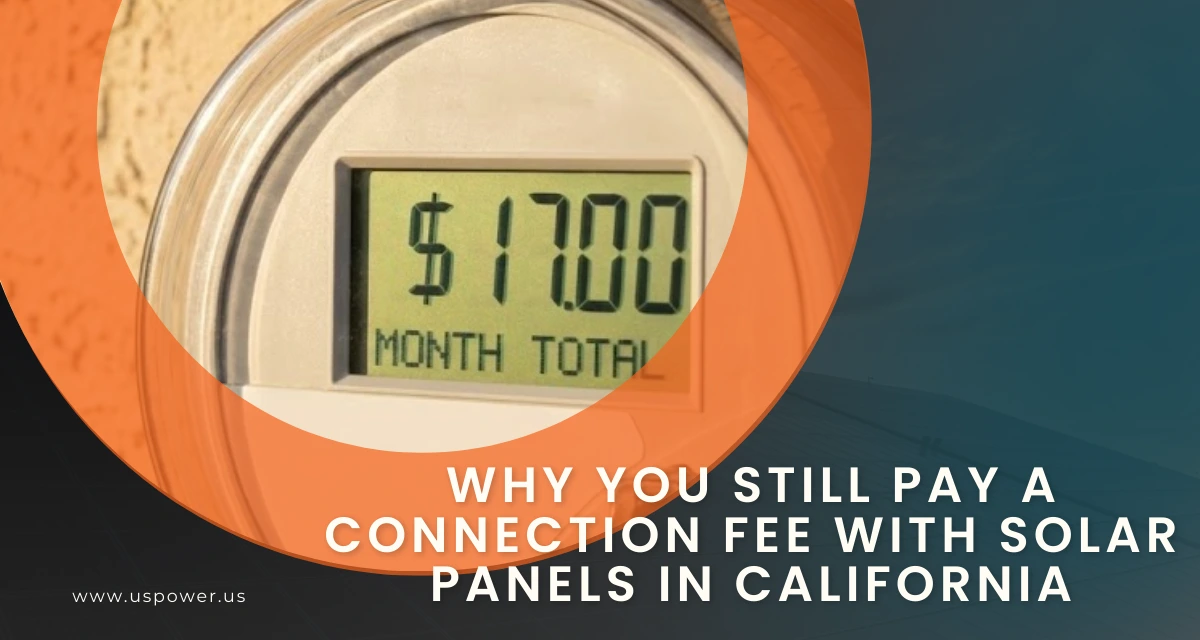
Mi factura es de $17, ¿no es eficiente mi sistema solar? Aprende más con US Power.
El reembolso solar de 2,65 M$ de PWP está activo, pero cierra al agotarse los fondos.
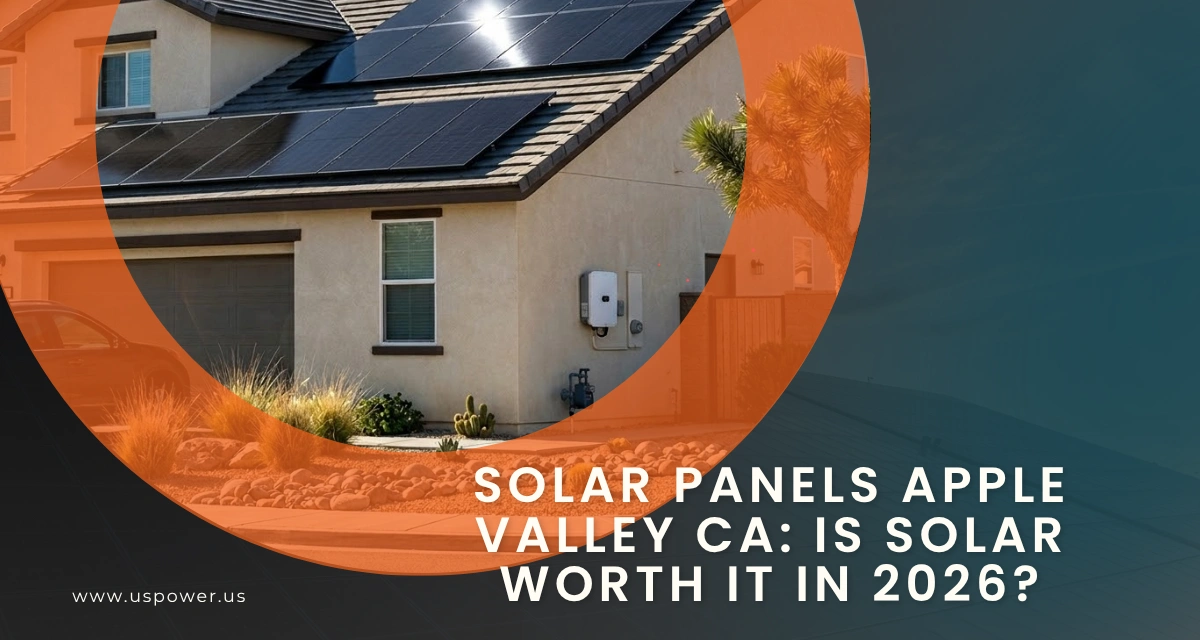
El mejor instalador de paneles solares en Apple Valley para paneles solares QCells.







¿Listo para tomar el control de tu energía? ¡Llámanos hoy!
818-650-8010Licencia de contratista n.º: 1144368

Copyright © 2026 US Power - Axia by QCells. Todos los derechos reservados.
¡Obtenga un presupuesto solar al instante mediante satélite!