
The 30 percent federal credit is gone, but it was only one layer of solar incentives. State rebates, net metering, utility buyback rates, and property tax breaks are still open across California, Texas, Florida, and Illinois in 2026. The homeowners who save most are the ones who know how to qualify for and stack them before program funds step down. Here is what you can still claim in each state, and how to actually get it.

You have probably heard that the big federal solar credit is gone, and that part is true. What most homeowners miss is that the credit was only ever one layer of solar incentives, and the other layers are still very much open. State programs, utility rebates, net metering credits, and property tax protections remain available across California, Texas, Florida, and Illinois in 2026. The catch is that nobody mails these to you. You qualify for them by meeting specific rules, filing on time, and stacking the programs that legally combine. This guide walks you through how to actually claim what is still on the table in each of the four states US Power serves.
The headline "the solar credit expired" left a lot of homeowners assuming there was nothing left worth chasing. That assumption is quietly costing people thousands.
One national tax credit ended, but solar incentives were never a single program. They are a stack of separate benefits, and each one has its own owner, whether that is a state agency, your utility, or your county assessor. When one layer closes, the others do not vanish, they simply become the parts that matter most. Homeowners who still lower their bills the most in 2026 are the ones who learned the difference between a headline and their actual eligibility.
Most people do not lose incentives because they were unavailable. They lose them because they never learned the qualifying rules, missed a filing window, or assumed a rebate was automatic. A program you do not apply for correctly pays you nothing, no matter how generous it looks on paper. Knowing the rules is the entire game.
Before you can stack incentives, you need to see them as separate layers rather than one lump sum. Each layer qualifies differently and pays out differently.
Layer one is your utility relationship, meaning net metering or a buyback rate that credits the power your panels send back. Layer two is state level programs, such as battery rebates or renewable energy credits that your state runs directly. Layer three is local, covering city utility rebates and county property tax rules. Most homeowners only think about one layer, but qualifying for all three at once is where the real savings live, and the layers are designed to be combined.
In California, the shift to NEM 3.0 changed how much your exported power is worth, which changed the smartest way to design a system. Understanding how NEM 3.0 changed the way you earn credits is the foundation, because it pushes most homeowners toward pairing panels with a battery to capture value instead of exporting it cheaply. Once you understand that framework, the state and local rebates start to make sense as pieces of one plan rather than random discounts.
Here is where the four states diverge. The layers are the same idea everywhere, but the specific programs and the rules to qualify are different in each one.
California still offers real value through the Self Generation Incentive Program for batteries, plus a statewide property tax exclusion that keeps your home's assessed value from rising because of the system. You qualify for the battery rebate by meeting equipment and installer requirements, so review the SGIP battery rebate eligibility rules before you buy. Los Angeles residents can often layer a city program on top, and LADWP's solar and battery incentives are a strong example of local money most people never claim. The property tax side is automatic in spirit but still worth confirming, so read how California's solar property tax exclusion protects your assessment.
Texas has no statewide solar rebate, but it protects you in two important ways. A property tax exemption means the value solar adds to your home is not taxed, and many local utilities and co-ops run their own buyback or bill credit programs. To qualify, you generally register your system with your utility and confirm it meets their interconnection standard. With rising Texas electricity rates making every self-produced kilowatt more valuable, the utility level programs often matter more here than a one time rebate would.
Florida remains one of the better net metering states in the country, which is its single biggest incentive. You earn full retail credit for the power you export, and the state adds both a sales tax exemption on the equipment and a property tax exemption on the added home value. Qualifying is mostly about correct interconnection paperwork with your utility. Because the state programs are simpler here, your net cost is driven more by pricing, which is why factory-direct solar pricing in Florida does a lot of the heavy lifting for Florida savings.
Illinois quietly runs some of the strongest state programs in the nation through Illinois Shines and its renewable energy credit market. You earn credits for the clean power you generate, paid out based on your system size, and the state has expanded access in recent years. These credits also carry value at resale, so it helps to understand how SRECs transfer when you sell your home. Qualifying means working through an approved program administrator, which a licensed installer handles for you.
The difference between a homeowner who claims everything and one who leaves money behind is rarely the panels. It is who handles the eligibility and the filing.
Incentives fail on details, a missed deadline, a wrong equipment spec, or an interconnection form filled out incorrectly. Our CSLB-licensed consultants know each state's rules and file the applications correctly the first time, so a rebate you qualify for actually reaches you. As an exclusive Qcells partner with American-made panels and a 25-year comprehensive warranty on panels, workmanship, and performance, US Power designs the system to match the incentives you are chasing rather than forcing a mismatch. That alignment is what protects your long term return.
Even a program you qualify for perfectly can slip away if you move too slowly, because most of these incentives are not permanent or unlimited.
Battery rebate pools like SGIP step down as funds are claimed, so the amount available today is usually larger than it will be next quarter. State credit programs adjust their rates over time, and utility buyback terms can change when regulators revisit them. Interconnection queues also lengthen as more homeowners apply, which pushes back the date your credits actually start. The way to protect a strong incentive is to lock your system in while the program is still funded, and to compare solar quotes line by line so you know each bid already reflects the incentives you plan to claim.
The gap in 2026 is not between homeowners who have incentives and those who do not. It is between homeowners who know how to qualify and stack them and those who assumed the opportunity ended with one headline. California, Texas, Florida, and Illinois all still reward you for going solar, in different ways, if you meet the rules and file on time. Treat incentives as a stack you assemble on purpose, not a discount you hope shows up, and you keep far more of what your system is worth over its lifetime.


Your complete 2025 US Power guide to 2kW solar systems in Southern California.

Same house in Southern California. Five quotes. $22,000 price gap. What's going on?
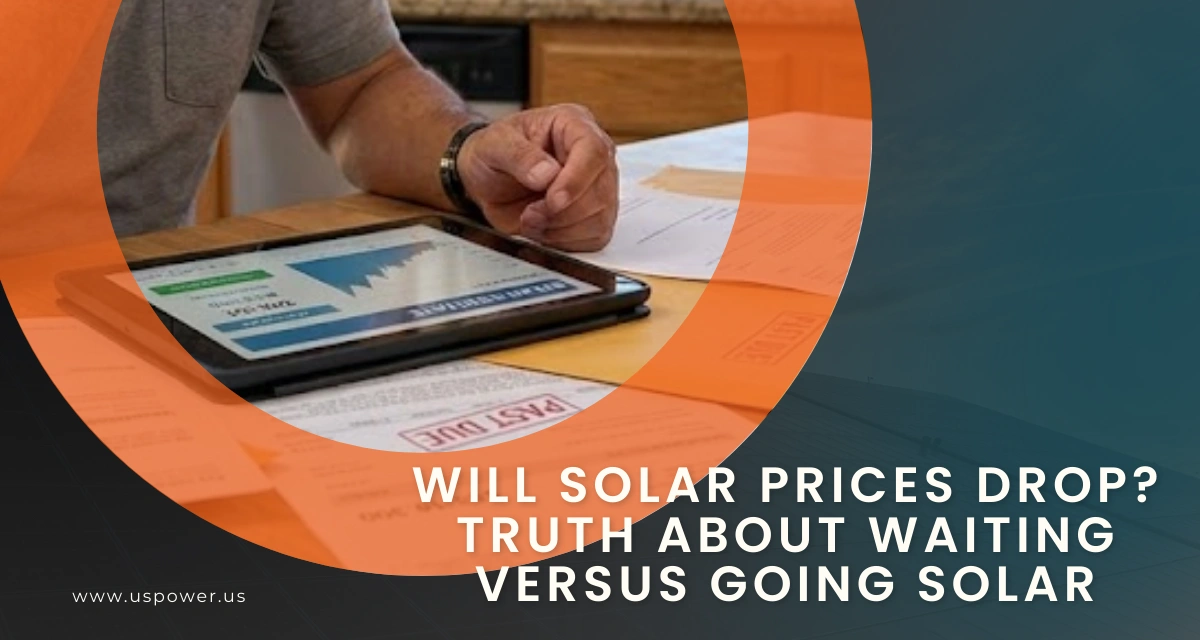
Are you still waiting for that price drop in 2026? Your home power bill isn't.








Copyright © 2026 US Power - Axia by QCells. All Rights Reserved.
Get an instant solar estimate using satellite!