

Los propietarios de viviendas de California están pagando entre 17 000 y 25 000 dólares para utilizar energía solar en 2026, pero lo que ahorran en 25 años cambia las cuentas por completo. Esto es lo que debes saber antes de firmar cualquier cosa.
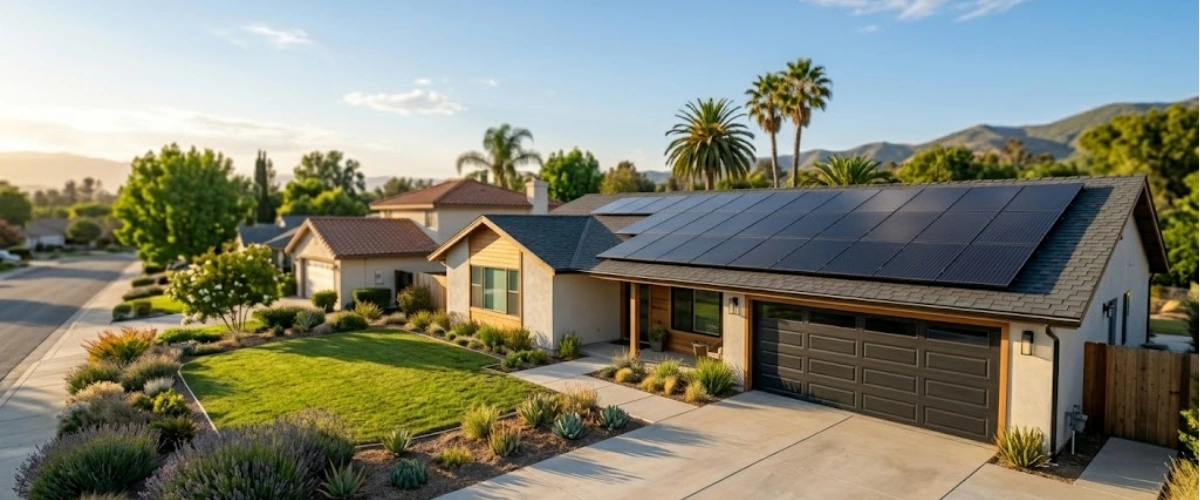
Su factura de SCE o PG&E sigue aumentando. Los vecinos están optando por la energía solar. Un compañero de trabajo paga solo la tarifa de conexión a la red cada mes. Y, sin embargo, todavía tiene preguntas: ¿cuánto cuesta realmente esto? ¿Qué programas pueden ayudar? ¿Y cómo puede encontrar una empresa de energía solar en la que realmente pueda confiar?
Estas son exactamente las preguntas correctas que debe hacerse antes de firmar cualquier cosa. El costo de instalar paneles solares en California oscila entre De 17 000 a 25 000 dólares antes de los incentivos en 2026, según el tamaño del sistema, el techo y la empresa que elija. Sin embargo, el número más importante es el que conservará durante los próximos 25 años.
Esta guía le brinda las cifras reales de 2026, los incentivos actuales de California y un camino claro para reducir las facturas sin la presión de las ventas.
Tanto SCE como PG&E han aumentado las tarifas eléctricas básicas desde 2024, y se proyectan nuevos aumentos hasta 2027. El hogar promedio de California ahora paga alrededor de 219 dólares al mes, pero los propietarios de viviendas en zonas cálidas del interior, como Riverside, San Bernardino y el valle de San Fernando, suelen ver que sus facturas de verano ascienden a entre 400 y 500 dólares al mes, incluso con programas como CARE que reducen la tarifa base.
Los servicios públicos fijan el precio. Solo tienes que pagarlo. Y cada aumento anual en las tarifas se acumula a lo largo de una década de una manera que la mayoría de los propietarios no calculan hasta que finalmente calculan los números.
Un propietario de una vivienda de California que gaste 350 dólares al mes en electricidad pagará a su empresa de servicios públicos aproximadamente 105 000 dólares en los próximos 25 años. Ese dinero no genera capital, no crea ningún activo y no devuelve nada.
UN instalación solar residencial, por el contrario, se amortiza en un promedio de 7 a 8 años y genera ahorros significativos durante el resto de la vida útil del sistema. Cada dólar después de la amortización es dinero que se queda contigo.
Los sistemas residenciales más comunes en California oscilan entre 6 kW y 10 kW, según el uso de energía de su hogar. Según los datos actuales del mercado de 2026, esta es la situación antes de cualquier reembolso o incentivo:
Los precios de California generalmente oscilan entre 2,50 y 3,50 dólares por vatio instalado. El número final depende en gran medida de la empresa que elija, de la marca de paneles que utilicen y de la disposición del techo.
La calidad del panel es la variable más importante. Los paneles económicos cuestan menos por adelantado, pero tienden a tener un rendimiento inferior antes, y los costos de reemplazo durante un período de 25 años de vida útil del sistema pueden hacer desaparecer cualquier ahorro inicial. La inclinación del techo, las condiciones de sombra y el hecho de que su panel eléctrico necesite una mejora también son factores a la hora de calcular el presupuesto final.
Tenga cuidado con las cotizaciones inusualmente bajas. Los propietarios de viviendas de California han descubierto en repetidas ocasiones que las empresas que cotizan cifras bajas por vatio vuelven a añadir los permisos, las mejoras del panel principal y el tendido de los conductos más tarde. Una cotización solar legítima se detalla desde el principio. Puede utilizar las de US Power calculadora de ahorro solar para obtener una estimación rápida basada en el tamaño de su vivienda y los servicios públicos.
De California Programa de incentivos para la autogeneración (SGIP) sigue siendo uno de los programas más valiosos disponibles para los propietarios de viviendas elegibles. Puede cubrir el costo total de un sistema de almacenamiento en baterías y, en el caso de los solicitantes que reúnan los requisitos de ingresos, también los paneles solares incluidos con el almacenamiento.
Para calificar, por lo general, debe estar por debajo de un umbral de ingresos o vivir en un área designada de alto riesgo de incendio. Los fondos pasan por un sistema de listas de espera, y un propietario de una vivienda de California dijo recientemente que su proceso de aprobación total llevó casi un año desde la solicitud hasta la confirmación de la financiación. La lista de espera cambia, porque no todos los solicitantes terminan calificando.
La regla más importante: no autorice ninguna instalación hasta que reciba una confirmación por escrito de la empresa de servicios públicos de que sus fondos están reservados. Los propietarios de viviendas que se saltaron este paso se quedaron con embargos después de que las empresas instalaran los equipos antes de que se aprobara.
Tanto SCE como LADWP ofrecen programas de reembolso para agregar almacenamiento de batería solar eso puede reducir sus gastos de bolsillo en 2000 dólares o más. Con frecuencia, estos programas solo se comunican a través de correos electrónicos de servicios públicos y es fácil pasarlos por alto. Una buena compañía de energía solar marcará todos los descuentos disponibles en su área antes de que usted los apruebe. Si la suya no lo hace, pregunte por qué.
California pasó de la medición neta a la facturación neta en NO 3.0, y el impacto en los nuevos propietarios de energía solar es significativo. Según las normas anteriores, la energía que se devolvía a la red se acreditaba a precios cercanos a los de venta al público. Con NEM 3.0, esos créditos a la exportación se valoran en una fracción de lo que se paga por comprar energía por la noche.
El resultado práctico: un sistema solar sin almacenamiento envía la mayor parte de su producción diurna a la red con tasas de crédito bajas, y luego vuelve a comprar energía a precio completo después de la puesta del sol. Esa brecha reduce significativamente sus ahorros mensuales en comparación con lo que ganaban los propietarios de sistemas solares con las reglas anteriores.
Con una batería, el cálculo cambia por completo. Su sistema almacena lo que genera durante las horas pico de sol y suministra energía a su hogar al anochecer. Usted compra poco o nada de la red. Esto es lo que quieren decir los propietarios de sistemas solares de California cuando recomiendan configurar su sistema en modo «autoalimentado»: utilice su energía cuando la fabrique, no cuando la empresa de servicios públicos decida volver a venderla.
Agregar almacenamiento de batería solar aumenta su costo inicial entre aproximadamente 7 000 y 15 000 dólares, según la batería, pero también mejora drásticamente su rendimiento mensual según las normas actuales de California. Para la mayoría de los propietarios de viviendas en 2026, el almacenamiento no es opcional; es la diferencia entre una buena inversión y una buena inversión.
La mayoría de las empresas de energía solar son intermediarios que compran paneles a los distribuidores y los suben antes de repercutirle el costo. US Power opera como representante directo de fábrica de QCells, una de las marcas de paneles de fabricación estadounidense más confiables de la industria. Esa relación directa reduce sus costos entre un 15 y un 20% en comparación con los precios del mercado sin reducir la calidad.
Solo instalaciones de US Power Paneles solares Qcells, que cuentan con una garantía integral de 25 años que cubre los paneles, la mano de obra y el rendimiento. Si quieres entender por qué es importante la marca, consulta nuestra guía sobre Paneles solares de fabricación estadounidense explica por qué la fabricación nacional está elevando el listón en 2026.
Los consultores con licencia CSLB de US Power analizan cada línea de su cotización antes de comprometerse con algo. No hay cargos ocultos ni tarifas promocionales ni presiones para firmar el mismo día de la consulta. Desde la firma de un contrato hasta la puesta en marcha de un sistema generador, el plazo es de 3 a 6 semanas, y más de 200 reseñas de Google con cinco estrellas reflejan esa experiencia de forma constante.
El mercado solar de California tiene su cuota de operadores que no operan pensando en los mejores intereses del propietario. Esté atento a:
Un patrón que ha causado graves daños a las personas mayores de California: las empresas que instalan equipos antes de que se confirme la aprobación del SGIP, dejan a los propietarios con facturas inesperadas y gravámenes contra sus propiedades. La confirmación escrita de los servicios públicos es su protección.
Una compañía confiable le da tiempo para leer el contrato, explica cada paso desde el permiso hasta la interconexión y revela todos los costos por adelantado. Nuestra guía detallada sobre cómo elegir una empresa de energía solar en Los Ángeles le brinda una lista de verificación completa que debe revisar antes de firmar cualquier cosa.
US Power ofrece instalación solar cerca de usted en California, que abarca Los Ángeles, el valle de San Fernando, Riverside, San Bernardino y docenas más de comunidades en todo el estado.
La instalación de paneles solares en California cuesta entre 17 000 y 25 000 dólares en 2026, pero esa cifra no cuenta la historia completa. La historia completa es lo que ocurre después de la recuperación de la inversión: 15 o más años con facturas drásticamente más bajas, una vivienda que vale más en el mercado y costos de energía que realmente controlas.
California todavía tiene programas que ayudan a los propietarios de viviendas que reúnen los requisitos a reducir los costos iniciales. Las tarifas de los servicios públicos no dejarán de subir por sí solas. Y con US Power, el tiempo desde la primera conversación hasta un sistema en vivo es de solo 3 a 6 semanas.
El siguiente paso no cuesta nada, y comienza aquí.


Solar boom powers 2025—SoCal homeowners can save big on electricity bills.
Cut the EV charging costs with solar and storage from US Power + Qcells California
Stop the rising utility bills with reliable Qcells solar panels through US Power.







¿Estás listo para ser dueño de tu poder? ¡Llámenos hoy mismo!
818-650-8010Contractor License #: 1144368

Derechos de autor © 2025 US POWER | Energía solar y techosUS Power - Axia by QCells. All Rights Reserved.
¡Obtenga una estimación solar instantánea usando el satélite!