

¿Te preguntas si una batería de respaldo para el hogar vale la inversión en 2026? Propietarios en Texas, California y Florida dan su opinión, y la respuesta podría sorprenderte. Esto es lo que dicen los datos y las experiencias reales antes de que tomes una decisión.
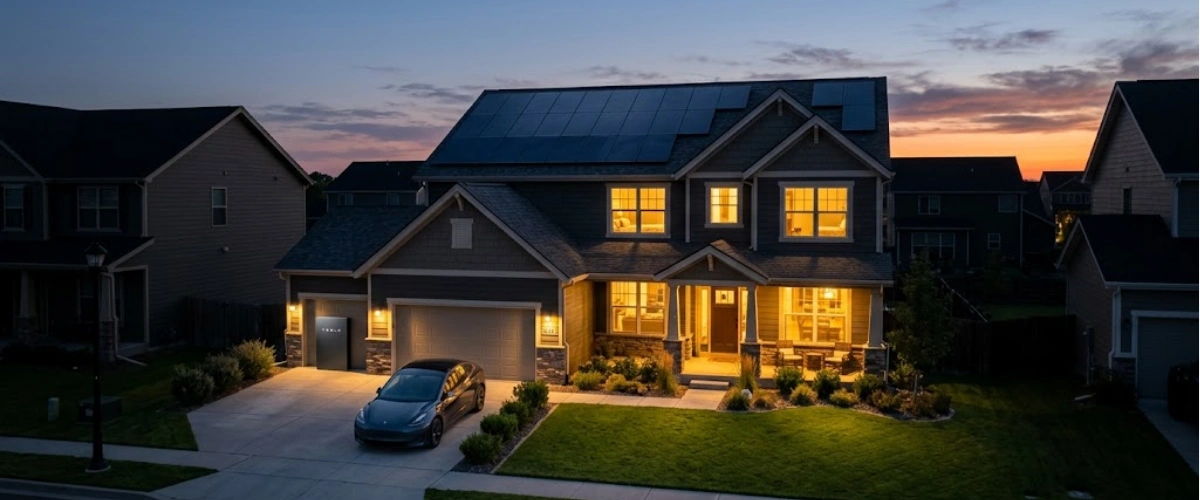
Las luces parpadearon. Luego se apagaron. Y tus paneles solares, ahí mismo en tu techo, absorbiendo la luz del sol, no hicieron absolutamente nada.
Esa es la realidad que la mayoría de los propietarios no comprende hasta que es demasiado tarde. Los sistemas solares conectados a la red se apagan automáticamente durante los cortes por razones de seguridad. Sin almacenamiento en baterías, te quedas sin energía igual que tu vecino que no tiene paneles.
Así que la pregunta no es realmente si una batería vale la pena. La verdadera pregunta es: ¿cuánta capacidad de batería necesitas realmente y será rentable? En 2026, con las tarifas eléctricas subiendo rápidamente y la fiabilidad de la red empeorando en Texas, California y Florida, esa decisión nunca ha sido tan importante.
Los propietarios en Texas ya lo saben por experiencia propia. Cuando la tormenta invernal Uri azotó en 2021, 4.5 millones de hogares perdieron energía durante un promedio de 42 horas. El margen de reserva de ERCOT ha caído a un 10.1% proyectado para 2026 —muy por debajo del estándar de seguridad del 15%— mientras que se espera que la demanda de energía casi se duplique para 2030 debido a los centros de datos de IA y el crecimiento industrial.
Florida no está mucho mejor durante la temporada de huracanes. Los cortes pueden durar desde horas hasta días. En California, si las baterías solares valen la pena en California se ha convertido en una de las preguntas más buscadas por los propietarios, ya que los cortes de energía por seguridad pública (PSPS) siguen siendo una amenaza constante en zonas de incendios forestales, y NEM 3.0 ha cambiado fundamentalmente cómo se valoran los excedentes solares.
El precio promedio de la electricidad residencial en EE. UU. ha subido aproximadamente un 30% desde 2020, pasando de unos 13¢ por kWh a 17–18¢ por kWh a nivel nacional. En California, los clientes de PG&E pagan ahora alrededor de 38¢ por kWh en promedio. En Texas, las tarifas oscilan entre 14 y 19¢ por kWh, y se esperan más aumentos.
Cada año que esperas es otro año pagando a una compañía eléctrica que sigue subiendo sus tarifas. Una batería no solo te protege de los cortes. Te protege de eso.
Muchos propietarios imaginan el respaldo para toda la casa como una experiencia fluida: se va la luz y nada cambia. Y para muchos, eso es exactamente lo que sucede. Un propietario en Florida describió perder la energía a las 4 a. m. el día de Navidad y recuperarla 15 horas después, todo mientras mantenía funcionando bombas de pozo, bombas de presión de agua y la calefacción central, utilizando solo alrededor del 30% de un sistema de batería de 30 kWh mientras obtenía 8 kW de recarga solar durante el día.
La palabra clave, sin embargo, es comportamiento. Entender cuánto tiempo una batería solar alimenta tu hogar depende de lo que realmente estés usando. La mayoría de las personas que aman sus sistemas para toda la casa no usan todo a la vez. Evitan cargar el vehículo eléctrico durante los cortes, suben el termostato un par de grados y posponen el uso de la secadora. La libertad de elegir qué usar es el verdadero beneficio, no usar todo simultáneamente sin pensarlo.
Si en su zona rara vez se corta la luz por más de unas pocas horas, una batería más pequeña que cubra lo esencial (refrigerador, luces, internet y un aire acondicionado de ventana) puede costar mucho menos y aun así ofrecer una protección significativa. Elegir el respaldo adecuado para su hogar depende de evaluar con honestidad su historial de cortes de energía, las necesidades médicas o de trabajo remoto de su familia y su presupuesto.
Los propietarios que suelen arrepentirse de su sistema no son los que optaron por una solución para toda la casa. Por lo general, son quienes sobredimensionaron sin tener en cuenta la corriente de arranque del sistema de climatización (HVAC), o quienes lo subdimensionaron y se quedaron sin energía durante un corte de varios días. Dimensionar correctamente desde el principio es la decisión más importante que tomará.
El consejo de dimensionamiento más práctico de los propietarios con experiencia en energía solar: revise los datos de su factura eléctrica y observe su consumo entre las 5 y las 10 p. m. La mayoría de los hogares consumen entre 3 y 5 kW en promedio durante ese periodo. Una batería dimensionada para cubrir ese rango (aproximadamente 13–20 kWh) gestiona su carga máxima nocturna y mantiene suficiente reserva para un corte durante la noche.
En California, bajo la normativa NEM 3.0, el cálculo es aún más claro. Los sistemas solares y de baterías durante fallos en la red funcionan mejor cuando la batería se carga con sus paneles durante el día y se descarga durante el pico de consumo vespertino, lo que reduce su factura en lugar de vender energía barata a la red a las tarifas de exportación más bajas de NEM 3.0.
Uno de los errores más comunes que cometen los propietarios es no tener en cuenta la corriente de arranque del sistema de climatización (HVAC), ese pico de potencia que ocurre cuando el compresor se enciende. Un sistema de baterías diseñado para su carga promedio puede desconectarse cuando el aire acondicionado se activa.
Las soluciones incluyen añadir un dispositivo de arranque suave a su sistema de climatización, elegir una unidad con inversor de velocidad variable (que aumenta la potencia gradualmente en lugar de generar un pico) o seleccionar un inversor de batería con suficiente capacidad de sobretensión. Estos detalles importan. Un instalador experimentado revisará las especificaciones de su sistema de climatización antes de dimensionar su equipo; si no lo hace, es una señal de alerta de una instalación apresurada.
Para la mayoría de los hogares en Texas con 3 o 4 dormitorios y un uso regular de climatización, un sistema de baterías de 20–30 kWh proporciona un respaldo nocturno confiable y protección durante los eventos de la red ERCOT. En Florida, donde los cortes por huracanes pueden durar de 2 a 3 días, el almacenamiento de batería para toda la casa ante apagones prolongados suele implicar combinar una batería de 20–30 kWh con un generador para cubrir cortes extendidos. En las zonas de incendios forestales de California, el dimensionamiento de la batería suele comenzar en un mínimo de 10 kWh para lo esencial, recomendándose más de 20 kWh si tiene un vehículo eléctrico o climatización central.
La mayoría de las empresas de energía solar compran paneles a través de una cadena de distribución, lo que aumenta el costo en cada paso. US Power es un socio exclusivo de QCells con precios directos de fábrica, que suelen ser entre un 15 y un 20 % inferiores a la tarifa del mercado. Usted obtiene paneles fabricados en EE. UU. al mismo precio que pagaría un gran comprador comercial, sin el margen de beneficio del distribuidor.
Esa diferencia de precio es importante al añadir almacenamiento en baterías. Entender los costos de las baterías solares por adelantado le ayuda a presupuestar de forma realista, y los precios directos de fábrica significan que una mayor parte de su presupuesto se destina al tamaño de batería correcto, en lugar de consumirse en los sobreprecios de los paneles.
La mayoría de las garantías solares están fragmentadas: un plazo para los paneles, uno más corto para el inversor y, a menudo, nada significativo por escrito para la mano de obra. La garantía integral de 25 años de US Power cubre los tres aspectos bajo una misma póliza. Si algo falla o no rinde como debería, una sola llamada lo resuelve; sin culpas cruzadas entre fabricantes e instaladores.
Esto es especialmente valioso para los sistemas de baterías, donde una instalación adecuada afecta directamente la forma en que el sistema maneja las cargas de arranque, la integración del generador y la conmutación durante los cortes.
Desde la firma del contrato hasta el permiso de operación, la instalación típica de US Power toma de 3 a 4 semanas, significativamente más rápido que el promedio de la industria. El equipo se encarga de los permisos, el papeleo de interconexión y la coordinación con la empresa eléctrica para que usted no tenga que esperar meses para encender su sistema.
Con el crédito fiscal federal residencial expirado desde el 31 de diciembre de 2025, el Programa de Incentivos de Autogeneración (SGIP) de California es ahora el incentivo de almacenamiento en baterías más importante que queda en el estado. Los propietarios que califiquen (especialmente aquellos en distritos de alto riesgo de incendio, hogares de bajos ingresos o clientes con necesidades médicas básicas) pueden recibir reembolsos de hasta $1,000 por kWh de capacidad de batería instalada. Obtenga más información sobre cómo calificar para los reembolsos de batería SGIP en California antes de que la lista de espera se llene más.
Para una batería estándar de 10–13.5 kWh, esto puede traducirse en reembolsos de entre $8,500 y $13,500. Los presupuestos para el mercado general están actualmente en lista de espera, por lo que el tiempo es clave. Trabajar con un desarrollador aprobado por el SGIP, como US Power, es la forma más rápida de verificar su elegibilidad y asegurar su lugar antes de que se asignen los fondos.
Los propietarios de viviendas en Texas dentro del territorio de Oncor tienen acceso a un reembolso para sistemas solares con almacenamiento de hasta $9,000 en 2026. Es fundamental destacar que el reembolso ahora requiere almacenamiento en baterías para calificar; los sistemas solo solares ya no son elegibles. El programa finaliza el 30 de noviembre de 2026 o cuando se agoten los fondos, lo que ocurra primero. Combinado con la exención permanente de impuestos a la propiedad por energía solar y la exención de impuestos sobre las ventas de equipos en Texas, los ahorros se acumulan de manera significativa.
Florida no ofrece un programa estatal de reembolso para baterías, pero la justificación financiera para el almacenamiento sigue siendo sólida. Almacenar el exceso de energía solar y utilizarla durante las horas pico de la red eléctrica reduce la cantidad de energía que compra a la compañía eléctrica. Dado que la temporada de huracanes hace que los cortes de energía de varios días sean un riesgo real cada año, muchos propietarios en Florida consideran que el almacenamiento en baterías es una infraestructura de resiliencia esencial, no solo una herramienta para reducir la factura.
Su factura de electricidad no bajará por sí sola. La red eléctrica no se está volviendo más estable. Y sus paneles solares por sí solos no mantendrán las luces encendidas cuando su vecindario se quede a oscuras.
Un sistema de respaldo de batería para el hogar correctamente dimensionado resuelve los tres problemas a la vez: reduce sus costos de servicios públicos, lo protege durante los cortes de energía y hace que su inversión solar funcione como debería. Los propietarios que actúan ahora aseguran los precios actuales antes de que las tarifas —y la demanda de instalaciones— sigan aumentando.


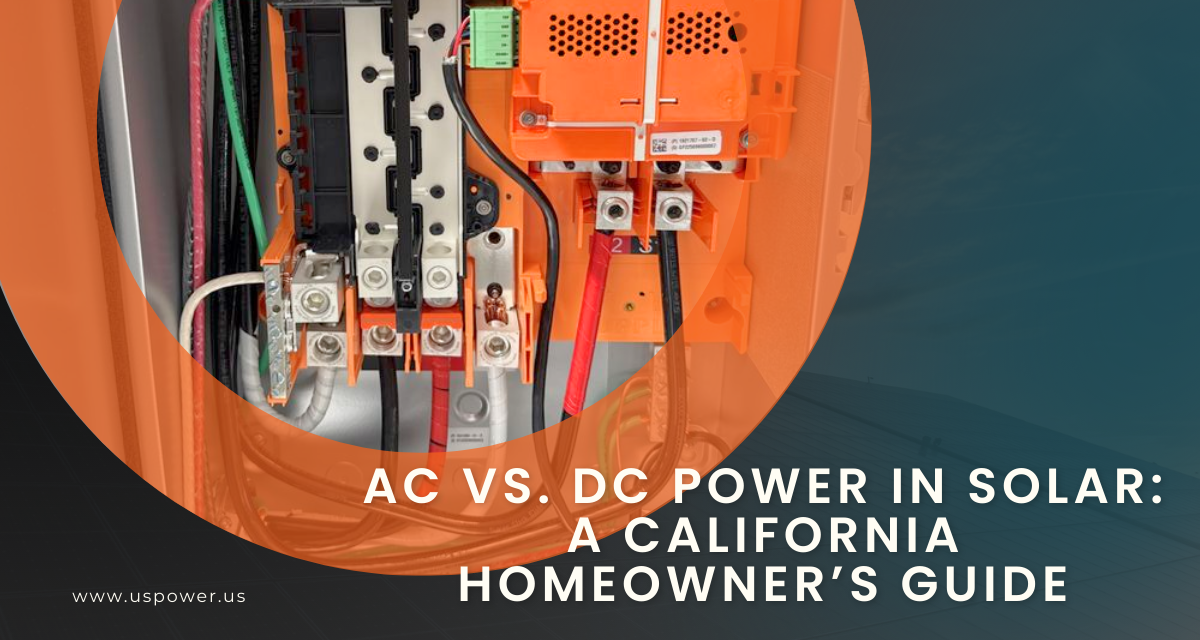
Comprenda la energía CA y CC y cómo impulsa la energía solar fiable en California.
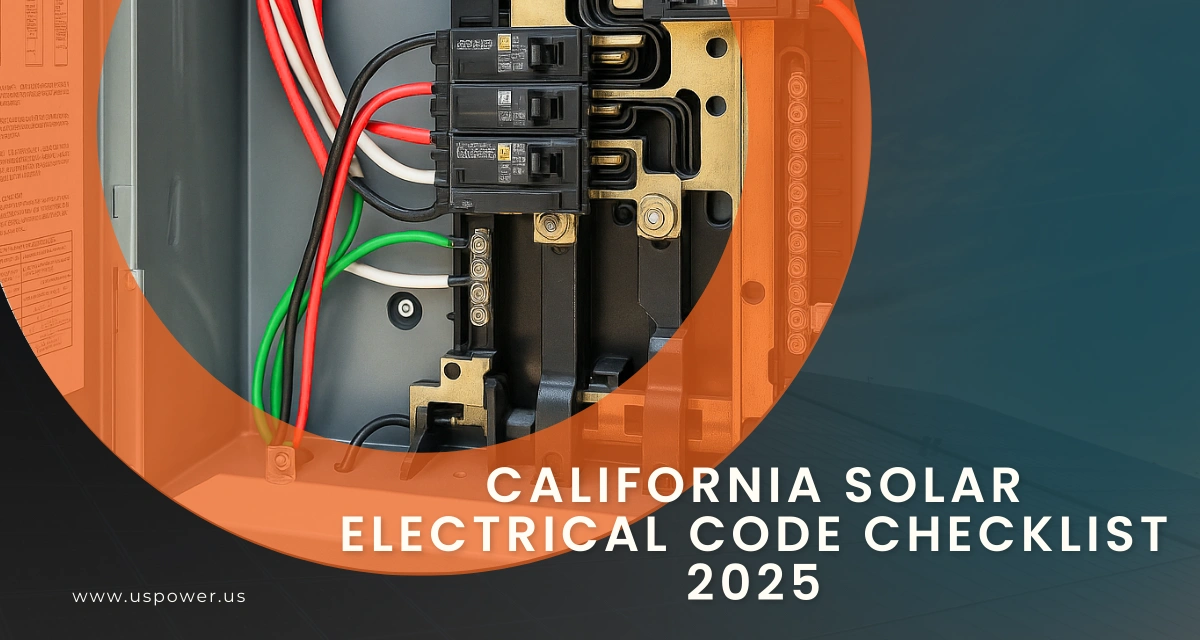
Cumpla con el código Title 24 de 2025 para sistemas solares seguros y conectados.
%20Thumbnail.webp)
Sus paneles solares están instalados. ¿Por qué no puede encenderlos todavía?








¿Listo para tomar el control de tu energía? ¡Llámanos hoy!
818-650-8010Licencia de contratista n.º: 1144368

Copyright © 2026 US Power - Axia by QCells. Todos los derechos reservados.
¡Obtenga un presupuesto solar al instante mediante satélite!