
With the federal tax credit gone, is solar still a smart investment? Discover why rising SCE rates and NEM 3.0 make 2026 the right time for Southern California homeowners to go solar.
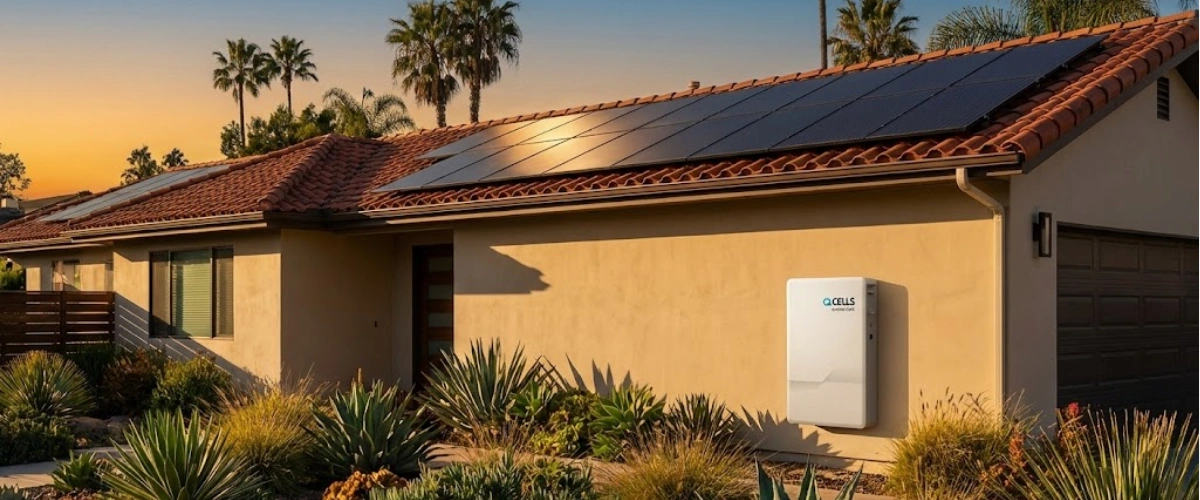
The 30% federal solar tax credit vanished on December 31, 2025. For thousands of Southern California homeowners, that raises an urgent question: is solar still worth it?
Here's what matters more than that tax credit ever did. Your SCE bill averaged $210-$240 per month in 2025. In 2026, it's climbing again. Over the past decade, Southern California Edison rates jumped 83%. They're not slowing down.
Solar doesn't need a tax credit to make financial sense when your electricity costs keep rising. What it needs is the right approach, the right equipment, and a clear understanding of what actually drives savings in 2026.
SCE's average residential rate sits at 34.5 cents per kilowatt-hour in early 2026. That's nearly double the national average. During peak hours (4-9 PM), you could pay up to 74 cents per kWh on certain time-of-use plans. Understanding why electricity bills are so high helps explain why solar remains attractive even without federal incentives.
SCE has increased rates every single year for more than a decade. Three major factors push costs higher:
Infrastructure upgrades. Utilities invest billions in wildfire mitigation, undergrounding power lines, and grid hardening. Ratepayers cover these expenses through higher bills.
Rising operational costs. Natural gas volatility and increased electricity procurement costs flow directly to your monthly statement.
Regulatory compliance. California's clean energy mandates require expensive grid modernization. Again, you pay for it.
A typical SCE customer using 500 kWh monthly paid roughly $172 in early 2026. High-usage homes—common in Southern California due to air conditioning, electric vehicle charging, and larger square footage—easily exceed $300-$400 monthly.
If your bill averaged $164 in Virginia, it would be significantly higher in Southern California's rate environment. That gap is precisely why solar makes sense here, even without federal incentives.
California's Net Energy Metering 3.0 took effect in April 2023. It fundamentally changed how solar systems generate savings.
Under the old system (NEM 2.0), utilities credited you nearly full retail value for excess solar energy sent to the grid. NEM 3.0 pays roughly 75% less—around 8 cents per kWh for exports versus 34.5 cents for what you buy from SCE.
This means exporting solar energy is no longer profitable. The new strategy: consume what you generate.
Without a battery, your solar panels produce energy during the day when you need it least. You export cheap credits to the grid, then buy expensive power at night.
With a battery, you store daytime solar production and use it during peak evening hours when rates spike. This is how solar batteries maximize your savings under NEM 3.0—by capturing 40-70% bill reductions through strategic energy timing. If you're wondering are batteries worth it for solar in California, the short answer is: absolutely.
SCE's time-of-use plans charge different rates based on when you consume electricity. Off-peak hours (late night, early morning) cost 24-30 cents per kWh. Peak hours (4-9 PM) cost 50-74 cents per kWh.
Solar plus battery storage lets you avoid peak charges entirely. You produce power during the day, store it in your battery, and use it exactly when SCE charges the most.
The federal tax credit is gone, but that doesn't mean solar is unaffordable. It means you need to evaluate your options differently. The decision to should you buy or lease solar panels depends on your financial situation, timeline, and long-term goals.
You own the system from day one. No monthly payments to a third party. Full control over your equipment.
The challenge: An 8-9 kW system typically costs $22,000-$26,000 before any remaining state or local incentives. That's a significant upfront investment.
The advantage: Long-term savings are highest. Once the system pays for itself (typically 7-10 years in California), you generate free electricity for decades.
Many homeowners finance through solar-specific loans at 6-9% interest rates. You own the system, but monthly payments replace your electric bill.
The challenge: At 8% interest, a $200 monthly payment on a $26,000 system means you're initially cash-flow negative if your current bill is $164. However, in Southern California with higher rates, this math shifts favorably.
The advantage: Ownership benefits without large upfront costs. You'll still qualify for any remaining state rebates or incentives.
You pay a fixed rate per kilowatt-hour to a third-party owner who installs and maintains the system. Think of it as switching utilities—from SCE to a private solar provider.
The challenge: You don't own the system. If you sell your home, the buyer must assume the agreement or you buy it out.
The advantage: Zero upfront cost. Immediate bill savings. No maintenance responsibility. Predictable energy costs for 20-25 years.
One of the biggest concerns from homeowners planning to move within 10 years: will solar complicate selling my house? The process of selling your home with solar panels depends largely on whether you own the system or have a lease/PPA.
Multiple studies show owned solar systems increase home value by approximately 4%. Buyers recognize the benefit of lower electricity costs and often pay a premium for solar-equipped homes.
In Southern California's real estate market, solar is increasingly expected rather than optional. Homes with solar sell 13% faster on average.
If you have a lease or PPA, the buyer must qualify to assume the agreement. Most agreements have straightforward transfer processes, but some buyers may hesitate.
The key: transparency. Disclose the solar agreement upfront. Highlight the locked-in energy rate (especially valuable as SCE rates continue rising). Provide transfer documentation early in the sale process.
Many PPAs allow buyout after 5 years at a depreciated value (typically declining 4% annually). If you're moving in 10 years, you could buy the system at year 5-7, own it outright, and sell the home with added value.
US Power is the exclusive QCells partner in Southern California. That means factory-direct QCells pricing—15-20% below typical market rates.
QCells manufactures in the United States. You get premium panels with industry-leading warranties without the markup from distributors and middlemen.
Our typical 8-9 kW system costs $22,000-$24,000—several thousand less than comparable systems from competitors using imported panels.
Every US Power consultant holds a California contractor's license. We don't use high-pressure sales tactics or door-to-door solicitation. We provide honest assessments of whether solar makes sense for your specific situation.
QCells panels come with a 25-year performance guarantee. US Power backs that with 25 years of workmanship warranty. If anything goes wrong with your system—panels, inverters, installation—we handle it at no cost.
From approval to permission to operate (PTO), most US Power installations complete in 3-4 weeks. We don't subcontract. Our in-house crews know Southern California permitting inside and out.
Understanding the solar payback period in California has changed significantly in 2026 without the federal tax credit. Let's run the numbers for a typical Southern California household.
System cost: $24,000 (8.8 kW)
Current monthly electric bill: $240
Post-solar monthly bill: $50-$75 (base charges plus minimal grid usage)
Monthly savings: $165-$190
Annual savings: $1,980-$2,280
At $2,130 average annual savings, your system pays for itself in approximately 11.3 years. After that, you're generating $2,000+ in annual savings for the remaining system life (25+ years).
This calculation assumes static electricity rates. SCE has increased rates every year for the past decade. If rates continue rising at historical averages (4-6% annually), your payback period shortens to 9-10 years.
Every rate increase makes your solar system more valuable.
While the federal tax credit ended, California offers additional incentives:
SGIP battery rebates. The Self-Generation Incentive Program provides rebates up to $1,000 for battery storage, particularly for homeowners in high fire-threat areas or income-qualified households.
Property tax exemption. Solar installations are exempt from property tax reassessment in California. Your home value increases without raising your property taxes.
Net metering credits. Even under NEM 3.0, you still receive credits for excess generation, just at lower rates. Combined with battery storage, you maximize every kilowatt-hour produced.
When evaluating how much homeowners save with solar in 2026, the data is compelling. Homeowners across Los Angeles, Orange County, Ventura, Riverside, and San Bernardino report consistent results with properly sized solar-plus-battery systems:
40-70% bill reduction is typical. High-usage homes with electric vehicles often achieve 80-90% bill reduction by shifting EV charging to solar production hours.
Predictable energy costs. Your solar payment (if financed) or PPA rate stays fixed for 20-25 years. Meanwhile, your neighbors' SCE bills climb 4-6% annually.
Energy independence during outages. With battery backup, your lights stay on during grid failures. Southern California's wildfire season makes this increasingly valuable.
The federal tax credit ended, but your opportunity to save didn't. Southern California's electricity rates are among the highest in the nation—and they're not coming down.
Solar makes financial sense because of what you're paying SCE every month, not because of government incentives. Add factory-direct pricing from US Power, and you're looking at a system that pays for itself in under 10 years while delivering 25+ years of savings.
Rising rates aren't a problem to worry about later. They're happening now. Every month you wait is another $200+ sent to your utility company instead of invested in your own energy independence.


Learn how to decode your California electric bill to maximize solar savings.
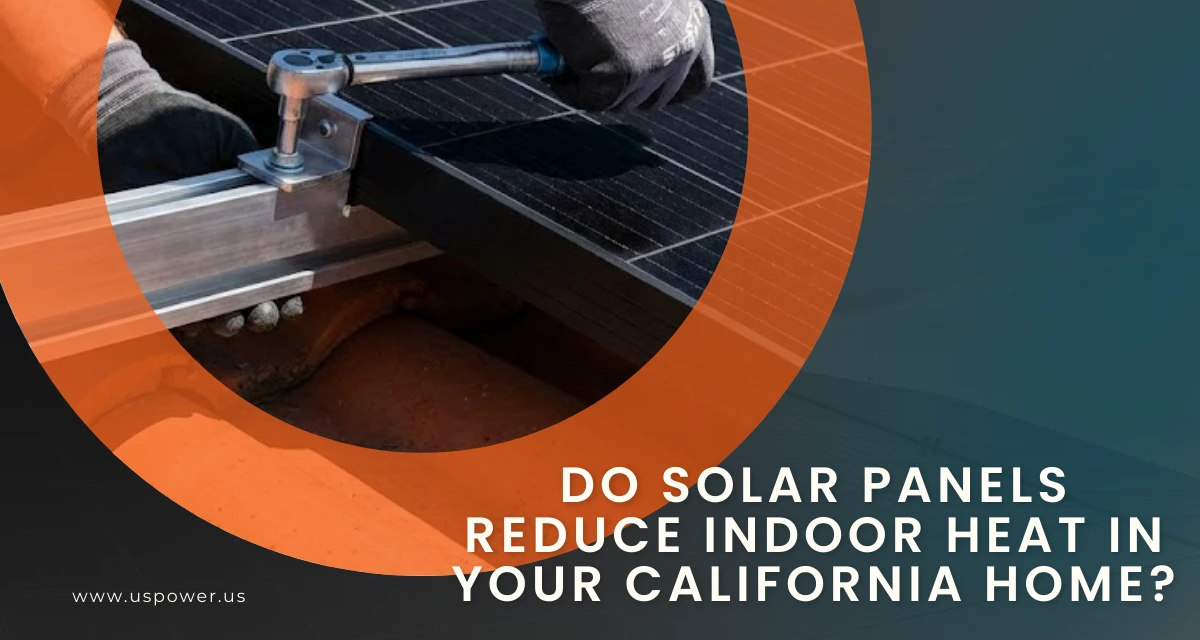
Your roof is making your house hotter—here's how solar panels can help cool it down.

The 2025 solar install rush is already over. So is waiting finally the smart move?






Derechos de autor © 2025 US POWER | Energía solar y techosUS Power - Axia by QCells. All Rights Reserved.
¡Obtenga una estimación solar instantánea usando el satélite!