

If you're a Pasadena Water & Power customer comparing solar quotes and feeling overwhelmed — or overcharged — this guide explains what's really going on, why PWP's unique billing policy changes everything, and how to choose a trustworthy installer. URL Slug: pasadena-water-power-solar-quotes-2026.

You've done the right thing. You're comparing quotes, asking questions, and trying to make a smart decision before signing anything. And yet, after sitting through multiple solar presentations, you feel more confused — not less.
One company quotes you $43,000. Another says $28,000 for a similar system. Both promise the moon. Neither fully explains why there's a $15,000 gap. That gap isn't random. And understanding it is the first step toward making a choice you won't regret.
Here's what you also may not know yet: as a Pasadena Water & Power customer, you're sitting on one of the most favorable solar setups in all of Southern California. Most solar reps gloss right over it.
When you get a quote for a 9 kW solar system, you'd expect prices to be in the same ballpark across companies. They're not — and that's intentional.
Large national installers like Sunrun carry enormous overhead: TV ads, call centers, door-to-door sales teams, and regional managers. That overhead gets baked into your quote. You're not just paying for panels; you're paying for their marketing budget.
The moment you know how to compare solar quotes in California, those inflated numbers become much easier to spot. Cost per watt is your best tool. According to EnergySage, the California average in 2026 is around $2.49–$2.52 per watt before any incentives. If your quote lands at $3.50+ per watt for panels alone — before a battery — that's a red flag worth questioning.
A legitimate solar quote should give you everything you need to make an informed decision without you having to ask: system size in kW, panels brand and efficiency, inverter model, estimated annual production in kWh, cost per watt, and warranty terms broken out clearly.
If a company is being vague about any of those items — or rushing you with deadline pressure — that's not transparency. That's a tactic.
When California's Public Utilities Commission overhauled net energy metering rules in 2023, it dramatically cut the credit rate that SCE and PG&E customers earn for sending excess solar back to the grid. This change — known as NEM 3.0 — is the reason so many solar companies now aggressively push batteries on those customers.
But Pasadena Water & Power is a municipal utility. Those changes do not apply to you.
Under PWP's Net Surplus Compensation program, every kilowatt-hour your panels produce and send back to the grid earns a credit at the full retail energy rate — currently 19.8¢/kWh — not a discounted wholesale rate. PWP even offers a 6.6¢/kWh bonus if you opt into monthly or bi-monthly metering instead of annual reconciliation.
This is a foundational difference. Understanding PWP's net energy metering advantage means you can make smarter decisions about system sizing and whether a battery is actually necessary for your situation — rather than buying one because a salesperson told you to.
On top of favorable net metering, PWP offers a direct solar rebate of $0.20 per watt, up to $4,000. For a 9 kW system, that's a $1,800 reduction right off the top — before any other savings stack in.
The hidden benefits of going solar in Pasadena go beyond just the rebate. Your electricity rate is 18% above the national average, and PWP rates have been climbing roughly 3.5% per year. At that pace, today's 19.8¢/kWh becomes nearly 28¢/kWh within a decade. Every year you wait is another year of compounding costs locking in.
Because PWP credits excess solar at the full retail rate, you don't need a battery to maximize financial returns the way SCE or PG&E customers do. Your panels alone can earn strong bill credits throughout the year.
That said, there are real reasons to consider one. PWP uses time-of-use (TOU) pricing, with peak rates of 29¢/kWh from 3–8pm June through September. A battery that stores your midday solar production and discharges during those peak hours can shave meaningful costs off your bill. For 2026, whether batteries are worth it for California solar depends heavily on your usage patterns and how much backup power matters to you.
A Tesla Powerwall 3 adds roughly $13,000 to a system quote before incentives. That's a significant investment on top of your solar costs. For some households — especially those with medical equipment, young children, or wildfire risk anxiety — the peace of mind is worth it. For others, a well-sized solar-only system is the smarter financial move.
Get clarity on this before you sign anything. Ask specifically: "What is my payback period with and without the battery?" Any reputable company should give you that comparison in writing.
There's a common misconception that a higher quote signals higher quality. Sometimes it does. More often, it signals a company with a massive marketing operation that you're subsidizing.
Learning to avoid overpriced solar quotes comes down to asking the right questions: What's the cost per watt? Is the equipment tier-1 and warrantied? Who handles service calls after installation?
Hyundai panels (as quoted in one of your examples) are a perfectly functional panel brand. But they're not the same tier as American-manufactured QCells panels, which carry a different performance warranty and long-term degradation profile. When you're spending $30,000+, that difference compounds over 25 years.
The concern about Tesla's installation delays is legitimate and well-documented in homeowner communities. A company with a 3–4 week installation-to-permission-to-operate (PTO) timeline isn't the norm — it's the exception. Most large national installers work on timelines measured in months, not weeks.
US Power is an exclusive QCells partner, which means pricing comes factory-direct — typically 15–20% below market rate for the same panel quality. QCells panels are manufactured in Dalton, Georgia, and are among the highest-rated in long-term durability and efficiency.
When it comes to QCells vs. Tesla solar panels, the comparison isn't just about the hardware. It's about who stands behind the product. US Power backs every installation with a 25-year comprehensive warranty covering panels, workmanship, and performance — not just the equipment itself.
US Power's CSLB-licensed consultants are trained to educate, not close. You'll get a clear, itemized quote that shows your cost per watt, projected annual savings, estimated payback period, and a side-by-side with-battery vs. without-battery comparison.
With 200+ five-star Google reviews and a 3–4 week installation timeline after PWP approval, US Power operates the way a local specialist should: fast, accountable, and focused on long-term savings.
One of the most common points of anxiety for new solar buyers is the timeline. Between permits, utility interconnection, and final PTO, the process can feel opaque.
Understanding the solar installation timeline in California demystifies each stage: design approval, permit submission, installation day, PWP inspection, and finally PTO — the moment your system turns on and starts earning bill credits. With an experienced installer who knows PWP's specific interconnection process, that timeline is predictable and manageable.
Your last 12 months of PWP bills are the single most useful thing you can bring to a consultation. Your consultant will calculate your annual kWh consumption, design a system sized to your actual usage, and show you your projected savings year-by-year — not a vague promise, but a real financial model.
Pasadena homeowners have a rare combination of advantages: a municipal utility with favorable net metering, a direct rebate program, and above-average electricity rates that make solar returns strong. The only variable left is who you trust with the installation.
PWP rates will keep climbing. The sooner your system goes live, the sooner those credits start working in your favor — and the longer your 25-year warranty protects your investment.


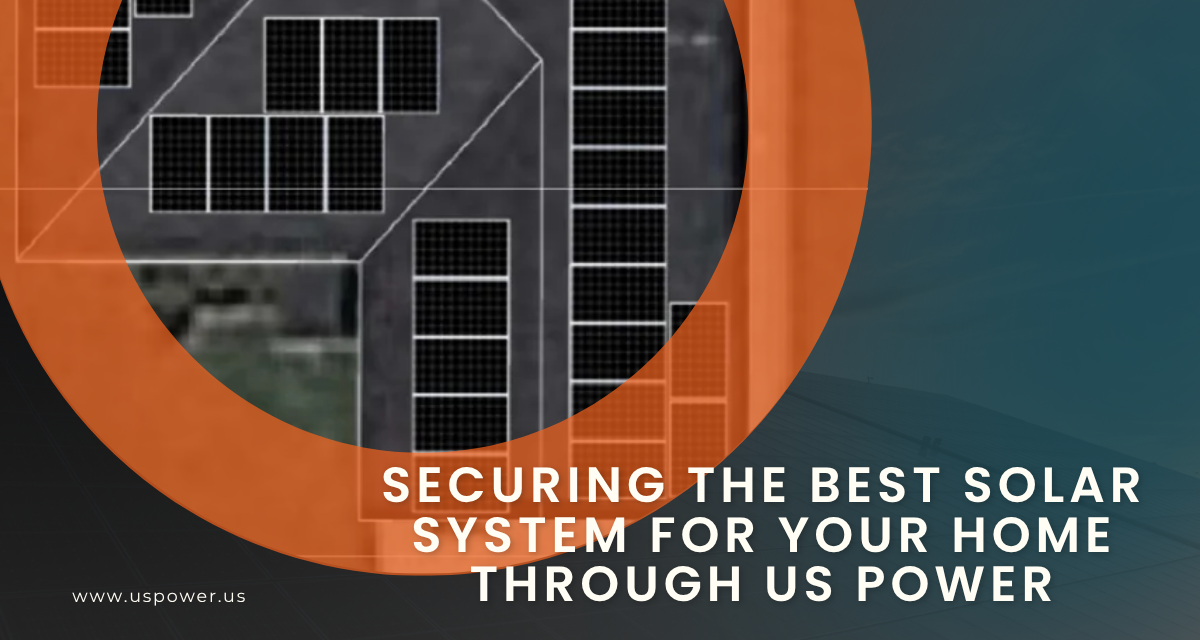
Go solar the right way! Install Qcells panels hassle-free through US Power.
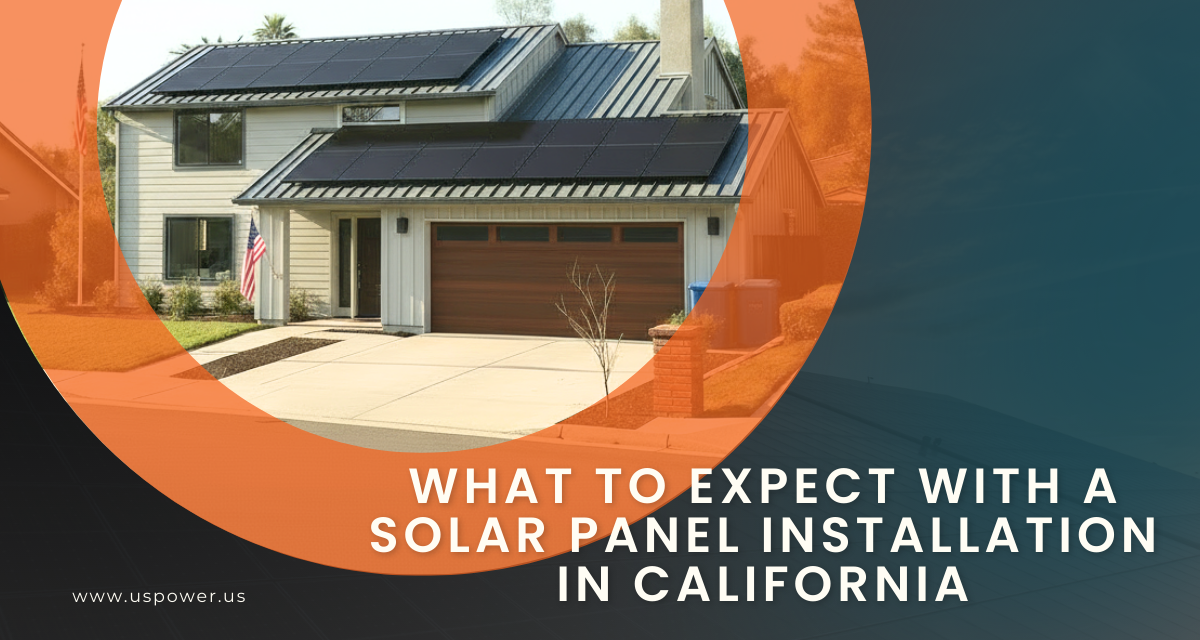
Here’s what California homeowners can expect when switching to solar with US Power.

Save more with affordable and smart solar financing or cash option with US Power.









¿Estás listo para ser dueño de tu poder? ¡Llámenos hoy mismo!
818-650-8010Contractor License #: 1144368

Derechos de autor © 2025 US POWER | Energía solar y techosUS Power - Axia by QCells. All Rights Reserved.
¡Obtenga una estimación solar instantánea usando el satélite!