

El crédito por exportación solar de PG&E cayó casi un 75% bajo NEM 3.0. Aquí le explicamos cuánto paga en 2026 y cómo maximizar sus ahorros.
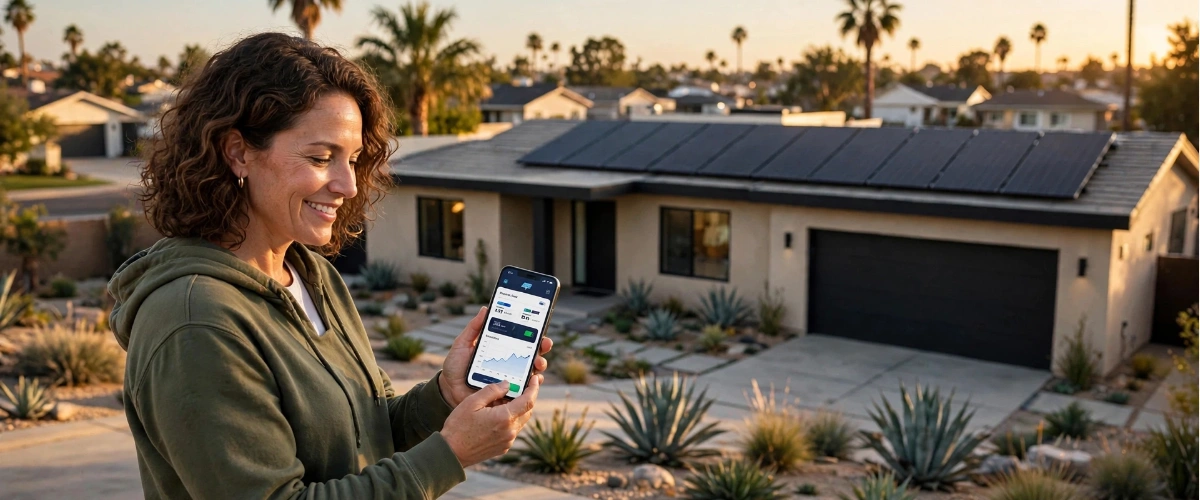
La mayoría de los clientes de PG&E con NEM 3.0 reciben créditos por exportación que promedian entre $0.05 y $0.09 por kWh por la producción a mediodía, con valores más altos durante las horas pico de la tarde. Su tarifa depende de la fecha de interconexión y de su plan.
Instaló paneles solares para dejar de pagar de más a PG&E. Luego se enteró de que su crédito por exportación no es el mismo que recibió su vecino hace dos años, y ahora se pregunta si las cuentas siguen saliendo a cuenta.
Aquí tiene la respuesta corta: en 2026, PG&E paga mucho menos por la energía solar exportada que antes. Pero eso no significa que la energía solar haya dejado de ser rentable. Significa que la estrategia ha cambiado. Esta guía detalla las cifras reales, las razones de la caída y cómo los propietarios en California siguen reduciendo sus facturas de electricidad a la mitad.
Si compara sus datos con los de un vecino que instaló paneles solares en 2021, las cifras no coincidirán. PG&E renovó la forma en que compensa a los propietarios por la energía que sus paneles envían a la red, y el cambio fue significativo.
La Tarifa de Facturación Neta de California, conocida como NEM 3.0, reemplazó el antiguo sistema de crédito uno a uno. Bajo NEM 2.0, exportar un kilovatio-hora de energía solar le otorgaba casi la misma tarifa que pagaba al comprarlo. Bajo NEM 3.0, ese crédito se basa en el "costo evitado" para la empresa eléctrica, no en el precio minorista que usted paga.
El resultado: los créditos por exportación cayeron aproximadamente un 75%. En lugar de ganar cerca de $0.30 por kWh, la mayoría de los clientes solares de PG&E ahora reciben entre $0.05 y $0.09 por kWh por las exportaciones al mediodía, con breves picos durante las horas de mayor demanda por la tarde.
En 2026, la tarifa residencial promedio de PG&E se sitúa en torno a los $0.39 por kWh, y los precios pico bajo planes como E-TOU-C pueden superar los $0.45 por kWh durante las tardes de verano. Mientras tanto, su crédito por exportación por ese mismo kilovatio-hora suele ser una fracción de lo que paga para comprar energía. Esa brecha es la clave de la economía solar en 2026.
Los propietarios que aseguraron su sistema antes de abril de 2026 podrían seguir calificando para la facturación estilo NEM 2.0 por un tiempo limitado, pero las nuevas interconexiones caen bajo la estructura de exportación actual. Si no está seguro de qué tarifa se aplica a su hogar, uno de nuestros consultores con licencia CSLB puede revisar los detalles de su cuenta y explicárselo en términos sencillos.
Es útil entender por qué el crédito cayó tan drásticamente, ya que esto cambia la forma en que debería diseñar su sistema de ahora en adelante.
PG&E ya no acredita sus exportaciones a la tarifa minorista. En su lugar, utiliza la Calculadora de Costos Evitados de California, que estima lo que le habría costado a la empresa eléctrica generar o comprar esa energía en otro lugar. Esa cifra varía según la hora y la temporada. Las exportaciones al mediodía, cuando la producción solar es mayor y la demanda de la red es menor, son las que menos valor tienen. Las exportaciones nocturnas durante los picos de demanda pueden valer significativamente más, llegando a veces a dispararse durante condiciones extremas en verano.
Los propietarios de viviendas que fijaron su fecha de interconexión con anterioridad también pueden calificar para un complemento ACC Plus, un pequeño crédito adicional que se suma a la tarifa base de exportación durante los primeros años del programa. Es modesto, pero se acumula con el tiempo.
El plan tarifario en el que le coloca PG&E también determina el valor real de la energía solar para su hogar. Ya sea que tenga E-TOU-C, E-TOU-D o E-ELEC, sus horas pico, precios fuera de pico y asignación base son diferentes. Hemos desglosado la comparación de planes tarifarios de PG&E en detalle si desea ver cuál se ajusta al patrón de consumo de su hogar. Elegir el plan correcto puede cambiar su factura anual en cientos de dólares en cualquier dirección.
Nada de esto significa que la energía solar haya dejado de tener sentido en California. Significa que la estrategia ganadora ha cambiado: de exportar tanta energía como sea posible a consumir más de la que usted mismo produce.
Bajo NEM 2.0, enviar el excedente solar a la red era la decisión inteligente. Bajo NEM 3.0, suele ser lo contrario. Una batería doméstica le permite almacenar la energía barata que producen sus paneles al mediodía y utilizarla durante las costosas horas pico de la tarde de PG&E, en lugar de volver a comprarla a $0.45 o más por kWh.
Es por esto que la mayoría de los nuevos sistemas solares en California ahora se combinan con opciones de almacenamiento en baterías solares. No es una venta adicional, se ha convertido en la base de cómo la energía solar realmente se paga sola bajo las reglas actuales. Muchos propietarios también combinan baterías con un cargador para vehículos eléctricos o un sistema de energía de respaldo, y añadir un collar de medidor para respaldo de batería puede hacer que esa instalación sea más rápida y económica al evitar una costosa actualización del panel eléctrico.
Sobredimensionar un sistema solar para acumular créditos de exportación tenía sentido hace años. Ya no. Un sistema ajustado estrechamente al consumo real de su hogar, dimensionado con espacio para necesidades futuras como un vehículo eléctrico o una bomba de calor, tiende a ofrecer un mejor rendimiento que una matriz más grande que persigue unos ingresos por exportación que apenas existen. Este es uno de los mayores errores que vemos en los costos actuales de instalación solar en California: propietarios que pagan por una capacidad que nunca utilizarán de manera eficiente.
Muchas de las propuestas que circulan por el sur de California todavía se basan en suposiciones de exportación obsoletas. Así es como los propietarios terminan decepcionados con su primera factura.
Como socio exclusivo directo de fábrica para paneles solares Qcells directos de fábrica, diseñamos sistemas basados en cuánta energía consume realmente su hogar, no en cuánta puede instalar técnicamente en su techo. Cada sistema viene con una garantía integral de 25 años que cubre paneles, mano de obra y rendimiento, para que no se arriesgue con equipos que no cumplen con lo prometido después de una década.
Cada mes que espera es otro mes con las tarifas actuales de PG&E. US Power pasa de la aprobación a la instalación en 3 a 4 semanas, y ofrecemos opciones flexibles de financiación solar para que comenzar no requiera un pago inicial global. Nuestros consultores con licencia CSLB le explicarán los precios de forma transparente y sin cargos ocultos antes de que firme nada.
Los créditos de exportación más bajos cambian la forma de su curva de ahorro, pero no la eliminan. Comprender de dónde proviene el valor real le ayuda a establecer expectativas realistas antes de firmar un contrato.
Los ingresos por exportación nunca fueron el principal motor del ahorro solar, ni siquiera bajo NEM 2.0. La mayor ventaja siempre ha sido evitar por completo los aumentos en las tarifas minoristas. Las tarifas de PG&E han subido constantemente durante años, y cada kilovatio-hora que generas y consumes tú mismo es uno que no tendrás que comprar al precio que PG&E establezca el próximo verano. Esa es la lógica que sigue siendo muy sólida en 2026, incluso con créditos de exportación más bajos.
Si ya tienes paneles solares sin batería, añadir una solía implicar una costosa actualización del panel eléctrico. Un adaptador de medidor cambia esto al conectar el equipo nuevo directamente en el medidor en lugar de en el panel principal de tu hogar, lo que a menudo ahorra miles de dólares y semanas de trámites de permisos. Es una de las formas más sencillas de adaptar un sistema NEM 2.0 antiguo para aprovechar al máximo la estructura tarifaria actual.
El crédito de exportación de PG&E disminuyó y no volverá a ser lo que era. Pero los propietarios que están viendo ahorros reales en 2026 no buscan ingresos por exportación. Están utilizando un sistema del tamaño adecuado, a menudo combinado con una batería, para evitar por completo las crecientes tarifas de PG&E. Ese cambio de estrategia, y no un techo más grande lleno de paneles, es lo que hace que la energía solar valga la pena hoy en día.


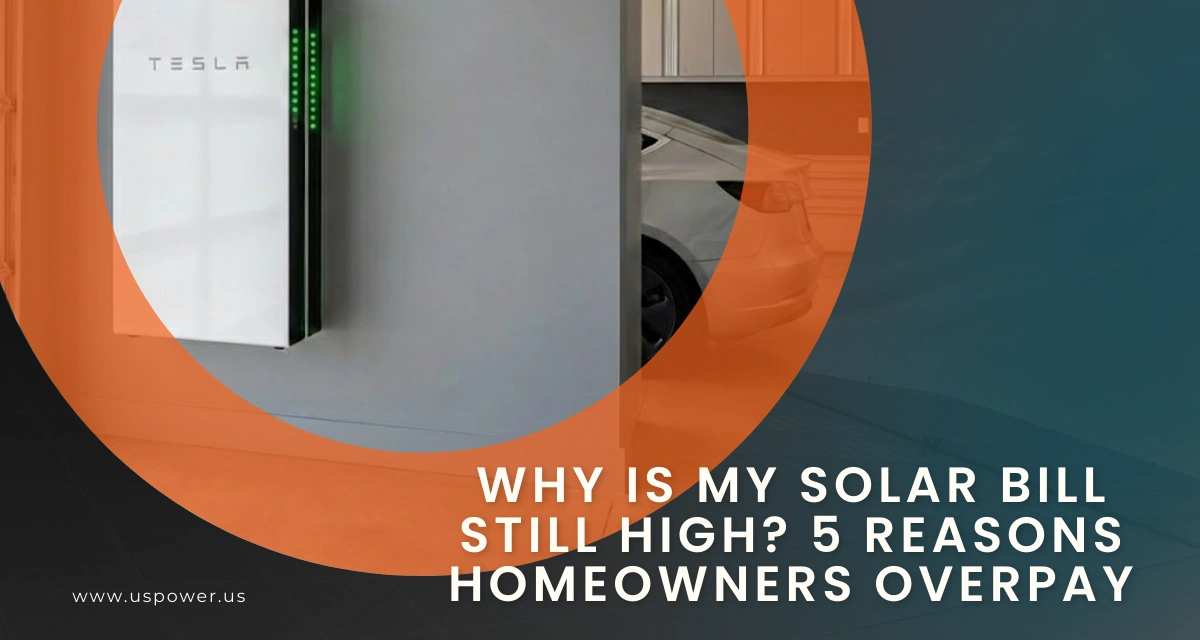
Paneles solares en una casa de California. Facturas altas. ¿Qué salió mal aquí?

Guía de California 2025 para una instalación solar segura, legal y económica.
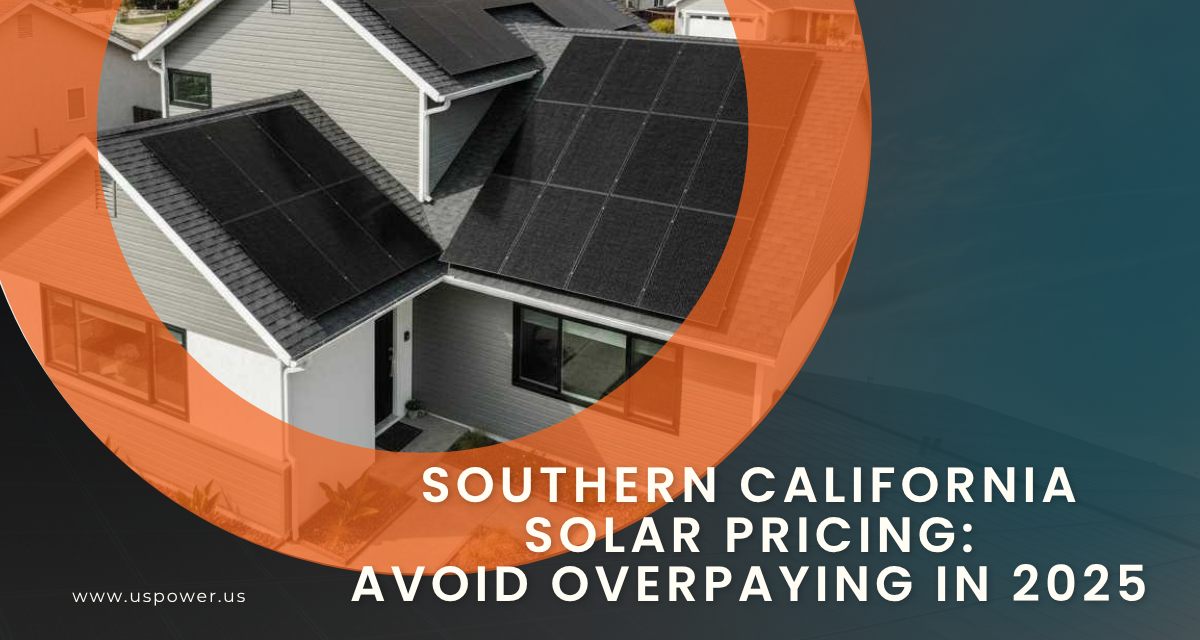
Obtenga precios solares claros con datos verificados y evite estafas de instaladores.







¿Listo para tomar el control de tu energía? ¡Llámanos hoy!
818-650-8010Licencia de contratista n.º: 1144368

Copyright © 2026 US Power - Axia by QCells. Todos los derechos reservados.
¡Obtenga un presupuesto solar al instante mediante satélite!