
Compare Q.TRON AC modules to traditional solar systems. Expert analysis of pricing, warranties, and performance for Southern California homeowners in 2025.

If you've been collecting solar quotes lately, you've probably noticed something: not all systems are built the same way. Some installers pitch Q.TRON AC modules. Others push traditional panel-plus-inverter setups from Jinko or similar brands. The terminology alone can feel overwhelming.
This guide cuts through the noise. We'll compare Q.TRON AC technology to conventional solar configurations side by side — covering real pricing, warranty protections, performance differences, and what actually matters for homeowners in California, Texas, Florida, and Illinois in 2026. Whether you're getting your first quote or comparing several, this is the analysis you need before you sign anything.
And with rising electricity costs in Southern California making the financial case for solar stronger than ever, the system you choose today will determine your savings for the next 25 years.
Most homeowners focus on the wrong number when comparing solar quotes. They look at panel wattage or cost per watt and assume the lower price wins. But the architecture of the system — how the panels, inverters, and wiring interact — determines your real-world performance, reliability, and long-term savings.
Two systems with identical panel wattage can deliver very different energy output, carry wildly different warranty protections, and cost dramatically different amounts to service over 25 years. That gap is where the Q.TRON AC vs. traditional system comparison gets interesting.
Southern California Edison customers are facing a 12.9% rate increase in 2026, and the long-term trend is clear: utility rates have climbed more than 80% over the past decade with no signs of stopping. PG&E is also restructuring bills in 2026, introducing a new Base Services Charge of about $24 per month — meaning even customers who use less electricity will see a higher baseline bill.
In this environment, your solar system's efficiency, degradation rate, and long-term output aren't just technical specs. They're the numbers that determine whether your investment pays off in 5 years or 10.
Traditional solar installations require two separate products: solar panels and microinverters (or a string inverter), installed independently on your roof. Each panel generates DC power, which then has to travel to an inverter before it becomes usable AC electricity in your home.
Q.TRON AC modules take a completely different approach. QCells engineers the microinverter directly into the panel at the factory. Every module arrives as a single, integrated unit — panel and inverter already combined. This "plug-and-play" design is not just a convenience feature. It fundamentally changes how the system is installed, warrantied, and serviced.
To understand exactly how AC and DC solar systems differ and how each impacts your backup power options, it helps to know the basics before your consultation.
The Q.TRON BLK M-G2.H1+/AC 430 uses N-Type TOPCon (Tunnel Oxide Passivated Contact) cells, which represent the current high-water mark in residential solar cell technology. N-Type cells reduce electron recombination losses compared to older P-Type PERC cells, which translates to better performance in real-world heat and partial shading conditions.
Each panel delivers 430 watts of output at up to 22.0% module efficiency, with a factory-integrated microinverter running at 97% CEC efficiency. The result is a system that converts more of the sun's energy into usable electricity from the moment it's installed — and continues doing so with minimal loss over decades.
Both Q.TRON AC modules and traditional systems using separate Enphase microinverters provide module-level power optimization. This means if one panel is shaded by a tree or a chimney, only that panel's output drops — not the whole array.
This is a major advantage over older string inverter systems, where one shaded panel can drag down the performance of every other panel on the same string. For most California, Texas, Florida, and Illinois rooftops, which deal with at least some partial shading throughout the day, module-level optimization is worth prioritizing.
Here's the spec that most homeowners overlook — and it may be the most important one. QCells guarantees the Q.TRON AC will degrade at just 0.38% per year after the first year, retaining 90.58% of its original output at the 25-year mark.
Compare that to the Jinko Eagle N-Type panels commonly offered as an alternative. Jinko's warranted annual degradation rate runs at 0.7% — nearly double the QCells rate. Over 25 years, that difference compounds:
For a 15 kW system, that gap means roughly 1,200 watts more usable capacity from QCells panels in year 25 — worth hundreds of dollars annually at current and projected utility rates.
One note on bifacial panels: while Jinko and some other brands offer bifacial panels that capture light reflected off surfaces behind the panel, residential rooftop applications see minimal benefit from this feature. Rooftops lack the reflective ground surfaces and clearance that bifacial panels need to deliver their rated gain.
With a traditional solar system, your panels are covered by one manufacturer and your microinverters by another. If something fails at year 14 and both companies point fingers at each other, you're the one stuck navigating two separate warranty processes.
Q.TRON AC modules eliminate that problem entirely. Because the panel and microinverter are manufactured and warranted by the same company — QCells — there is one point of contact, one warranty claim process, and zero finger-pointing. Understanding your solar panel warranties for California homes before signing a contract is one of the most important steps homeowners can take.
QCells backs the Q.TRON AC with a 25-year product warranty covering both the panel and the integrated microinverter, plus a 25-year linear performance warranty guaranteeing 98.5% output in year one and a minimum of 90.58% after 25 years.
For comparison, Jinko's Eagle series carries a 12-year product warranty and a separate 25-year performance guarantee. That means if a panel physically fails in year 15 due to a manufacturing defect, you may be on the hook for replacement costs — even if the performance guarantee remains active.
QCells manufactures panels at its Dalton, Georgia facility — the largest solar manufacturing plant in the United States. This matters more in 2026 than it ever has. Chinese and Southeast Asian manufacturers face tariffs ranging from 40% to over 3,500% depending on country and manufacturer, making imported panels increasingly expensive and potentially unavailable.
Panels manufactured domestically are insulated from those trade dynamics entirely. For more on what that means for homeowners evaluating brand options, the complete guide to QCells solar panels covers the full picture on manufacturing, certifications, and performance data.
Because the microinverter is already factory-integrated, installers eliminate several steps that add time and complexity to traditional installations: separate microinverter mounting, DC wire management, and combiner box setup. The result is an installation that takes 20-40% less time than a comparable traditional system.
For homeowners, that means less disruption and a faster path to Permission to Operate (PTO) — the utility approval that lets you actually turn the system on. US Power's 3-4 week installation timeline after approval is made possible in part by this streamlined process. If you want to understand every step between signing and going live, this solar installation timeline guide walks through it clearly.
Traditional systems run high-voltage DC electricity across your entire roof before converting it to AC at the inverter. Q.TRON AC modules convert DC to AC power at each individual panel, eliminating those long high-voltage DC runs entirely.
This reduces the risk of DC arc faults — a known fire risk in roof-level solar installations — and simplifies compliance with rapid shutdown requirements. It's a genuine safety improvement, not just a marketing talking point.
The 30% federal Investment Tax Credit expired on December 31, 2025. That changes the financial calculation, but it doesn't change the core case for solar — utility bills continue rising, and a well-sized system still delivers strong returns.
For a typical Southern California homeowner running a 15 kW system and producing roughly 18,000 kWh annually, the savings against SCE's current rates are substantial. How much solar can save you in California depends on your system size, utility rates, and time-of-use plan — but the trend is consistently favorable as rates continue climbing.
State and local incentives remain available in several markets. California's SGIP battery rebate program continues to support storage additions, which are increasingly important under NEM 3.0.
Under California's NEM 3.0 billing structure, export credits for excess solar sent to the grid are significantly lower than under the previous program. This shifts the economics toward self-consumption — using the solar energy you generate rather than exporting it.
That's where battery storage becomes critical. The Q.TRON AC system integrates seamlessly with QCells' Q.HOME CORE battery, allowing you to store excess daytime production and use it during peak evening hours when utility rates are highest. Learn more about adding battery storage to your solar system and whether it makes sense for your home.
US Power operates as an exclusive QCells partner, which means factory-direct pricing — typically 15-20% below what you'd pay through a distributor. That's not a discount offered to every installer. It's the result of a direct manufacturer relationship that passes savings to you without sacrificing quality.
With 200+ five-star Google reviews and CSLB licensing, US Power brings the accountability and local expertise that national solar chains can't match. For homeowners weighing different installers, see why QCells panels outperform the competition when paired with the right installer.
A solar system operates for 25-30 years. The installer you choose today is the company you'll call in year 12 when something needs attention. US Power backs every installation with a 25-year workmanship warranty, proactive monitoring, and rapid response service — not a call center that routes you to a third-party contractor.
The Q.TRON AC system includes access to QCells' Q.OMMAND monitoring platform, which provides real-time production data at the individual panel level. If one panel underperforms due to shading, soiling, or a fault, you'll know about it immediately rather than discovering the problem months later on your electricity bill.
The homeowner-facing Q.OMMAND HOME app connects via iOS and Android, showing live production data, historical performance trends, and system health alerts. This integrated monitoring eliminates the need for separate third-party monitoring hardware and gives you genuine visibility into your investment. Smart monitoring can boost your solar savings significantly by catching underperformance early and helping you optimize usage patterns.
The comparison is clear. Q.TRON AC modules bring integrated design, superior degradation rates, unified warranty coverage, domestic manufacturing, and factory-direct pricing together in one system. Traditional configurations can work well too, but they require more coordination — across components, manufacturers, and warranty claims — over the life of the system.
What doesn't change regardless of which system you choose: electricity rates are rising, and every month you delay is another month paying full utility rates with no offset. With US Power's 3-4 week installation timeline after approval, the path from decision to savings is shorter than most homeowners expect.


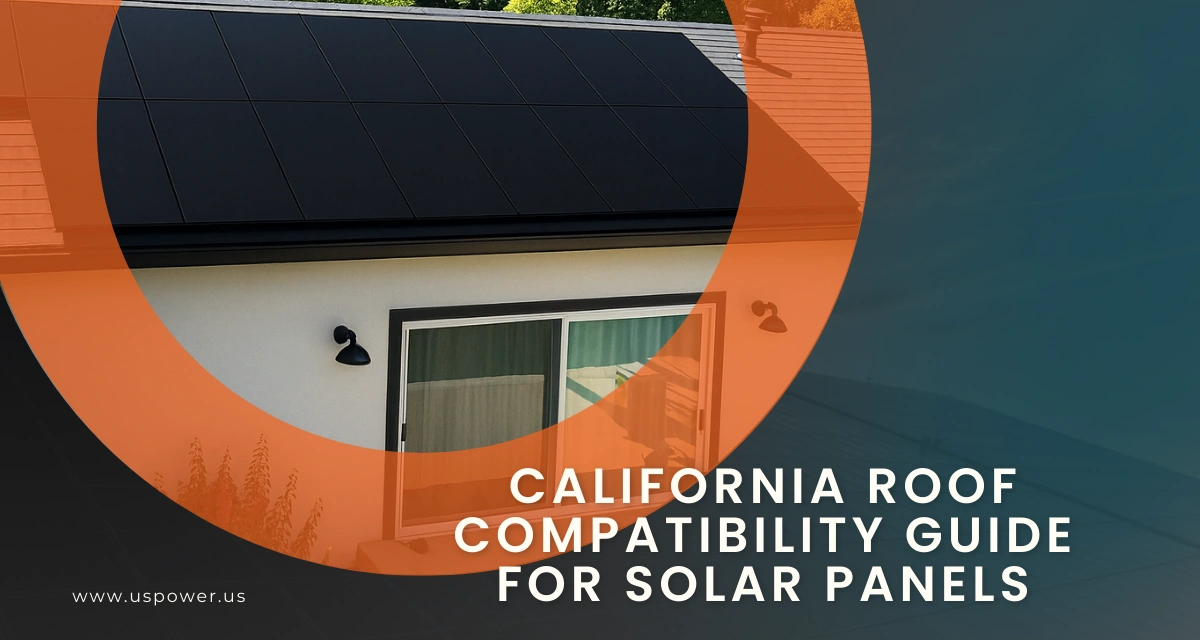
Your residential roof type in CA should not stop you from saving on electricity.

Get clarity on solar panel sizes, wattage, and roof space requirements for your home.
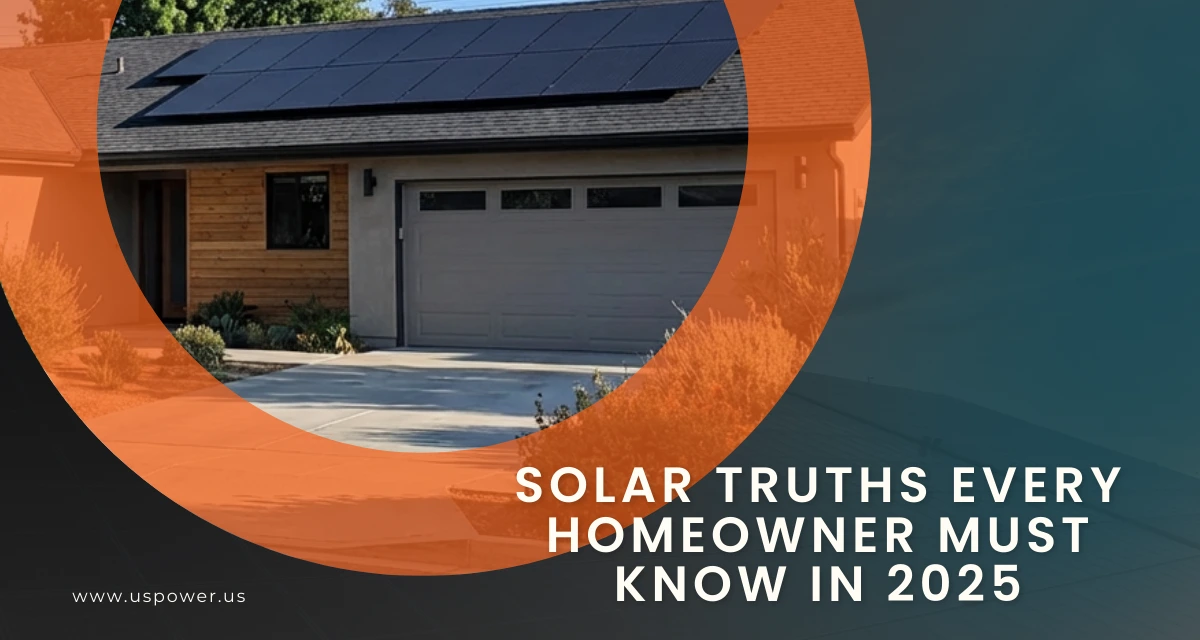
Important solar system facts and tips from US Power for smart energy choices in 2025.







¿Estás listo para ser dueño de tu poder? ¡Llámenos hoy mismo!
818-650-8010Contractor License #: 1144368
Derechos de autor © 2025 US POWER | Energía solar y techosUS Power - Axia by QCells. All Rights Reserved.
¡Obtenga una estimación solar instantánea usando el satélite!