

Rising SCE rates? Learn how solar panels and batteries help Southern California homeowners reduce bills and maximize incentives before 2025 ends.
.webp)
If you're an SCE customer in Southern California, you've felt it: bills that used to be $150–$200 a month are now pushing $300, $400, even $600 in summer. In October 2025, SCE raised its average residential rate by roughly 13%—and more increases are already approved through 2028.
Understanding how SCE's time-of-use (TOU) rates work is the first step to fighting back. The second step is doing something about it. This guide breaks down SCE's 2026 rate plans, explains why pairing solar with battery storage is the most effective protection available, and shows you exactly how Southern California homeowners are cutting their bills with US Power's American-made QCells systems.
SCE's rates have increased 83% over the past decade, according to the Public Advocates Office. In October 2025 alone, the average residential rate jumped from 31.2¢ to 35.3¢ per kWh—a 13% increase. A small January 2026 adjustment brought it to 34.5¢, but that's still nearly double the U.S. national average of around 18¢ per kWh.
The reasons behind the increases are real but frustrating: wildfire mitigation, grid modernization, infrastructure upgrades, and the new Base Services Charge introduced in November 2025. More rate increases are already approved through 2028. For a homeowner using 800 kWh per month, that's an extra $80–$120 per month compared to just three years ago.
You can learn more about why electricity bills are so high in Southern California in our deep-dive guide, but the short answer is: this trend isn't slowing down.
Under SCE's time-of-use plans, what you pay per kilowatt-hour depends heavily on when you use electricity. During summer weekday evenings, some TOU plans charge as much as 74¢ per kWh—more than four times the national average.
That's not a typo. If you're running your AC, cooking dinner, and charging your phone between 5–8 PM on a July Wednesday, you're paying premium prices for every single watt.
This plan sets peak hours from 4–9 PM on weekdays. The summer on-peak rate reaches 58¢ per kWh, with off-peak rates significantly lower. It includes a baseline credit of about 10¢ per kWh up to your monthly allocation, which can help moderate bills for moderate users.
This plan works best for homeowners who can consistently shift large appliances—laundry, dishwasher, EV charging—to after 9 PM or before noon.
Peak hours run 5–8 PM, but don't let the shorter window fool you. Summer weekday on-peak rates can reach 74¢ per kWh—the highest of SCE's residential plans. For a home pulling 300 kWh during those hours in a summer month, that's $222 just for evening electricity.
If you can't reliably avoid using power between 5 and 8 PM, this plan can be brutal.
This is the plan SCE requires for all new solar customers under NEM 3.0. It comes with a fixed daily charge (roughly $24/month) in exchange for lower per-kWh rates throughout the day. The structure is deliberately designed for homes with solar panels, battery storage, EVs, or heat pumps.
For a full comparison of SCE time-of-use rate plans and which works best for your setup, see our dedicated plan breakdown.
Before April 2023, solar homeowners on NEM 2.0 could export excess daytime solar energy to the grid and receive near-retail-rate credits in return. NEM 3.0 changed that. Export credits dropped by roughly 75%, to around 8¢ per kWh—while peak import rates can still reach 74¢.
That gap is the core reason battery storage shifted from optional to essential. If your solar panels produce more than you use during the day, exporting to the grid earns you very little. Storing that energy in a battery and using it during the 5–9 PM peak window saves you dramatically more.
For everything you need to know about NEM 3.0 explained and how it affects your solar billing, we've covered it in full.
A well-designed solar + battery system under NEM 3.0 avoids the peak-rate window almost entirely. Your panels charge the battery during the day. The battery powers your home from late afternoon through evening. You draw from the grid only when necessary—at the cheapest off-peak rates.
Homeowners with the right setup can save 40–70% on their monthly SCE bill, even without the federal tax credit.
SCE's TOU structure creates a powerful financial case for battery storage. During summer, there's roughly a 24¢ per kWh spread between on-peak (58¢) and off-peak (34¢) rates on the TOU-D-4-9PM plan. On the TOU-D-5-8PM plan, that spread is even wider.
A 13.5 kWh battery cycling daily—charging off-peak, discharging during peak—can generate $730–$876 in annual bill savings through TOU arbitrage alone, according to energy modeling data. Add in the value of avoiding blackout vulnerability and the numbers get even better.
For a deep dive into solar and battery storage savings in California's current rate environment, including payback period estimates by usage level, check our full battery savings guide.
The short answer: under NEM 3.0 and SCE's TOU structure, yes—for most homeowners. High-usage households can hit payback periods under four years. Average users typically break even within six. After that, you're banking savings every single month while SCE rates keep climbing.
If you're still on the fence, our guide on whether batteries are worth it in California walks through the math at different usage levels and system sizes.
US Power is Southern California's exclusive QCells partner. That means American-made panels—no overseas manufacturing delays, no distributor markup. Homeowners typically pay 15–20% less than market price while getting panels from one of the most trusted names in solar technology.
QCells panels come with a 25-year comprehensive warranty covering panels, workmanship, and performance. When you're making a decision this big, that kind of long-term protection matters.
Most solar companies take months from quote to installation. US Power's streamlined process gets systems installed within 3–4 weeks of approval—with CSLB-licensed consultants, transparent pricing, and zero hidden fees.
With over 200 five-star Google reviews from Southern California homeowners, the track record speaks for itself. And if you're worried about protecting your home during grid failures during wildfire season or extreme heat events, pairing your solar with a battery gives you reliable backup power when the grid goes down.
Even before going solar, there are immediate steps SCE customers can take to lower their bills under TOU plans. Run your dishwasher, laundry, and pool pump before noon or after 9 PM. Charge your EV overnight. Pre-cool your home before 4 PM so your AC doesn't run as hard during peak hours.
Understanding how solar billing works in California after you install—including how your annual true-up statement works under NEM 3.0—can help you optimize your system usage from day one.
Consider a Sherman Oaks homeowner using 1,000 kWh per month on the TOU-D-5-8PM plan. During summer weekdays, 300 kWh used during peak hours costs $222 at 74¢/kWh. With a properly sized solar + battery system, that same household can power evenings almost entirely from stored solar, reducing their rising electricity costs in Southern California to a fraction of what they paid before.
The right system size depends on your roof, usage, and goals. That's exactly what a free US Power consultation helps you figure out—at no cost and no commitment.
SCE's TOU structure is designed to charge you the most when you need electricity most. Peak rates reaching 74¢ per kWh, a decade of sustained rate increases, and more hikes already approved through 2028—the math only gets worse if you stay on the grid alone.
Solar paired with battery storage flips that equation. Your panels generate power all day. Your battery stores it for the expensive hours. And you use the grid only when it works in your favor. With US Power's factory-direct QCells systems, Southern California homeowners in Pasadena, Sherman Oaks, Brentwood, and beyond are already paying a fraction of what they used to.
Get your free consultation today. No pressure, no hidden fees—just a clear picture of what solar could actually do for your household.



EcoRecycle integrates recycling with U.S. solar panel production. Learn the benefits.
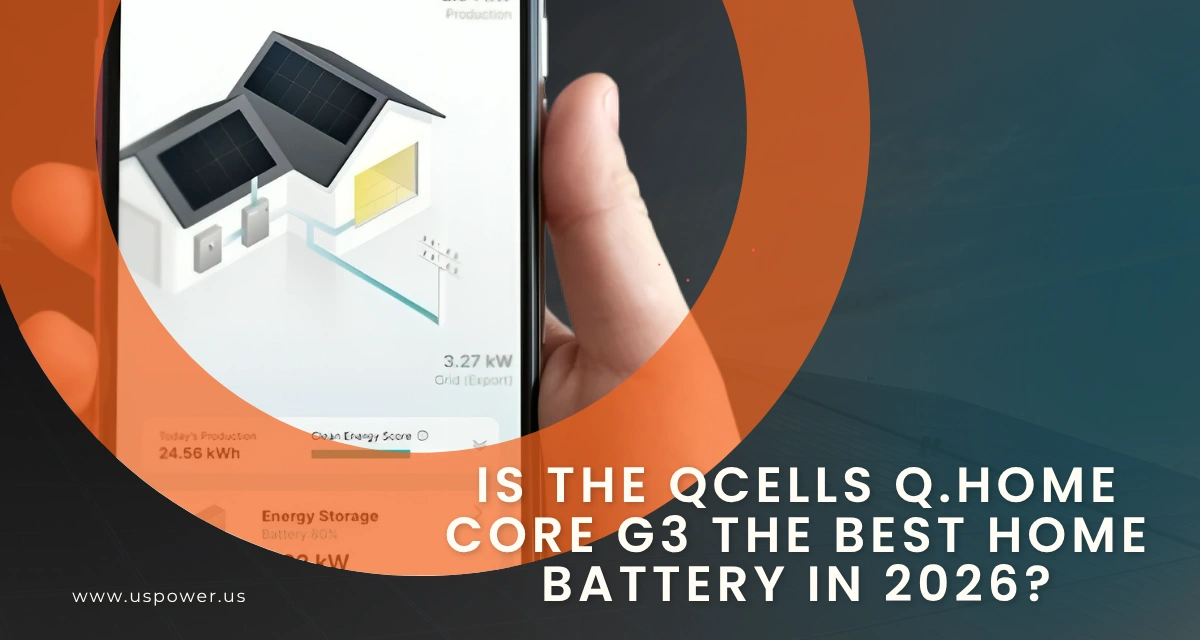
Your residential solar panels go to sleep at 5pm — right when your utility wakes up.

Discover how solar panels perform efficiently in California's diverse climates.







¿Estás listo para ser dueño de tu poder? ¡Llámenos hoy mismo!
818-650-8010Contractor License #: 1144368
Derechos de autor © 2025 US POWER | Energía solar y techosUS Power - Axia by QCells. All Rights Reserved.
¡Obtenga una estimación solar instantánea usando el satélite!