

Solar installation delays frustrate thousands of California homeowners every year. Permitting bottlenecks, utility backlogs, and inexperienced installers can stretch your wait to 6 months or more. Here's what's really happening and how to avoid it.
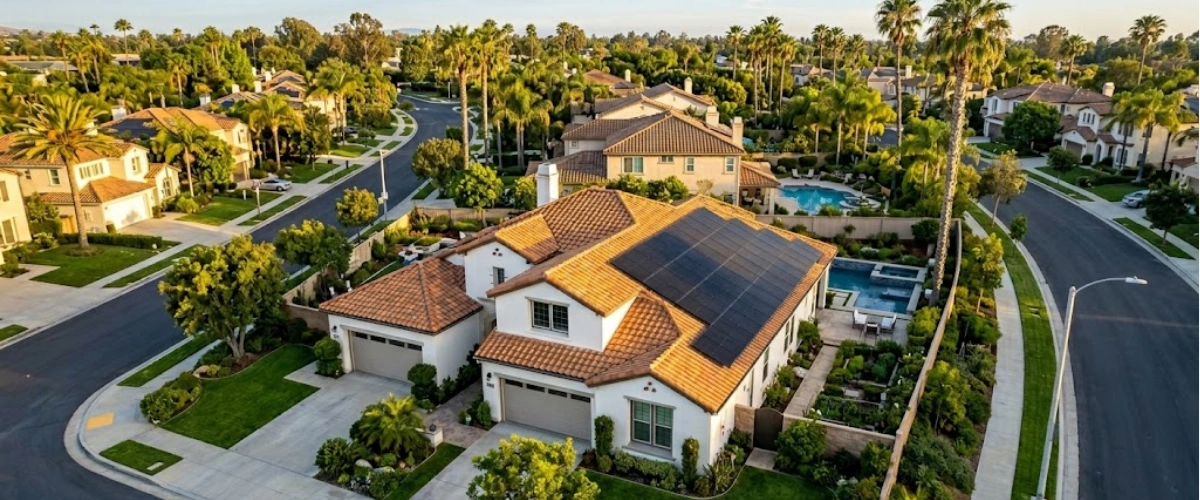
You signed the contract. The panels went up. Now you're waiting — and waiting — while your SCE or PG&E bill keeps climbing.
If your solar installation feels stuck, you're not alone. Most California homeowners are surprised to learn that panels on a roof is only the halfway point. The real bottleneck is everything that happens after installation day: city permits, utility approvals, and the bureaucratic maze known as Permission to Operate (PTO).
The average California solar project takes 3 to 6 months from contract to the moment your system goes live. But that number isn't fixed. The right installer can compress that timeline dramatically — and the wrong one can stretch it even further.
Here's what's causing the delays, what's in your control, and how to choose a company that actually gets you saving faster.
When a sales rep tells you "installation only takes a day or two," they're technically right — and completely misleading.
The physical installation of solar panels on your roof often takes just one day. What they're not telling you is that day comes weeks into a much longer process. Understanding each phase helps you set realistic expectations and catch red flags early.
After signing, a technician visits your home to assess your roof, electrical panel, and sun exposure. This data feeds into your system design and permit application.
A sloppy survey here causes problems downstream. Errors in your electrical specs or roof measurements lead to permit rejections — which can add 2–4 weeks to your total timeline.
Every residential solar installation in California requires a building permit from your local jurisdiction. Cities like Los Angeles, Burbank, and Pasadena each have their own requirements, review timelines, and correction cycles.
This is where most projects lose weeks. Incomplete applications get rejected and resubmitted. Each rejection resets the clock. An experienced installer who knows your specific city's requirements submits a complete package the first time — eliminating the most common cause of delays. You can learn more about how to get a solar permit in California and what the process involves.
Once permits are approved, your crew arrives. For most standard rooftop systems, the physical work takes one to three days depending on system size and roof complexity.
This is the shortest phase of the entire project — and the one homeowners picture when they think about "installation."
After installation, your city must inspect the work before your utility will consider your application. Then comes PTO — and this is where the real waiting happens in 2026.
Permission to Operate is the final green light from your utility — SCE, PG&E, or SDG&E. Without it, your panels cannot legally send power to your home or the grid, even if everything else is done.
In 2026, this step has become a serious problem for California homeowners.
SCE and PG&E currently meet their mandated interconnection review timelines only 27% to 45% of the time for certain review steps. That means the majority of projects experience delays beyond what the utility is legally supposed to allow.
Solar-only systems are averaging 4–6 weeks for PTO, while systems with battery storage are averaging 8–12 weeks, with some complex installations reaching 16 weeks. SCE has already announced it is limiting its Distribution Group Study window to a single period in 2026 — September 1 through September 30 — adding further bottlenecks for larger projects.
The situation has drawn political attention. In March 2026, California's Joint Legislative Audit Committee voted unanimously — 13 to 0 — to launch a state audit of the CPUC's oversight of these utility delays. Eighteen state legislators had already sent a formal letter demanding accountability.
Over 90% of interconnection applications contain errors that trigger revision cycles and delay PTO. Common rejection triggers include incomplete engineering documentation, as-built discrepancies where the installed system differs from approved plans, and battery storage complexity where export controls and operating modes aren't clearly documented.
Each deficiency notice from the utility doesn't just cause a delay — it can add weeks and shake your confidence in the entire process. This is why first-submission accuracy matters more than almost anything else your installer does. Smart homeowners research how to avoid permit headaches and speed up installation before choosing a company.
The solar industry has a real problem with companies that are great at selling and terrible at executing. Before the Reddit thread you might have read recently, solar professionals have been venting about this for years: "all-in-one" software demos that fall apart the moment a real AHJ or utility inspector gets involved, broken project management systems, and ops teams that quit from stress.
That chaos has real consequences for you as a homeowner. Here's what to watch for.
Ask any installer: "What is your average time from contract to PTO?" If they give you a range like "usually a few months" instead of specific numbers backed by past projects, that tells you something.
Installers who consistently finish fast have data. Those who don't track their own timelines are the ones most likely to leave you waiting. Check out this guide on choosing a solar company in Los Angeles for the exact questions to ask before signing.
Experienced local installers know each jurisdiction's specific requirements, preferred formats, and common rejection triggers. A company working your city for the first time is essentially learning on your project's dime.
Ask specifically about their first-time permit approval rate. A high rate means fewer delays, fewer resubmissions, and a faster path to your system going live. For a deeper look at the warning signs, this breakdown of 5 red flags when choosing a solar company in California covers the most important ones homeowners miss.
When no single person owns your project, it falls through the cracks. Phone photos get lost. Permit submissions get delayed. PTO applications sit in an inbox for days after approval.
Ask who your point of contact is from contract to activation — and whether they handle projects end-to-end or hand off between departments.
While the national average timeline runs 90–120 days from contract to system activation, US Power's average is 21–42 days — 50–60% faster than the industry average.
That difference doesn't come from cutting corners. It comes from a system designed around the specific realities of California solar.
US Power's permitting team maintains active relationships with AHJs throughout Southern California. They know Burbank's requirements. They know what Pasadena flags. They know how to format applications for each jurisdiction so they pass on the first submission.
The result: fewer rejections, no resubmission delays, and a permit process that runs in weeks instead of months. Read more about how US Power delivers solar faster than the competition.
As California's exclusive QCells partner, US Power sources panels directly from the manufacturer — not through distributors. Factory-direct pricing means 15–20% below typical market rates, and direct inventory relationships mean no supply chain delays stalling your project mid-process.
QCells panels are manufactured in Georgia with American-made quality standards, backed by a 25-year comprehensive warranty covering panels, workmanship, and performance.
Every US Power consultant is CSLB-licensed and operates with a no-hidden-fees pricing model. You'll know your full cost upfront, with no surprises at the end. Consultations are free — virtual or on-site — so you can get real numbers before making any commitment.
Understanding the full solar installation timeline in California helps you hold any installer accountable to clear milestones from day one.
Electricity rates in Southern California are not going down. SCE rates have climbed more than 83% over the past decade, with a 13% jump in October 2025 alone. Average residential rates now sit at 34.5¢ per kWh, with peak Time-of-Use rates reaching 74¢ during the 4–9 PM window.
The California Public Utilities Commission has already approved additional rate increases through 2028 for grid modernization and wildfire mitigation. Every month you delay is a month of paying those rates while your neighbors with solar are paying a fraction of that.
Under California's current Net Energy Metering structure, pairing solar with battery storage lets you maximize the value of every kilowatt you generate. Your battery stores excess daytime solar production and releases it during peak hours — the exact window when grid power is most expensive.
For most SCE customers, this combination turns a good investment into an excellent one. Explore how solar and battery systems protect California homes during outages and rate spikes.
Solar installation delays in California are real — but they're not inevitable. The difference between a three-month wait and a four-week timeline almost always comes down to one thing: who you hire.
Experienced local installers with strong AHJ relationships, first-time permit accuracy, and dedicated project management don't just save you time. They save you the money you'd otherwise keep paying to your utility while your system sits idle.
US Power has delivered 180+ five-star installations across Southern California with American-made QCells panels, factory-direct pricing, and a 25-year warranty that covers everything. The consultation is free. The savings start the day your system goes live.
The rates aren't waiting. You shouldn't either.


Learn how US Power installs solar efficiently without compromising quality.
Cómo se comparan el Interruptor de Respaldo y el Gateway 3 en términos de costo.

From summer highs to marine layer lows, here is your solar reality check guide.







¿Estás listo para ser dueño de tu poder? ¡Llámenos hoy mismo!
818-650-8010Contractor License #: 1144368

Derechos de autor © 2025 US POWER | Energía solar y techosUS Power - Axia by QCells. All Rights Reserved.
¡Obtenga una estimación solar instantánea usando el satélite!