
Los propietarios de viviendas en California, Texas y Florida se hacen la misma pregunta: ¿realmente se ven mejor los paneles solares totalmente negros y valen el costo adicional? La respuesta depende de la marca, la tecnología y quién los instale. En esta guía, analizamos qué hace que un panel sea realmente "totalmente negro", cómo se compara QCells con la competencia y por qué la estética y el rendimiento no tienen por qué estar reñidos en 2026.
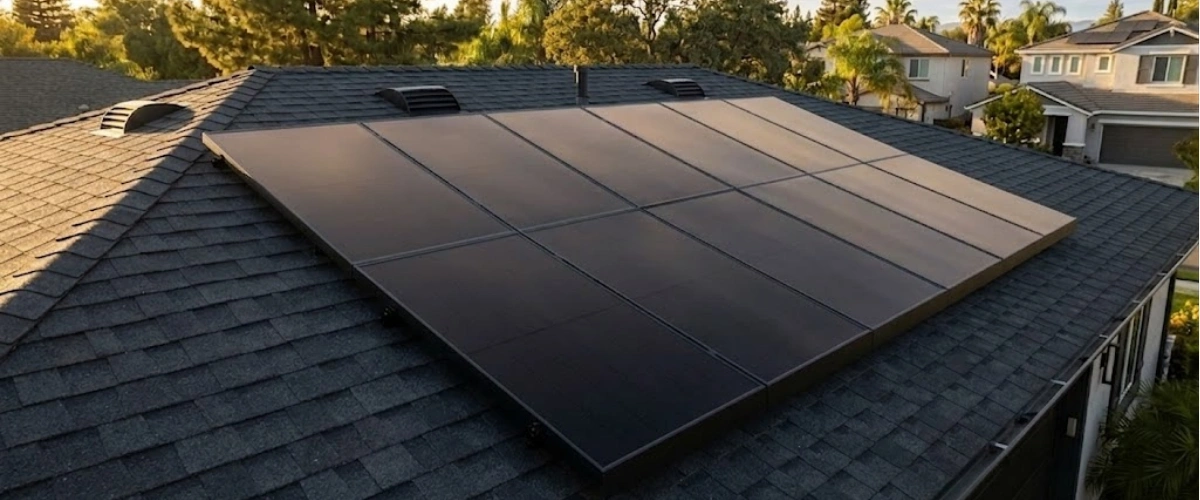
Depende de la marca, la tecnología y el instalador. Los paneles totalmente negros suelen costar entre un 10 y un 20% más al principio, pero su mejor estética, la rapidez en la aprobación de la asociación de propietarios y el aumento del valor de la propiedad pueden ayudar a compensar la diferencia.
Probablemente los haya visto: lisos, oscuros y casi invisibles sobre el techo. Los paneles solares totalmente negros se han convertido en la opción preferida para los propietarios que desean energía limpia sin sacrificar la estética de su hogar. Pero con tantas marcas que prometen una "estética premium", es difícil saber cuáles cumplen realmente y cuáles solo se ven bien en un folleto.
La buena noticia es que no tiene que elegir entre estilo y rendimiento. El panel totalmente negro adecuado puede ofrecer ambos. Y en 2026, con las tarifas eléctricas en California promediando 34.5 centavos por kWh —y en constante aumento—, elegir el panel correcto es más importante que nunca.
Esto es lo que todo propietario debe saber antes de instalar paneles solares.
Durante años, los paneles solares tuvieron un problema de reputación. Marcos plateados, celdas con tonos azules y cableado visible. Los propietarios en vecindarios exclusivos, o aquellos con restricciones de asociaciones de vecinos (HOA), sentían que debían elegir entre ahorrar dinero o mantener la apariencia de su hogar.
Eso ha cambiado. Considerar paneles totalmente negros para su hogar ya no es una petición inusual; se está convirtiendo rápidamente en el estándar. De hecho, los paneles totalmente negros representan ahora más del 80% de las nuevas instalaciones solares residenciales en todo el país, ya que los paneles policristalinos azules han sido prácticamente eliminados desde 2023.
No todos los paneles que se ven oscuros son realmente totalmente negros. Hay tres componentes que deben ser correctos:
Si alguno de estos componentes es plateado o blanco, verá líneas de contraste visibles, exactamente el aspecto que la mayoría de los propietarios intenta evitar. Confirme siempre los tres con su instalador antes de firmar cualquier contrato.
Cuando los propietarios en el hilo de Reddit que inspiró este artículo mencionaron a QCells por su nombre como una de las mejores opciones estéticas, no se basaban solo en la apariencia. La serie Q.TRON BLK M-G2+ de QCells es el panel residencial insignia totalmente negro de la marca, y es realmente impresionante.
Esto es lo que lo hace destacar:
Los paneles solares totalmente negros de QCells no solo se ven bien; están diseñados para mantener su buen aspecto y rendimiento durante décadas.
Esto es importante por algo más que patriotismo. QCells ensambla sus paneles Q.TRON BLK en sus instalaciones de Dalton, Georgia, la operación de fabricación solar más grande del hemisferio occidental a partir de 2026. Los paneles solares fabricados en Estados Unidos no están sujetos a la misma incertidumbre arancelaria que afecta a marcas fabricadas en China como Jinko y JA Solar, lo que significa precios estables y disponibilidad confiable para su instalación.
Los propietarios suelen comparar QCells con otras opciones premium totalmente negras. Aquí presentamos un análisis honesto:
REC Alpha Pure Black — Eficiencia ligeramente superior (más del 23%) y una excelente tasa de degradación de solo el 0.25% anual. Es una opción sólida, pero suele tener un precio más alto que QCells y cuenta con menos soporte de instaladores en California.
Maxeon (anteriormente SunPower) — Paneles hermosos con una base de seguidores dedicada. Los precios premium (más de 6 dólares por vatio instalado en algunos mercados) y la reciente inestabilidad financiera han hecho que los propietarios sean cautelosos.
Jinko Tiger Neo All-Black — Precios competitivos y una sólida potencia de más de 420W. Sin embargo, Jinko es una empresa con sede en China, lo que significa que la exposición a los aranceles podría afectar rápidamente el precio o la disponibilidad.
Canadian Solar HiKu Black — Confiables y a buen precio, pero fabricados fuera de EE. UU. con una incertidumbre arancelaria similar a la de Jinko.
Al sopesar la eficiencia, la garantía, la estabilidad de precios y la fabricación nacional, QCells frente a la competencia siempre sale ganando para los propietarios de California, Texas y Florida que desean un panel con el que puedan contar durante más de 25 años.
Aquí hay algo que la mayoría de los instaladores no le dirán de entrada: usar estructuras de montaje plateadas con paneles totalmente negros arruina todo el propósito estético. El contraste entre los rieles plateados y el marco negro es visible de inmediato y resulta discordante.
US Power realiza instalaciones con rieles y herrajes negros a juego, y canaliza todos los conductos y el cableado a través del ático siempre que sea posible. El resultado final parece como si los paneles hubieran sido diseñados como parte del techo, no atornillados sobre él.
No se trata solo de la apariencia. Cómo los paneles solares aumentan el valor de la vivienda está bien documentado: las casas con energía solar en el sur de California se venden un 13% más rápido en promedio. Los paneles totalmente negros añaden un nivel extra: se ven mejor en fotografías, atraen a compradores conscientes del diseño y no generan las mismas objeciones estéticas que los sistemas antiguos con marcos plateados.
Los estudios sugieren que los sistemas totalmente negros de alta gama contribuyen a un aumento del valor de la propiedad del 6–7% — ligeramente superior al de los sistemas con marcos estándar en vecindarios comparables.
Muchas asociaciones de propietarios en California tienen normas sobre la apariencia de los paneles solares, pero la ley de California (Código Civil, Sección 714) limita su capacidad para prohibir la energía solar por completo. Lo que sí pueden hacer es exigir paneles que minimicen el impacto visual. Los paneles totalmente negros, especialmente cuando se combinan con herrajes de montaje negros, son casi siempre el camino de menor resistencia para obtener la aprobación de la HOA.
US Power es el socio exclusivo de venta directa de fábrica de QCells en California. Esa relación elimina el margen de beneficio del distribuidor que la mayoría de las otras empresas solares incluyen en sus presupuestos, que suele ser del 15–20% del costo total de su sistema. Con precios de fábrica de QCells, usted obtiene el mismo panel de alta gama a un precio significativamente menor.
Las más de 200 reseñas de cinco estrellas en Google no son solo sobre los paneles, sino sobre la experiencia: precios transparentes, sin cargos ocultos y una garantía integral de 25 años que cubre los paneles, la mano de obra y el rendimiento, todo bajo un mismo techo.
La mayoría de las empresas solares en California tardan de 8 a 12 semanas desde el contrato hasta el Permiso para Operar (PTO). US Power completa las instalaciones de manera constante en 3–4 semanas después de la aprobación — uno de los plazos más rápidos del estado. Con las tarifas de SCE y PG&E subiendo cada pocos meses, eso es dinero real ahorrado.
El propietario de Reddit que inició esta conversación planeaba instalar paneles montados en la pared orientados al sur, una de las mejores orientaciones posibles para la producción solar en California, Texas y Florida. Dicho esto, los paneles totalmente negros funcionan bien en una variedad de orientaciones y tipos de techo, incluidos los techos planos con estructuras de montaje inclinadas.
Si se pregunta cómo elegir los mejores paneles solares para su hogar específico, el ángulo del techo, las tarifas de servicios públicos locales y los patrones de sombra influyen en la configuración correcta. Eso es exactamente lo que evalúan los consultores de US Power durante una evaluación gratuita en el lugar.
Un inconveniente legítimo que vale la pena conocer: los paneles totalmente negros absorben un poco más de calor que los paneles con marco plateado, lo que puede reducir el rendimiento real en un 2–3% durante el calor máximo del verano. El QCells Q.TRON BLK soluciona esto con un coeficiente de temperatura de -0.34% por °C — uno de los más bajos de su clase, lo que significa que maneja el calor de California y Texas mejor que la mayoría de las opciones totalmente negras de la competencia.
Los paneles solares totalmente negros no son solo una mejora estética; son la opción más inteligente a largo plazo para los propietarios que se preocupan por el valor de su propiedad, el cumplimiento de las normas de la HOA y aprovechar al máximo una inversión de 25 años.
El Q.TRON BLK de QCells ofrece lo que la mayoría de los paneles totalmente negros prometen pero pocos cumplen: estética genuina, calidad de fabricación estadounidense y eficiencia de tipo N que resiste el calor de los veranos en California y Texas.
Con el aumento de las tarifas de servicios públicos y sin señales de alivio por parte de SCE, PG&E o los proveedores de servicios públicos de Texas, cada mes sin energía solar es un mes de pago excesivo.


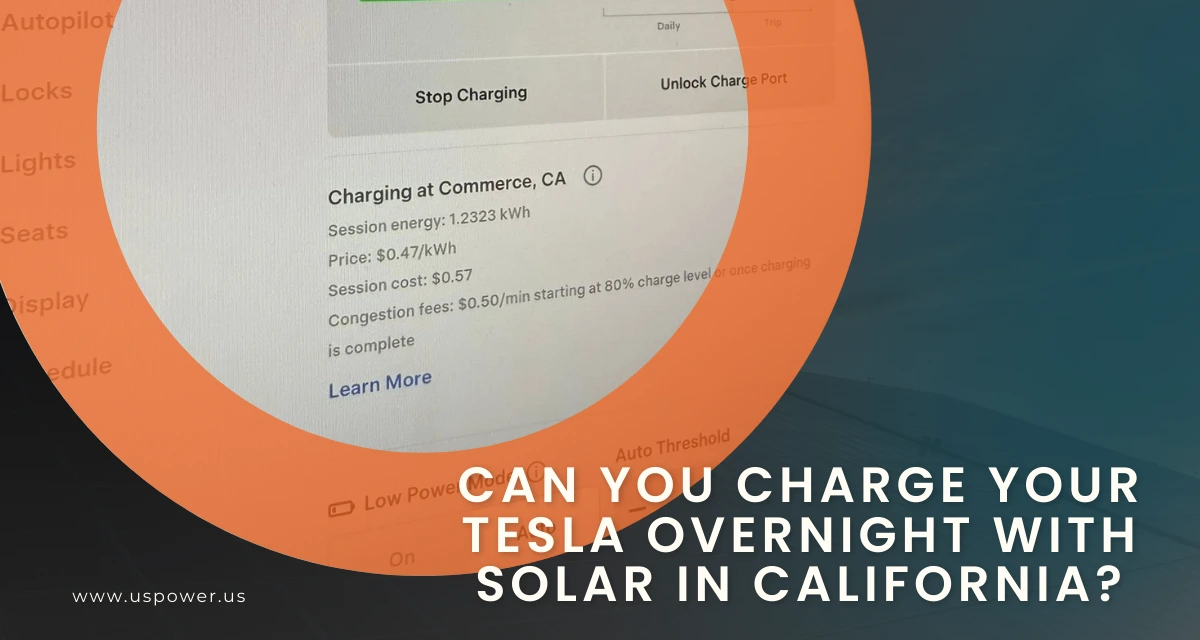
Carga de Tesla, Supercharging y ahorro solar fácil para propietarios de viviendas.
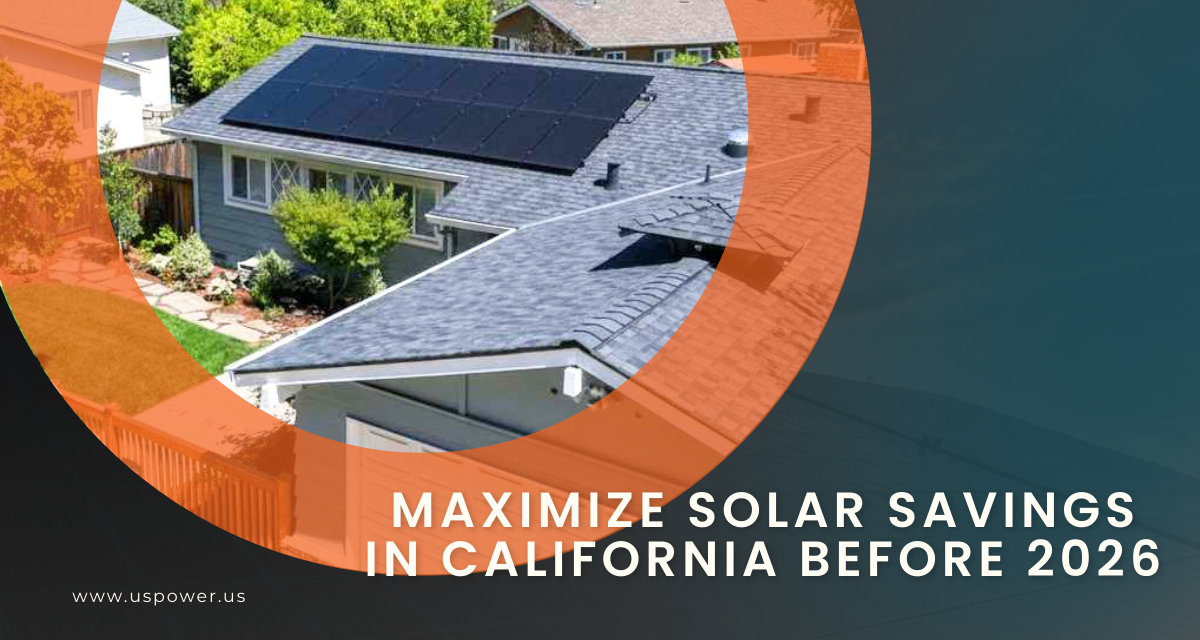
Domina los costos de energía con las tendencias solares 2025 en el sur de California.
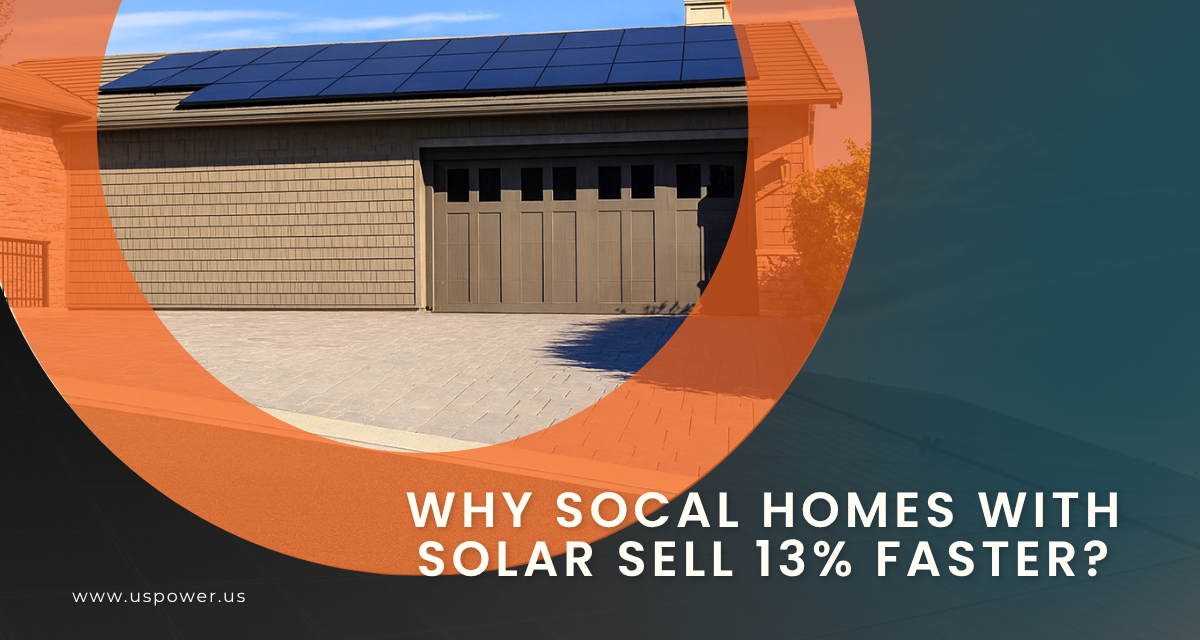
La energía solar aumenta el valor y acelera un 13% la venta de casas. ¡Instálela ya!





¿Listo para tomar el control de tu energía? ¡Llámanos hoy!
818-650-8010Licencia de contratista n.º: 1144368
Copyright © 2026 US Power - Axia by QCells. Todos los derechos reservados.
¡Obtenga un presupuesto solar al instante mediante satélite!