
¿Dudas entre los paneles Q.PEAK DUO y Q.TRON de QCells? La diferencia de 1500 $ no es solo cuestión de vatios, sino de una tecnología que se adapta al entorno solar único del sur de California.
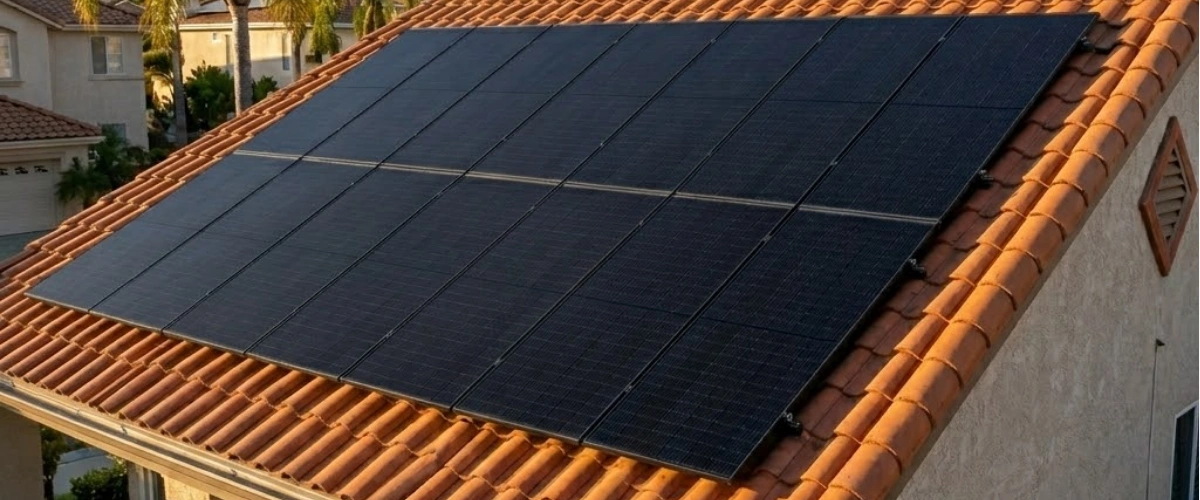
Para muchos propietarios en el sur de California, sí, especialmente bajo NEM 3.0. La mayor eficiencia y la degradación más lenta de Q.TRON pueden resultar rentables a lo largo de 25 años, aunque vale la pena evaluar la diferencia de precio de aproximadamente $1,500 en función de su consumo.
Estás comparando presupuestos de energía solar y notas algo confuso. Un instalador presupuesta 14 paneles Q.PEAK DUO BLK ML-G10+, mientras que otro recomienda 13 paneles Q.TRON BLK M-G2+ por 1500 $ más. Ambos son QCells. Ambos parecen similares sobre el papel. Entonces, ¿a qué se deben esos 1500 $?
Este escenario exacto se repite a diario para los propietarios del sur de California que evalúan opciones de energía solar. Con las tarifas de SCE promediando 34,5 centavos por kWh en 2026 —y en aumento—, elegir el panel adecuado es más importante que nunca. Pero descifrar las especificaciones técnicas no debería requerir un título en ingeniería.
Esto es lo que necesitas saber sobre estos dos modelos de QCells, por qué varía el precio y cuál tiene sentido realmente ante el aumento de las tarifas eléctricas en el sur de California.
Vamos a dejar de lado la jerga de marketing y a mirar los números reales.
Este es el caballo de batalla residencial de confianza de QCells. Utiliza tecnología PERC, el mismo diseño de celda que ha alimentado millones de hogares desde 2015.
Especificaciones clave:
Este es el panel de tipo N más reciente de QCells que utiliza tecnología TOPCon. Es lo que sucede cuando los fabricantes de energía solar superan los límites de la eficiencia.
Especificaciones clave:
Los números cuentan parte de la historia. Pero esto es lo que significan para tu hogar en el sur de California.
La diferencia de 1500 $ no es arbitraria. Estás pagando por tres mejoras significativas.
El Q.TRON produce 440 W frente a los 415 W máximos del Q.PEAK. Esa diferencia de 25 vatios puede parecer pequeña, pero se acumula en todo su sistema.
Para un sistema típico de 5.7 kW, necesitaría 14 paneles Q.PEAK (5,810 W) frente a 13 paneles Q.TRON (5,720 W). Es un panel menos ocupando espacio en el tejado, algo fundamental si tiene un techo más pequeño o problemas importantes de sombra.
Aquí es donde el clima del sur de California cobra relevancia. Los paneles solares pierden eficiencia a medida que las temperaturas superan los 25 °C (77 °F). El coeficiente de temperatura del Q.TRON de -0.29%/°C supera al -0.347%/°C del Q.PEAK.
Cuando su tejado alcanza los 45 °C (113 °F) en una tarde de julio en el Valle de San Fernando, el Q.TRON pierde aproximadamente un 6.4% de su producción, frente a la pérdida del 7.3% del Q.PEAK. Tras 25 años de veranos calurosos, esa diferencia se nota.
Los paneles solares no se rompen, simplemente producen menos electricidad de forma gradual. El Q.TRON se degrada un 0.33% al año, frente al descenso anual del 0.5% del Q.PEAK.
Después de 25 años, su sistema Q.TRON sigue produciendo el 90.58% de su potencia original. El Q.PEAK cae al 86%. Para un sistema de 5.7 kW, eso supone unos 260 vatios extra de producción cuando usted tenga 50 o 60 años.
Esta es la razón por la que QCells es la opción solar más inteligente para los propietarios que planean quedarse en sus casas a largo plazo.
Antes de profundizar en la decisión entre G10+ y G2+, veamos por qué ambos paneles superan a las alternativas económicas.
QCells no es solo otro fabricante de paneles solares. Fueron pioneros en la tecnología PERC a principios de la década de 2000 y poseen más de 1,400 patentes. Tanto las líneas Q.PEAK como Q.TRON cuentan con la certificación "Quality Controlled PV" de TÜV Rheinland, el programa de pruebas más riguroso del sector.
Cada panel incluye protección Anti-PID (degradación inducida por potencial) y Anti-LeTID (degradación inducida por luz y temperatura elevada). No son términos de marketing, sino tecnologías reales que evitan los fallos prematuros comunes en paneles más baratos.
Puede explorar todos los detalles técnicos en nuestra guía completa sobre los paneles solares QCells.
Aquí es donde la cosa se pone técnica, pero sígame, porque es importante.
PERC significa Passivated Emitter Rear Cell (célula de emisor pasivado y contacto posterior). Añade una capa reflectante en la parte posterior de cada célula solar que hace rebotar la luz no utilizada a través de la célula para darle una segunda oportunidad de conversión.
Piense en ello como añadir espejos a un invernadero. Se aprovecha más luz en lugar de absorberla como calor residual. La tecnología PERC ha dominado el sector solar residencial desde 2015 porque es fiable, está probada y es rentable.
El tipo N se refiere a la forma en que se trata químicamente el silicio durante la fabricación. TOPCon (contacto pasivado por óxido de túnel) añade una capa de óxido ultrafina que reduce la recombinación de electrones; básicamente, se "pierden" menos electrones durante la generación de electricidad.
¿El resultado? Mayor eficiencia, mejor tolerancia al calor y una degradación más lenta. Es una tecnología más reciente que está reemplazando gradualmente a PERC en toda la industria.
Para los paneles QCells fabricados en EE. UU. ensamblados en Georgia, esto representa la vanguardia de la fabricación solar nacional.
La política de medición neta de energía (NEM) 3.0 de California cambió la economía solar en abril de 2023. A diferencia de NEM 2.0, que acreditaba la energía solar exportada a tarifas minoristas, NEM 3.0 paga solo entre 5 y 10 centavos por kWh por la electricidad enviada de vuelta a la red.
Esto hace que el autoconsumo sea fundamental. Cuanta más energía solar utilice directamente en lugar de exportarla, mejor será su rentabilidad.
Los paneles de mayor eficiencia producen más energía durante las mismas horas en las que usted está realmente en casa usando electricidad. La eficiencia del 22.5% del Q.TRON significa que genera más energía utilizable durante las horas de la mañana y la tarde, cuando el ángulo del sol es menos óptimo.
Durante las horas pico de electricidad (de 4 a 9 p. m. para la mayoría de los clientes de SCE), cada vatio adicional cuenta. Los paneles de alta gama maximizan la producción durante estas costosas franjas horarias.
La mayoría de los instaladores solares ahora recomiendan combinar los paneles con almacenamiento en baterías bajo NEM 3.0. Las baterías almacenan el exceso de producción solar diurna para su uso durante las costosas horas de la tarde.
La mayor potencia del Q.TRON significa que usted llena su batería más rápido y le sobra más para el consumo inmediato. A lo largo de 25 años, esto se traduce en miles de dólares ahorrados en compras a tarifas pico.
Obtenga más información sobre cómo las baterías solares maximizan sus ahorros bajo las políticas actuales de California.
Aquí es donde la conversación pasa de "¿qué panel es mejor?" a "¿qué panel ofrece mejor valor?".
US Power es el socio exclusivo de venta directa de fábrica de QCells en el sur de California. No compramos paneles a través de distribuidores o intermediarios; los obtenemos directamente de las instalaciones de QCells en Georgia a precio mayorista.
¿Ese sobreprecio de $1,500 por los paneles Q.TRON? Con el margen minorista típico, podría ser de $2,200 a $2,800 en otros instaladores. Nuestros precios directos de fábrica reducen la diferencia considerablemente.
Tampoco cobramos tarifas de distribuidor, tarifas de coordinación ni otros costos ocultos. Nuestros presupuestos incluyen todo: permisos, equipos, instalación, inspección y activación. Sin sorpresas el día de la instalación.
Compare nuestro enfoque con QCells frente a otras marcas premium para ver cómo varían los precios en el mercado.
Tras instalar más de 2,000 sistemas solares en Los Ángeles, el condado de Orange, Ventura, San Bernardino y Riverside, hemos aprendido qué es lo que realmente funciona.
Los paneles premium Q.TRON ofrecen el mejor valor si:
Tiene espacio limitado en el techo. Menos paneles de alta potencia significan que maximiza la producción sin cubrir cada metro cuadrado disponible. Esto es importante para hogares con techos complejos, chimeneas o tragaluces.
Planea quedarse en su hogar más de 15 años. La degradación más lenta y el mejor rendimiento ante el calor se acumulan a lo largo de las décadas. No solo está comprando paneles, está comprando una producción de electricidad constante hasta bien entrados sus 60 o 70 años.
Vive en zonas constantemente calurosas. Los hogares en Inland Empire, San Fernando Valley o comunidades desérticas experimentan temperaturas superiores a los 38°C (100°F) durante meses cada año. El coeficiente de temperatura superior de Q.TRON protege su producción.
Busca la máxima preparación para el futuro. La tecnología N-type TOPCon es la dirección que sigue la industria. En 10 años, si necesita ampliar su sistema, encontrar paneles PERC compatibles podría ser más difícil.
Los paneles estándar Q.PEAK siguen siendo una excelente opción si:
Tiene suficiente espacio en el techo. Si puede instalar 16-18 paneles sin problemas, añadir uno o dos paneles adicionales cuesta menos que actualizar todo su sistema a Q.TRON.
Prioriza un costo inicial más bajo. Si su presupuesto es ajustado o está financiando el sistema, Q.PEAK ofrece un rendimiento comprobado con una cuota mensual más baja.
Vive en zonas costeras con clima templado. Los hogares en Santa Monica, Malibu o la costa del condado de Orange rara vez experimentan calor extremo. La diferencia en el coeficiente de temperatura se vuelve menos significativa.
Ambos paneles cuentan con garantías idénticas de 25 años que cubren defectos de fabricación y garantías de rendimiento. Puede leer los detalles en nuestra guía sobre garantías de paneles solares para el sur de California.
Las especificaciones importan, pero ¿cómo funcionan realmente estos paneles en los techos del sur de California?
Realizamos un seguimiento de los datos de producción de más de 2,000 sistemas instalados. Esto es lo que hemos observado:
Los sistemas Q.TRON producen constantemente entre un 3% y un 5% más de electricidad que los sistemas Q.PEAK de tamaño comparable en los mismos vecindarios. Esa brecha se amplía durante los meses de verano, cuando las temperaturas superan los 35°C (95°F).
Un propietario en Los Ángeles con un sistema Q.TRON de 14 paneles (6.16 kW) generó 9,847 kWh en su primer año. Un vecino con una orientación de techo similar y 15 paneles Q.PEAK (6.225 kW) produjo 9,523 kWh. El sistema Q.TRON produjo más energía total a pesar de ser ligeramente más pequeño.
Esto coincide con lo que se puede esperar del rendimiento de los paneles QCells basado en miles de instalaciones reales.
La decisión entre Q.PEAK y Q.TRON no consiste en encontrar el panel "mejor", sino en encontrar el panel adecuado para su situación específica.
Ambas opciones ofrecen una calidad excepcional, una fiabilidad demostrada y una protección de garantía integral. Q.PEAK ofrece la tecnología PERC probada a un coste inicial menor. Q.TRON proporciona una eficiencia de tipo N de vanguardia con un mejor rendimiento a largo plazo.
En US Power, no presionamos para vender paneles premium con el fin de inflar nuestros márgenes. Somos el socio exclusivo de fábrica de QCells porque creemos en los precios transparentes y en las recomendaciones honestas. Nuestras consultas comienzan con su tejado, su presupuesto y sus objetivos, no con nuestras cuotas de ventas.
Le mostraremos estimaciones de producción para ambas opciones de paneles basadas en la disposición real de su tejado. Verá precios desglosados sin costes ocultos. Y obtendrá nuestra garantía integral de 25 años que cubre paneles, inversores, baterías y mano de obra: todo bajo una misma garantía.
La industria solar ya tiene suficientes términos confusos y vendedores insistentes. Tengamos una conversación directa sobre lo que realmente tiene sentido para su hogar.


Qué significa TOU-D-PRIME y cómo elegir la mejor tarifa de uso según el horario.
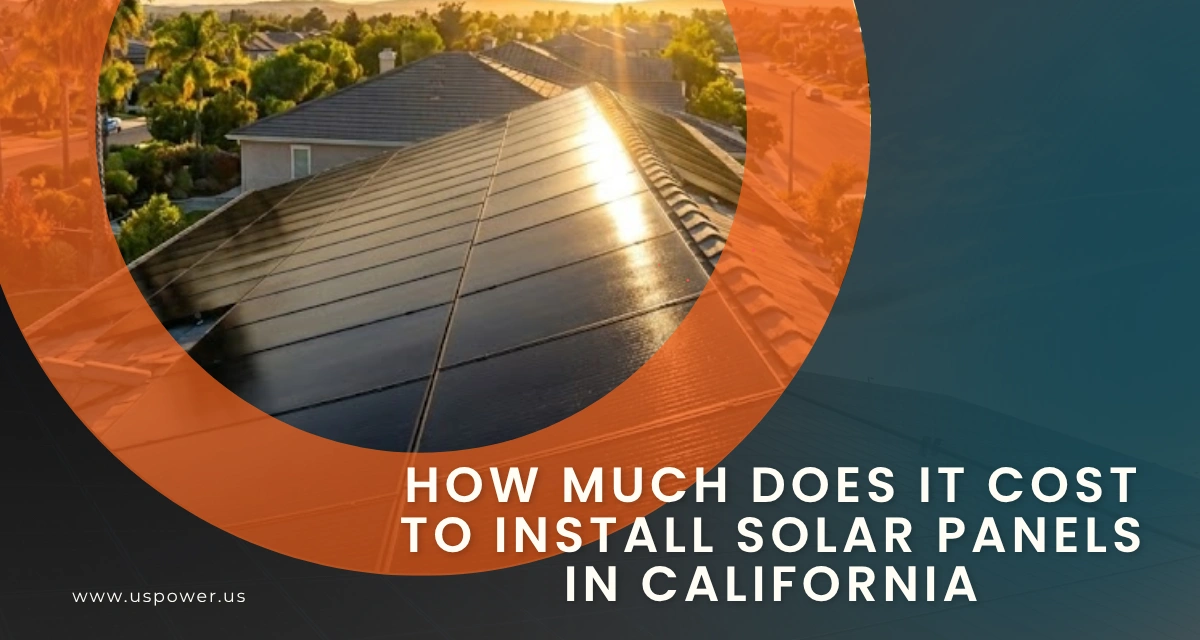
Nuestros vecinos reducen sus facturas a la mitad, esto es lo que cuesta realmente.

Reduzca sus costos de luz: la energía solar le protege de las subidas en California.







¿Listo para tomar el control de tu energía? ¡Llámanos hoy!
818-650-8010Licencia de contratista n.º: 1144368
Copyright © 2026 US Power - Axia by QCells. Todos los derechos reservados.
¡Obtenga un presupuesto solar al instante mediante satélite!