
Los propietarios de viviendas en California están descubriendo que los paneles solares por sí solos no los protegerán del aumento de las tarifas de SCE y PG&E en 2026. El sistema de almacenamiento de batería QCells Q.HOME CORE G3 cambia la ecuación: almacena su energía solar, reduce drásticamente las facturas nocturnas y mantiene su hogar con energía durante los cortes. Esto es lo que necesita saber.
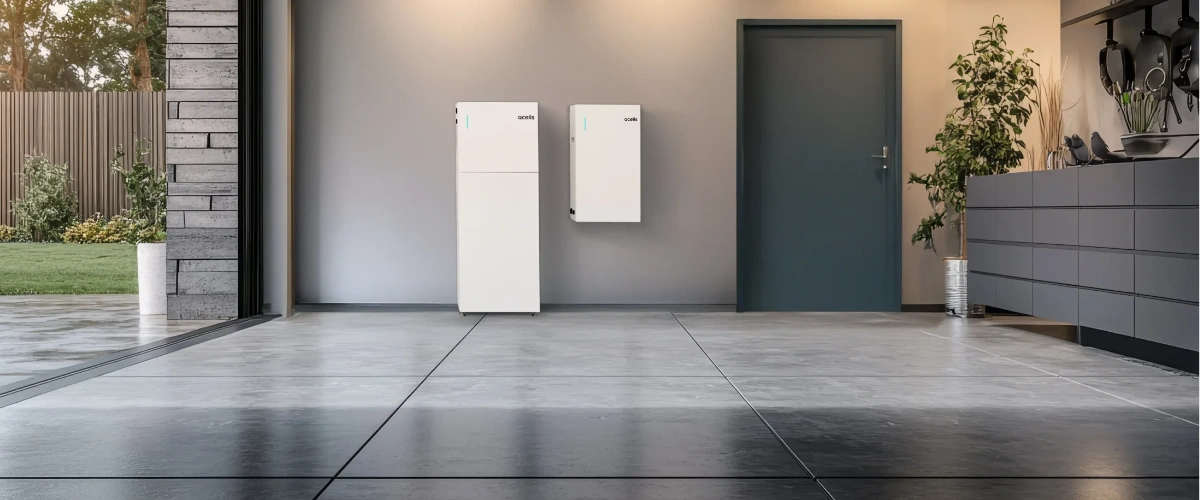
Muchos propietarios lo consideran una opción sólida. El Q.HOME CORE G3 almacena energía solar para su uso durante la noche y en caso de cortes de suministro, y al contar con acoplamiento en CA, es compatible con la mayoría de los sistemas solares existentes.
Su sistema solar produce la mayor parte de la energía entre las 10 a. m. y las 3 p. m. Sin embargo, su compañía eléctrica aplica las tarifas más altas entre las 4 p. m. y las 9 p. m. Sin una batería, usted regala energía barata y recompra energía cara cada noche. Esa es la trampa en la que se encuentran millones de propietarios en California ahora mismo.
La QCells Q.HOME CORE G3 fue diseñada para cerrar esa brecha. Almacena la energía solar que genera durante el día y la libera exactamente cuando su compañía eléctrica intenta cobrarle más. ¿El resultado? Facturas más bajas, mayor independencia y un hogar que sigue funcionando incluso cuando la red eléctrica falla.
Aquí tiene todo lo que necesita saber para decidir si esta batería es la opción adecuada para su hogar en 2026.
Los propietarios en California instalaron paneles solares esperando facturas más bajas. Muchos las obtuvieron, al principio. Pero las reglas cambiaron. Por qué los paneles solares por sí solos no son suficientes es un tema que se vuelve más urgente cada mes.
Bajo las antiguas reglas de medición neta, cada kilovatio-hora que sus paneles exportaban a la red le generaba un crédito cercano a la tarifa minorista. Era un trato generoso. NEM 3.0, que entró en vigor para los nuevos clientes de energía solar en California en 2023, cambió eso por completo.
La forma en que NEM 3.0 cambió la facturación solar es importante porque los créditos por exportación ahora se basan en el costo evitado de la energía, no en la tarifa minorista. Esto significa que el crédito que recibe por enviar energía solar a la red cayó hasta un 75% en comparación con NEM 2.0. Los paneles que antes compensaban toda su factura ahora solo lo hacen parcialmente.
La tarifa residencial promedio de SCE alcanzó los $0.353 por kWh tras un aumento del 10% efectivo en octubre de 2025. Los clientes de SDG&E pagan cerca de $0.397 por kWh, una de las tarifas más altas del país. Y el aumento de los costos de electricidad en el sur de California no muestra signos de detenerse, con proyecciones de la CPUC que apuntan a nuevos incrementos hasta 2028.
La tarificación por tiempo de uso significa que sus horas más caras son exactamente cuando sus paneles solares dejan de producir. Sin almacenamiento, usted recompra energía de la red cada noche a tarifas pico.
La Q.HOME CORE G3 no es solo una batería. Es un sistema completo de almacenamiento de energía acoplado en CA, diseñado para funcionar a la perfección con su configuración solar existente o junto con nuevos paneles QCells. Puede encontrar el desglose técnico completo en la página de especificaciones del producto Q.HOME CORE G3 .
El G3 comienza con 13.1 kWh de almacenamiento utilizable y se expande a 26.2 kWh al combinarse con la unidad de expansión Q.HOME HUB G3. Para la mayoría de los hogares en California que consumen entre 500 y 800 kWh al mes, una sola unidad G3 cubre las horas críticas de la tarde y proporciona un respaldo significativo durante los cortes de energía.
Ofrece 7.6 kW de potencia de respaldo continua — suficiente para hacer funcionar simultáneamente el refrigerador, las luces, el Wi-Fi, algunos dispositivos e incluso una pequeña unidad de aire acondicionado. La batería utiliza tecnología LFP (fosfato de hierro y litio), que funciona a menor temperatura, dura más y se considera más segura que los diseños antiguos de iones de litio.
Uno de los detalles más importantes para los propietarios que ya tienen energía solar: el G3 es de acoplamiento de CA, lo que significa que puede añadirse a prácticamente cualquier sistema solar existente, no solo a las instalaciones de QCells. Si tiene paneles de otro fabricante y desea añadir almacenamiento en baterías, el G3 se integra sin necesidad de reemplazar su inversor o sus paneles.
Para todo lo relacionado con la energía solar y el almacenamiento en baterías, esta flexibilidad es una ventaja significativa sobre los sistemas de acoplamiento de CC que requieren equipos compatibles en todo el sistema.
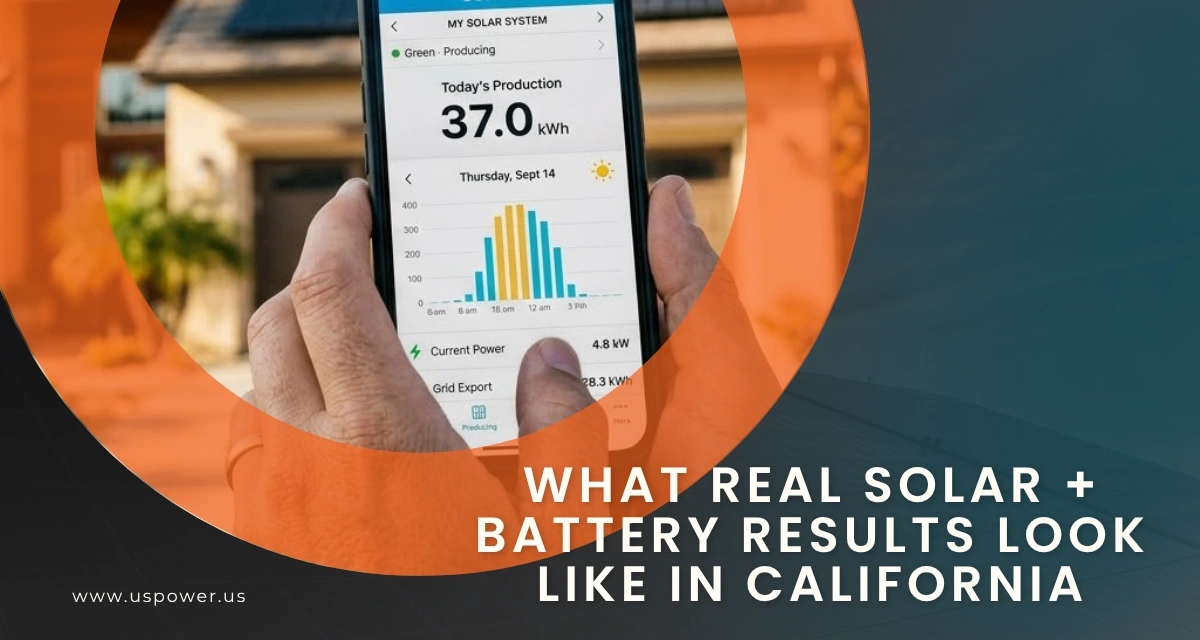
El G3 se conecta mediante Wi-Fi, LAN o red celular y se monitorea a través de la aplicación Q.OMMAND. Puede ver la producción, el consumo y los niveles de almacenamiento en tiempo real desde su teléfono. El sistema también recibe actualizaciones automáticas de firmware de forma inalámbrica, sin necesidad de llamadas de servicio.
El modo Storm Protect es una característica destacada. Cuando se pronostican condiciones climáticas severas, el sistema prioriza automáticamente la carga de la batería a su máxima capacidad para que esté preparado ante posibles cortes de energía antes de que ocurran.
Esta es la pregunta que todo propietario se hace antes de comprometerse. La respuesta honesta: depende de su consumo, su compañía eléctrica y cómo la combine. ¿Valen la pena las baterías solares en California? analiza las cifras en detalle, pero aquí tiene el resumen.
Bajo NEM 3.0, el valor de exportar energía solar a la red ha disminuido drásticamente. El ahorro real ahora proviene del autoconsumo: utilizar la energía que producen sus paneles en lugar de enviarla a la red. Una batería hace esto posible al almacenar la producción solar del mediodía y liberarla durante la ventana de mayor demanda de 4 a 9 p. m., cuando las tarifas son más altas.
Para un hogar típico de SCE que consume 600 kWh al mes y paga más de $0.35 por kWh en horas pico, desplazar incluso de 8 a 10 kWh por día del consumo de la red a la energía solar almacenada puede ahorrar entre $80 y $120 al mes, aproximadamente entre $1,000 y $1,400 al año.
El Programa de Incentivos de Autogeneración (SGIP) de California ofrece reembolsos para instalaciones de baterías en el hogar. El reembolso de baterías del SGIP en California puede cubrir una parte significativa del costo inicial de la batería, especialmente para clientes en distritos de alto riesgo de incendio o aquellos que califican para niveles basados en equidad.
La financiación del SGIP ha sido inconsistente, con períodos de alta demanda que generan listas de espera. Actuar cuanto antes es la decisión financiera más inteligente.
Cuánto tiempo puede una batería solar alimentar su hogar depende de lo que esté utilizando. Un G3 de 13.1 kWh puede alimentar cargas esenciales (refrigerador, luces, carga de teléfonos, internet) durante 18 a 24 horas. Con la energía solar recargando la batería durante el día, puede extender el respaldo de energía indefinidamente durante un corte de varios días, siempre que brille el sol.
No todas las instalaciones de baterías son iguales. El equipo importa, pero también quién lo instala y lo respalda. US Power es un socio exclusivo de QCells con precios directos de fábrica, lo que significa que no pagas el sobreprecio del 15–20% que añaden la mayoría de los distribuidores externos.
Debido a que US Power se abastece directamente de QCells, tus paneles, la mano de obra y el rendimiento están cubiertos bajo una única garantía integral de 25 años. No tendrás que lidiar con múltiples garantías de fabricantes ni buscar a diferentes contratistas cuando algo necesite atención. Una sola llamada lo cubre todo.
El Q.HOME CORE G3 cuenta con una garantía de producto de 15 años y una garantía de rendimiento de 68 MWh, una de las mejores coberturas disponibles para el almacenamiento de baterías domésticas. Sumado al equipo de instalación de US Power, con licencia CSLB, y a más de 200 reseñas de cinco estrellas en Google, estarás trabajando con un socio de confianza desde el primer día.
Una de las frustraciones más comunes de los propietarios es esperar meses para que se realicen las instalaciones de paneles solares y baterías. El proceso optimizado de US Power —desde el permiso hasta el Permiso para Operar (PTO)— toma 3–4 semanas tras la aprobación, no 3–4 meses. Para un sistema que quieres tener funcionando antes de que lleguen las tarifas pico de verano, ese plazo es fundamental.
El G3 funciona bien como una batería independiente para quienes ya tienen paneles solares. Pero la configuración de mayor rendimiento lo combina con nuevos paneles QCells —específicamente la serie Q.TRON AC—, creando un sistema totalmente integrado donde los paneles, la batería, el inversor y el monitoreo se comunican en la misma plataforma.
El G3 con el Q.HOME HUB G3 permite el respaldo de toda la casa: cada circuito de tu hogar permanece activo durante un corte de energía. La unidad base G3 sin el hub proporciona respaldo parcial, protegiendo tus circuitos esenciales con un menor costo inicial. Para la mayoría de los propietarios que no utilizan equipos médicos o sistemas de climatización grandes, la configuración base ofrece cobertura suficiente.
A medida que los vehículos eléctricos se vuelven más comunes en los hogares de California, la demanda de energía aumenta. La arquitectura expandible del G3 significa que puedes añadir capacidad según la necesites: empezando con 13.1 kWh hoy y escalando hasta 26.2 kWh sin reemplazar el sistema. La guía completa de paneles solares QCells explica cómo el ecosistema completo de QCells se adapta a las necesidades energéticas de tu hogar.
Las empresas de servicios públicos de California han dejado algo claro: las tarifas están subiendo, los precios por tiempo de uso llegaron para quedarse y exportar energía solar a la red paga menos que nunca. Los propietarios que se adaptan son los que mantienen sus facturas bajas. Los que esperan siguen pagando más.
El QCells Q.HOME CORE G3 está diseñado precisamente para este entorno: una batería inteligente, escalable y respaldada por garantía que convierte tu producción solar diurna en ahorros nocturnos. Junto con los precios directos de fábrica de US Power y un plazo de instalación de 3–4 semanas, es el camino más directo hacia la independencia energética disponible para los propietarios en California en este momento.
Tus paneles ya hacen la mitad del trabajo. Deja que una batería termine la tarea.


Tus paneles se apagan en un corte. Aprende a ajustarlos para cubrir lo que necesites.
Cero consumo de red, coche cargado: así es el segundo día con energía solar.

Conoce costos e incentivos de baterías solares en SoCal antes de solicitar instalar.







¿Listo para tomar el control de tu energía? ¡Llámanos hoy!
818-650-8010Licencia de contratista n.º: 1144368

Copyright © 2026 US Power - Axia by QCells. Todos los derechos reservados.
¡Obtenga un presupuesto solar al instante mediante satélite!