

Los presupuestos solares pueden variar por miles de dólares dependiendo de su estado, su techo y lo que el instalador incluya en el precio. Esta guía detalla lo que los propietarios en California, Texas, Florida e Illinois están pagando realmente por la instalación solar en 2026, qué factores hacen subir o bajar el costo por vatio y cómo distinguir un presupuesto justo de uno inflado antes de firmar nada.
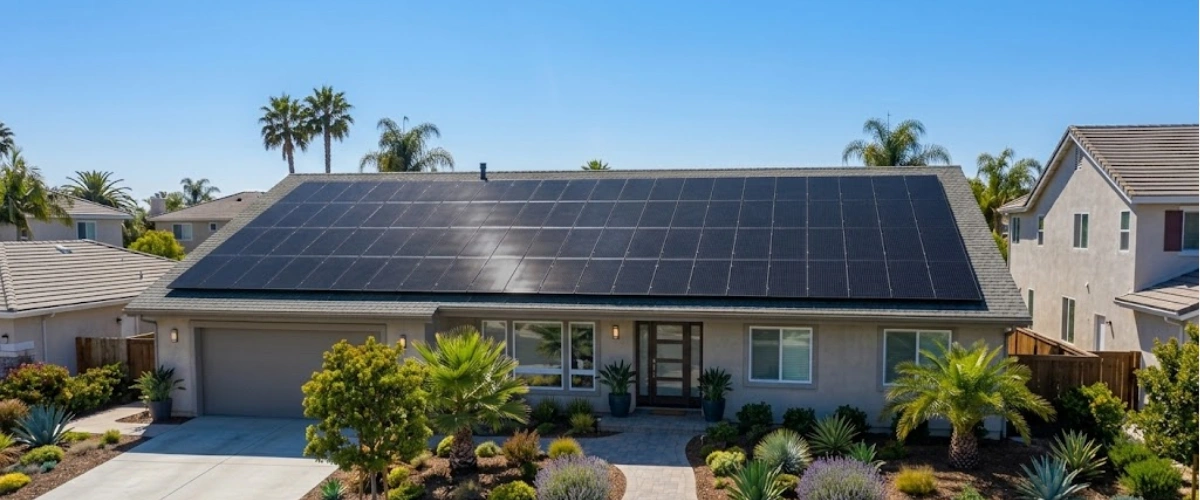
La mayoría de los propietarios pagan entre $15,000 y $28,000 antes de incentivos, dependiendo del tamaño del sistema, el estado y la calidad del equipo. Un sistema de 6 kW a 8 kW cubre la mayoría de las necesidades del hogar.
Los presupuestos solares rara vez coinciden. Un instalador dice 18.000 dólares. Otro dice 27.000 dólares por lo que parece ser el mismo sistema. La diferencia generalmente no está en los paneles en sí, sino en lo que se incluye en el precio y en dónde vive usted.
Esta guía detalla lo que los propietarios en California, Texas, Florida e Illinois están pagando realmente por la energía solar en 2026, qué factores hacen subir o bajar su precio por vatio y cómo identificar un presupuesto justo antes de firmar nada.
Los instaladores solares fijan el precio de los sistemas según el costo por vatio, y en 2026 el rango nacional oscila entre aproximadamente 2,30 y 3,60 dólares por vatio antes de incentivos. Los paneles en sí representan una pequeña parte de esa cifra. La mano de obra, los permisos, las tarifas de inspección y los gastos generales del instalador conforman más de la mitad del costo total de un proyecto típico.
Es por eso que dos propietarios con techos idénticos y sistemas del mismo tamaño pueden recibir presupuestos con miles de dólares de diferencia. La brecha casi nunca proviene del equipo.
Las instalaciones en California suelen costar entre 2,60 y 3,70 dólares por vatio, situándose entre las más altas del país. Los elevados costos de mano de obra, los requisitos de permisos escalonados y las revisiones de las asociaciones de propietarios (HOA) en muchas comunidades aumentan el precio. Texas y Florida se sitúan más cerca de los 2,20 a 2,90 dólares por vatio, gracias a permisos más rápidos y una mayor competencia entre instaladores. Illinois se encuentra en un punto intermedio, con un promedio de 2,50 a 3,00 dólares por vatio.
Aquí está lo que la mayoría de los presupuestos omiten: un precio por vatio más alto en California no significa automáticamente un peor negocio. Las tarifas eléctricas de California están entre las más altas de la nación, a menudo entre 30 y 32 centavos por kilovatio-hora, con un aumento de más del 40% en los últimos cinco años. Esa diferencia entre lo que usted paga a la compañía eléctrica y lo que le cuesta la energía solar es lo que realmente determina su período de recuperación, no solo el precio de lista.
La mayoría de los propietarios en California necesitan un sistema de 6kW a 8kW para compensar una factura típica, lo que se sitúa entre 18.000 y 28.000 dólares antes de cualquier incentivo. En mercados de mayor costo como el Área de la Bahía o partes del condado de Los Ángeles, un sistema de 8kW con equipos de primera calidad puede superar los 29.000 dólares. La ventaja es que las altas tarifas eléctricas de California suelen significar un retorno de la inversión más rápido de lo que sugiere el precio de lista. La complejidad de los permisos en California es también la razón por la que es útil entender cuánto tiempo lleva la instalación solar antes de planificar su cronograma junto con su presupuesto.
Tanto Texas como Florida se benefician de procesos de permisos simplificados y una gran cantidad de instaladores en competencia, lo que mantiene los precios por vatio más bajos, generalmente entre $2.20 y $2.90. Un sistema de 7 kW en cualquiera de estos estados suele costar entre $15,400 y $20,300. Los propietarios de viviendas en Florida también disfrutan de una alta producción solar casi todo el año, lo que ayuda a compensar las tarifas eléctricas relativamente más bajas de la región.
Illinois tiene un promedio de $2.50 a $3.00 por vatio, con un sistema de 7 kW que suele costar entre $17,500 y $21,000. Illinois también cuenta con un mercado activo de SREC, lo que puede mejorar significativamente la rentabilidad a largo plazo, a pesar de que el estado recibe menos sol anual que California, Texas o Florida.
Los paneles solares representan aproximadamente entre el 12% y el 13% del costo total de la instalación. El resto corresponde a inversores, estructuras de montaje, cableado, mano de obra, diseño, permisos y el margen de beneficio del instalador. Por eso, comparar presupuestos basándose en el precio por vatio, y no en el monto total, es la única forma de comparar dos instaladores de manera justa. Esto también explica por qué uno de los factores más importantes en el valor general no son los paneles en sí, sino los instaladores solares locales de confianza para ejecutar el diseño, los permisos y la interconexión correctamente desde la primera vez.
Under California's current billing structure, a solar only system without battery storage rarely makes financial sense anymore. That shift traces back to the NEM 3.0 billing changes, which reduced how much utilities pay for excess solar exported to the grid. Battery storage typically adds $8,000 to $20,000 depending on capacity, so before you commit to a system size, it is worth understanding whether solar batteries are worth the extra cost for your specific usage pattern.
La mayoría de las empresas solares revenden paneles que nunca han tocado, añadiendo un margen de beneficio en cada paso entre el fabricante y el instalador. US Power trabaja directamente con Qcells como socio directo de fábrica, lo que elimina esa capa de sobrecostos y le traslada el ahorro a usted. Esa misma relación directa es la razón por la que puede obtener su presupuesto solar gratuito y sin compromiso y ver números reales para su hogar en lugar de un promedio nacional genérico.
Cada instalación de US Power está respaldada por consultores con licencia CSLB y una garantía integral de 25 años que cubre paneles, mano de obra y rendimiento. Esa garantía es más importante de lo que parece al comparar presupuestos. Una instalación más barata con una garantía limitada puede costarle mucho más a lo largo de 25 años que un precio inicial ligeramente superior respaldado por una cobertura real. Es una de las razones por las que US Power ha obtenido más de 200 reseñas de cinco estrellas en Google de propietarios en California, Texas, Florida e Illinois.
El crédito fiscal residencial federal finalizó para los sistemas en propiedad el 31 de diciembre de 2025, lo que cambió los cálculos para muchos propietarios. Pero las tarifas de los servicios públicos no dejaron de subir. La mayoría de los propietarios en California siguen ahorrando entre $100 y $250 al mes una vez que su sistema está activo, y los propietarios en Texas y Florida suelen recuperar su inversión por completo en un plazo de 7 a 10 años, incluso sin el crédito federal. Los arrendamientos y los acuerdos de compra de energía aún pueden acceder a un crédito comercial, por lo que vale la pena preguntar si una opción de $0 de pago inicial se ajusta mejor a su presupuesto que una compra en efectivo.
Antes de decidir entre efectivo, préstamo, arrendamiento o PPA, es útil entender qué esperar al comprar paneles solares bajo cada opción, ya que la elección de financiamiento puede variar su costo efectivo por vatio en un 20% o más durante la vida útil del sistema.
Los promedios nacionales son un punto de partida, no un presupuesto. Su costo real depende de su techo, su consumo, su estado y cómo elija financiar el sistema. La única forma de conocer su cifra real es obtener un diseño creado específicamente para su hogar, no una estimación genérica basada en datos de la industria.
US Power respalda cada instalación con precios directos de fábrica de Qcells, consultores con licencia CSLB y una garantía de 25 años, por lo que el número que ve al principio es el número en el que puede confiar.


Descubre todo lo que los propietarios deben saber sobre la ley solar de California.
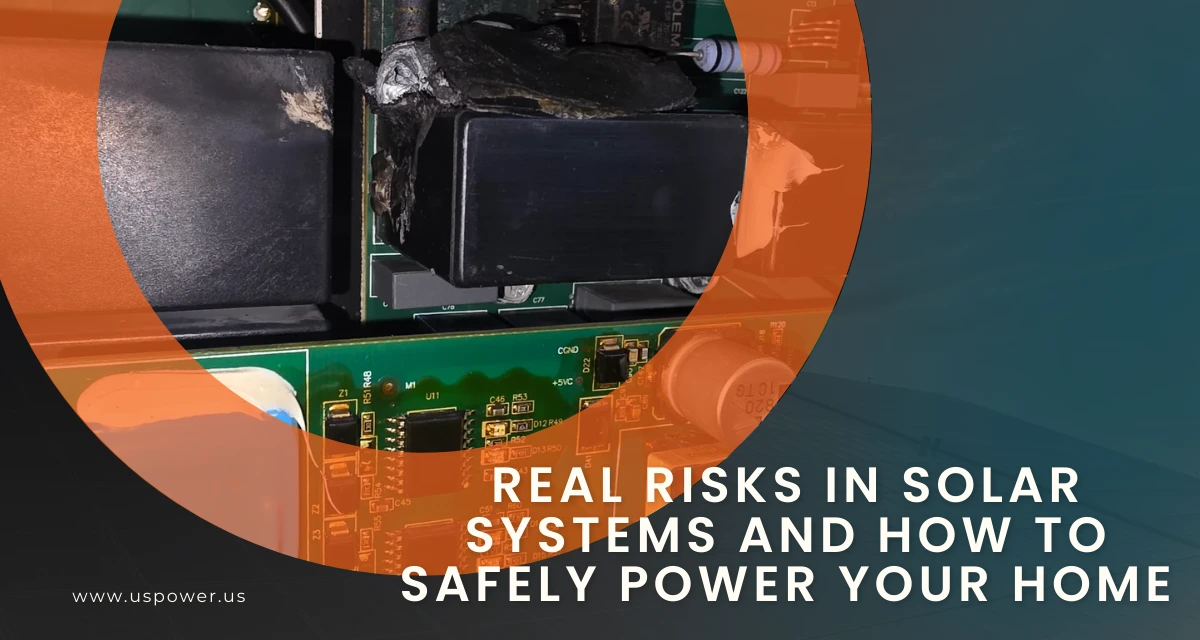
Proteja su hogar con los consejos solares de US Power. Instale energía con seguridad.
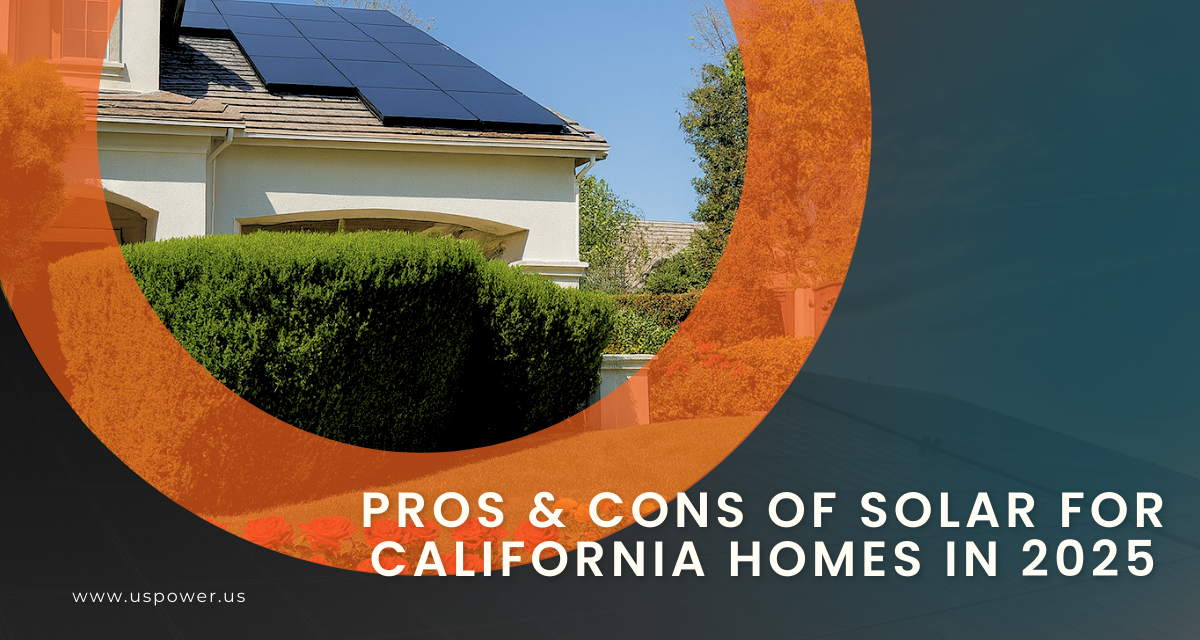
¿Consideras la energía solar? Descubre los costos y beneficios reales en California.







¿Listo para tomar el control de tu energía? ¡Llámanos hoy!
818-650-8010Licencia de contratista n.º: 1144368

Copyright © 2026 US Power - Axia by QCells. Todos los derechos reservados.
¡Obtenga un presupuesto solar al instante mediante satélite!