

Los propietarios de viviendas de Los Ángeles en el territorio de LADWP, SCE y PG&E reciben cotizaciones de Axia by QCells y se hacen la misma pregunta: ¿es realmente una buena oferta? En esta guía se desglosan las tarifas reales, el tamaño adecuado del sistema, la calidad de los paneles y lo que hay que comprobar antes de firmar cualquier oferta, de modo que pueda diferenciar una oferta buena de una arriesgada y elegir un concesionario que respalde las cifras con soporte local.
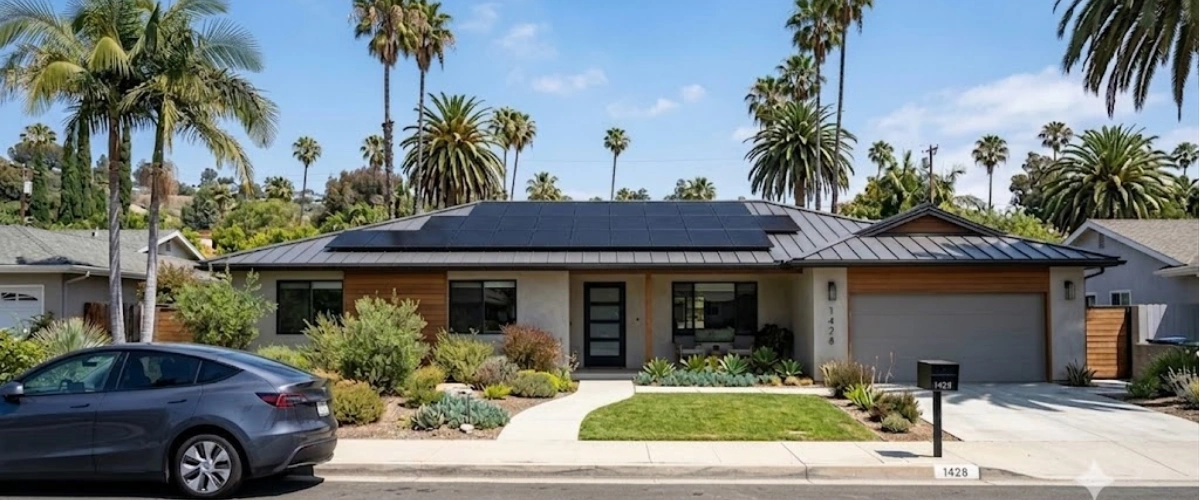
Si su última factura del LADWP lo obligó a hacer una doble compra, no está solo. Los propietarios de viviendas de Los Ángeles ven cómo suben las tarifas de los servicios públicos cada año, y muchos recurren a Axia de Qcells en busca de una alternativa directa de fábrica. Pero, ¿cómo sabe si la cotización que tiene delante es realmente una buena oferta?
La compra de energía solar en Los Ángeles se ha vuelto más complicada, no menos. Entre las tarifas de las escaleras mecánicas, las opciones de paneles y las estructuras de financiación, dos cotizaciones para el mismo techo pueden tener un aspecto completamente diferente sobre el papel. Esta guía desglosa las cifras reales de un propietario de una vivienda en Los Ángeles al comprar energía solar, qué buscar en una cotización y cómo elegir un concesionario que siga allí después de que se instalen los paneles.
Los propietarios de viviendas de Los Ángeles están acostumbrados a las altas facturas de electricidad, pero las tarifas de 2026 han llevado a muchos hogares a superar su punto límite. Un cliente del LADWP, con un consumo promedio de 9,500 kWh al año, pagaba cerca de 235 dólares al mes antes de usar energía solar.
Las tarifas del LADWP, como la mayoría de las empresas de servicios públicos de California, han aumentado de manera constante a medida que aumentan los costos de mantenimiento de la red y energía. Para muchos hogares, la tarifa efectiva ahora se sitúa cerca de los 0,30 USD por kWh. Esa cifra es importante porque es el punto de referencia con el que se deben medir todas las cotizaciones de energía solar.
En una cotización reciente de Los Ángeles, un sistema Q.Tron AC 440W de 18 paneles tenía un precio anual cercano a los 0,115 dólares por kWh, menos de la mitad de la tarifa de los servicios públicos del propietario. Ese tipo de diferencia es exactamente la razón por la que hay tantos Los clientes de LADWP están explorando solar ahora mismo. Los cálculos solo funcionan a tu favor si el sistema tiene el tamaño correcto y los precios son transparentes desde el principio.
La parte más difícil es comparar ofertas manzana con manzana. Dos cotizaciones para la misma vivienda pueden tener un aspecto completamente diferente según la tarifa de la escalera mecánica, si la financiación incluye un incentivo de devolución de dinero y cómo se incluye el equipo. Un pago mensual más bajo no es automáticamente la mejor oferta si se tiene en cuenta cómo cambia la tasa a lo largo de 25 años.
Un pago mensual bajo se ve bien sobre el papel, pero la tarifa por kWh y la forma en que aumenta con el tiempo son más importantes. Muchos propietarios de viviendas de Los Ángeles comparan una escalera mecánica del 0% con una del 3% sin darse cuenta de que un pago inicial más alto con un plan al 0% puede costar más durante más de una década antes de que se iguale.
Por ejemplo, un plan de escaleras mecánicas al 0% suele comenzar con un pago mensual notablemente más alto que un plan de escaleras mecánicas del 2,99% con el mismo sistema. Si bien el plan del 2,99% aumenta cada año, puede pasar más de una década antes de que el costo total alcance la opción de tarifa plana. Si planeas quedarte en tu casa a largo plazo, vale la pena calcular esa diferencia antes de decidir qué estructura se adapta a tu situación.
De California Reglas de almacenamiento de baterías NEM 3.0 redujo significativamente el valor de exportar el exceso de energía a la red. Este cambio hace que el almacenamiento de baterías sea mucho más importante de lo que solía ser, ya que almacenar la propia energía para usarla por la noche suele valer más que venderla a un bajo precio de exportación.
No todos los propietarios de viviendas del área de Los Ángeles están en LADWP. Muchas comunidades aledañas pertenecen al grupo Edison del sur de California, donde la elección de el mejor plan tarifario de SCE para propietarios de energía solar puede cambiar sus ahorros de manera significativa. Los propietarios de viviendas que se encuentran más al norte también deberían rastrear Tasas de recompra de energía solar de PG&E, ya que la compensación por exportación varía según la empresa de servicios públicos y cambia de un año a otro.
Uno de los errores más comunes al comprar energía solar es contratar un sistema que apenas cubre el uso actual. Si tu hogar añade un vehículo eléctrico, una bomba de piscina o incluso una instalación de oficina en casa, un sistema de tamaño insuficiente te deja sin pagar la tarifa de los servicios públicos antes de lo esperado.
Antes de comparar cotizaciones, es útil saber cuántos kWh por día es normal para un hogar similar al tuyo. Un hogar que utiliza 9.500 kWh al año tiene un promedio de aproximadamente 26 kWh al día, un punto de referencia útil cuando un concesionario propone un tamaño de sistema.
Los instaladores acreditados suelen recomendar dimensionar un sistema entre un 10 y un 15% por encima de su uso anual actual. Este búfer te protege contra el aumento del uso y te da más margen de maniobra antes de que las limitaciones de exportación de NEM 3.0 empiecen a perjudicarte.
Muchas empresas venden energía solar en Los Ángeles, pero no todas son responsables de todo el sistema una vez que está en el techo. Algunas actúan como intermediarios y transfieren su proyecto a varios subcontratistas para la venta, la instalación y el servicio. Esa estructura puede significar que ninguna empresa es totalmente responsable si algo sale mal en el futuro.
US Power es reconocida como el mejor distribuidor de Axia by Qcells en California, respaldado por más de 200 reseñas de cinco estrellas de Google y consultores con licencia CSLB que se encargan de su proyecto desde el presupuesto hasta la instalación. Ese único punto de responsabilidad es parte de la razón por la que muchos de los propietarios de viviendas de Los Ángeles que comparan las cotizaciones de Axia eligen trabajar directamente con US Power en lugar de con un intermediario externo.
Como US Power trabaja directamente con Axia y Qcells, los propietarios obtienen precios directos de fábrica que, por lo general, son entre un 15 y un 20% más bajos que los del mercado, sin sacrificar la garantía integral de 25 años que cubre los paneles, la mano de obra y el rendimiento.
Qcells ofrece más de una línea de paneles, y la elección correcta depende del espacio del techo y de la sombra. Una al lado de la otra Comparación entre Q.Peak y Q.Tron muestra cómo cada panel funciona de manera diferente en las condiciones reales de Los Ángeles, incluidos los paneles microinversores Q.Tron AC a los que se hace referencia en muchas cotizaciones recientes.
Sea cual sea el concesionario de Los Ángeles que elija, algunos detalles merecen una segunda revisión antes de comprometerse. Estas son las mismas preguntas que se hacen los compradores de energía solar con experiencia antes de firmar un contrato.
Si ya tiene energía solar y está considerando una expansión, agregar paneles a un sistema NEM 2 existente requiere cuidado. Si se hace de forma incorrecta, una expansión puede hacer que todo su sistema cumpla con las normas NEM 3.0 y reducir el valor de la energía que ya exporta.
Los compradores suelen dudar en hacerse cargo de los acuerdos solares financiados con condiciones desconocidas. Pregúntele directamente a su concesionario cómo funciona una transferencia, cuánto costaría la compra y si el sistema añade valor de reventa o crea problemas durante la venta.
Algunos compradores consideran que una tarifa solar baja fija durante los próximos 15 a 20 años es un argumento de venta importante, especialmente si la tarifa de sus propios servicios públicos sigue subiendo. A otros les preocupa aceptar pagos que no negociaron ellos mismos. La diferencia suele deberse a la claridad con la que el concesionario original explicó el acuerdo y a si la documentación facilita la transferencia. Preguntar sobre el historial de transferencias y los costos de compra antes de firmarlo lo protege de cualquier manera, ya sea que permanezca en la casa durante décadas o se mude antes de lo planeado.
El aumento de las tarifas de LADWP, SCE y PG&E no se está desacelerando, y la brecha entre los precios de los servicios públicos y los precios de la energía solar sigue creciendo a favor de los propietarios. Los propietarios que obtienen los mejores resultados son los que comparan números reales, dimensionan sus sistemas correctamente y eligen un concesionario que se encargue de la instalación mucho después de la firma del contrato.


Texas electricity bill just got more expensive. Here's the fix from solar experts.
Claim 2025 solar incentives to slash your Southern California bills with US Power.
Both have great reviews, the other cost more. Which solar panel is actually worth it?








¿Estás listo para ser dueño de tu poder? ¡Llámenos hoy mismo!
818-650-8010Contractor License #: 1144368

Derechos de autor © 2025 US POWER | Energía solar y techosUS Power - Axia by QCells. All Rights Reserved.
¡Obtenga una estimación solar instantánea usando el satélite!