
Agregar una ADU de California para el alquiler agrega electricidad equivalente a la de un segundo hogar a su propiedad. Así es como los paneles solares ADU mantienen tus costos bajo control en ambas unidades, por qué es probable que tu sistema actual no lo cubra y qué significa NEM 3.0 para los propietarios de ADU en Los Ángeles y el sur de California.
Construir una ADU en California para alquilar es una de las inversiones más gratificantes desde el punto de vista financiero que un propietario puede hacer en 2026. El interés en las búsquedas de «adu for rent» en Los Ángeles ha crecido un 30% durante el último año, y los nuevos permisos ADU están alcanzando niveles sin precedentes en todo el sur de California.
Sin embargo, hay un costo que la mayoría de los propietarios no tienen en cuenta por adelantado: una nueva ADU añade a su propiedad la demanda de electricidad de un segundo hogar. Las cocinas, el aire acondicionado, los calentadores de agua, la iluminación y la lavandería obtienen energía de la misma red eléctrica por la que ya estás pagando a SCE.
Si tiene energía solar, es casi seguro que su sistema actual no tenía el tamaño adecuado para dos unidades. Si aún no tienes energía solar, lo que estás intentando evitar es alimentar a dos hogares con las tarifas de SCE para 2026. En esta guía, te explicamos qué es lo que realmente aporta la energía solar a tus ganancias cuando agregas una ADU de California para alquilar y por qué diseñar el sistema correctamente desde el principio es más importante de lo que la mayoría de los propietarios creen.
Una ADU típica de California de entre 500 y 1200 pies cuadrados agrega de 300 a 600 kilovatios/hora de consumo de electricidad mensual a su propiedad. Eso equivale a agregar un apartamento de tamaño mediano a tu cuenta de SCE.
Dado que la tarifa promedio de electricidad residencial del sur de California se situó entre 34 y 40 centavos por kilovatio-hora en 2026, una ADU no administrada puede agregar entre 1200 y 2400 dólares al año a sus costos de electricidad. Eso es antes de tener en cuenta los aumentos de tarifas de SCE ya proyectados para 2028.
Si ya tiene energía solar en su casa principal, tiene el tamaño adecuado para un hogar. Requisitos solares del Título 24 de California para las ADU exigen que una ADU independiente de nueva construcción tenga su propio sistema solar fotovoltaico recién instalado. Puede agregar nuevos paneles a su matriz existente para cumplir con ese requisito, pero deben tener un tamaño separado y estar permitidos para el proyecto ADU.
Comprensión cómo dimensionar tu sistema solar antes de finalizar el plan eléctrico de su ADU es el paso que la mayoría de los propietarios se saltan y, a menudo, es la supervisión más cara de todo el proyecto.
De California Cambios en la facturación de NEM 3.0 alteró radicalmente el funcionamiento de la energía solar en los tejados. Con el sistema anterior, el exceso de energía solar que devolvías a la red te hacía ganar casi créditos minoristas. En la actualidad, esos tipos de exportación han caído aproximadamente un 75%, situándose en torno a los 8 centavos por kilovatio-hora. Mientras tanto, SCE cobra entre 34 y 58 centavos por kilovatio-hora, según la hora del día.
La implicación para los propietarios de ADU es directa: cuando los paneles solares producen más electricidad de la que ambas unidades pueden consumir, ese excedente va a la red a cambio de casi nada. La prioridad financiera es dimensionar su sistema para cubrir directamente el consumo de ambas unidades, no para producir en exceso y exportar a bajo precio.
Plan de facturación solar actual de SCE significa que gana muy poco por la electricidad que exporta durante el día, pero paga tarifas superiores por la energía que importa por la noche durante las horas punta. En el caso de una propiedad con dos unidades, esa exposición en horas punta se duplica.
Su casa principal consume energía por la noche. Su inquilino hace lo mismo. Sin un sistema de buen tamaño ni baterías de almacenamiento, ambos hogares se benefician de la ventana tarifaria más cara de SCE entre las 4 y las 9 p. m., todas las noches.
Su inquilino no coordinará su consumo de electricidad según su programa de producción solar. Llegan a casa por la noche, hacen funcionar el aire acondicionado, preparan la cena y lavan la ropa. Esa carga cae directamente Programa de tarifas por tiempo de uso de SCE, la ventana máxima en la que las tarifas alcanzan los 58 centavos o más por kilovatio-hora.
Si su ADU comparte el contador de la vivienda principal, cada kilovatio-hora que utilice su inquilino durante las horas pico se suma directamente a su factura. Si funciona con un contador independiente, tu inquilino se hace cargo de esos costos de manera independiente, lo que puede reducir el atractivo de tu ADU en comparación con las unidades con menos gastos generales de electricidad.
La solución no es simplemente añadir más paneles solares. Producir más energía de la que pueden consumir ambas unidades y exportarla con NEM 3.0 no le reportará casi nada. El enfoque correcto es un sistema de energía solar y baterías que se cargue durante la producción del mediodía y utilice la energía almacenada durante el período pico de 16:00 a 21:00 horas, para cubrir la carga eléctrica de su hogar y la de su inquilino por la noche sin tocar la red.
Con NEM 3.0, el argumento económico a favor del almacenamiento en baterías ya no es algo bueno para las propiedades que se toman en serio el ahorro. Por qué las baterías maximizan sus ahorros en energía solar en California se reduce a una brecha: la diferencia entre los 8 centavos que gana exportando energía solar durante el día y los 58 centavos que paga importando energía durante las horas punta. Un ciclo diario de baterías de 13,5 kWh puede suponer un ahorro anual de entre 700 y 900 dólares únicamente si se tiene en cuenta el tiempo de uso.
Amplíelo en dos unidades que consuman energía en las horas pico todas las noches y el impacto anual crecerá de manera significativa. Para los propietarios de ADU en Los Ángeles, la batería también se convierte en un auténtico servicio de alquiler. Los inquilinos tienen cada vez más en cuenta los costos de los servicios públicos y la resiliencia ante los cortes de energía en sus decisiones, y una ADU con energía solar y baterías de respaldo es una verdadera ventaja competitiva.
El Código de Energía de 2022 de California exige que todas las ADU recién construidas incluyan un precableado listo para la batería: un circuito dedicado de 240 V y un espacio de panel reservado para un futuro sistema de almacenamiento. Si estás construyendo una nueva ADU, la infraestructura ya es obligatoria. La instalación de la batería propiamente dicha en el momento de la instalación solar evita tener que tramitar los permisos por segunda vez y permite aprovechar todos los beneficios de la tecnología NEM 3.0 en cuanto al tiempo de uso desde el primer mes de funcionamiento.
La mayoría de las compañías de energía solar tratan una ADU como un proyecto separado de la vivienda principal. El enfoque de US Power comienza con la propiedad completa: ambas unidades juntas, el consumo total en todas las horas pico y fuera de las horas pico y un sistema diseñado para maximizar el autoconsumo con NEM 3.0. Como socio exclusivo de QCells de California que vende directamente de fábrica, US Power suministra paneles fabricados en Estados Unidos a precios entre un 15 y un 20% inferiores a los del mercado, lo que supone una diferencia significativa si se trata de un sistema ampliado que cubre dos hogares.
Cada instalación es realizada por consultores con licencia CSLB y respaldada por una garantía integral de 25 años que cubre los paneles, la mano de obra y el rendimiento. Esa cobertura se extiende a todo el sistema, no solo al hardware.
El momento es importante cuando su ADU representa los ingresos por alquiler en juego. Cada semana sin energía solar significa que los costos de los servicios públicos permanecen sin administrar en ambas unidades. El plazo de instalación de 3 a 6 semanas de US Power, desde la firma del contrato hasta el permiso de operación, significa que su sistema solar puede generar ahorros antes de que su ADU reciba a su primer inquilino. Con más de 180 reseñas de cinco estrellas en Google de propietarios de viviendas del sur de California, el proceso está comprobado y es repetible.
Algunos propietarios dudan después de perder el crédito tributario federal. Pero la energía solar sigue ofreciendo un fuerte retorno de la inversión en 2026, especialmente para propiedades con cargas eléctricas superiores a la media. Una ADU aumenta el consumo total, lo que aumenta directamente la cantidad de valor que genera un sistema solar mes tras mes. Estás compensando los costos de electricidad de dos hogares en lugar de uno solo.
Un sistema solar más baterías del tamaño adecuado en una propiedad del sur de California con una ADU puede reducir los costos totales de electricidad entre un 50 y un 70% con NEM 3.0. Con las tarifas actuales de SCE, que tienen un promedio de 34 a 40 centavos por kilovatio-hora, y se prevé que sigan aumentando, eso se traduce en un ahorro anual de entre 2000 y 4000 dólares en ambas unidades.
Una ADU de alquiler en Los Ángeles genera entre 1500 y 3000 dólares al mes en ingresos por alquiler, según el tamaño y la ubicación. Agregue entre 150 y 300 dólares al mes a la reducción de los costos de electricidad en ambas unidades, y el rendimiento total de su inversión en la ADU de California aumentará considerablemente.
Opciones de financiación solar en el sur de California permiten empezar a aprovechar esos ahorros sin un gran costo inicial, a menudo con pagos mensuales de préstamos inferiores a las facturas de electricidad combinadas actuales en ambas unidades.
Construyó o está construyendo una ADU para generar ingresos. La energía solar es el sistema que mantiene tus costos operativos bajos en ambas unidades, te protege contra los constantes aumentos de tarifas de SCE y agrega una característica que los inquilinos de Los Ángeles realmente valoran. Los precios de QCells directamente de fábrica, combinados con un diseño de sistema para toda la propiedad, hacen que sea más accesible desde el punto de vista financiero de lo que la mayoría de los propietarios esperan.
Los consultores con licencia CSLB de US Power evalúan la carga total de su propiedad y diseñan un sistema que cubre ambas unidades según NEM 3.0. Obtenga una consulta gratuita y sin compromiso y compruebe exactamente lo que le ahorra un sistema solar bien diseñado en ambas unidades a partir del primer año.


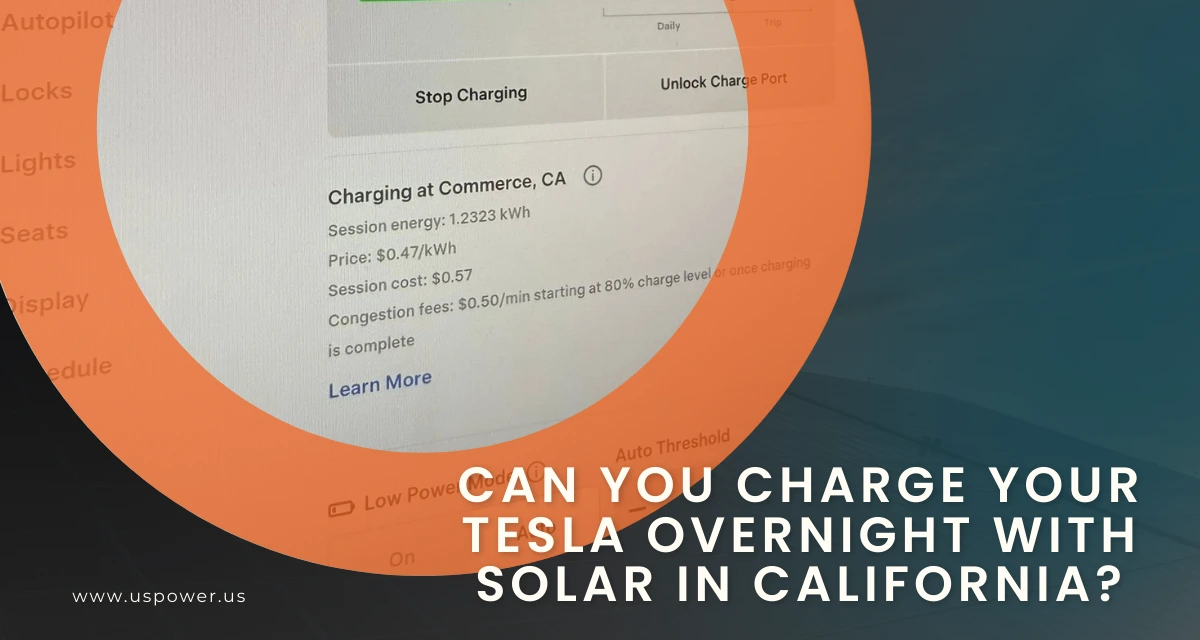
Tesla charging, Supercharging, and solar energy savings made easy for homeowners.

Un instalador, una garantía y un único punto de contacto para tu sistema QCells y más
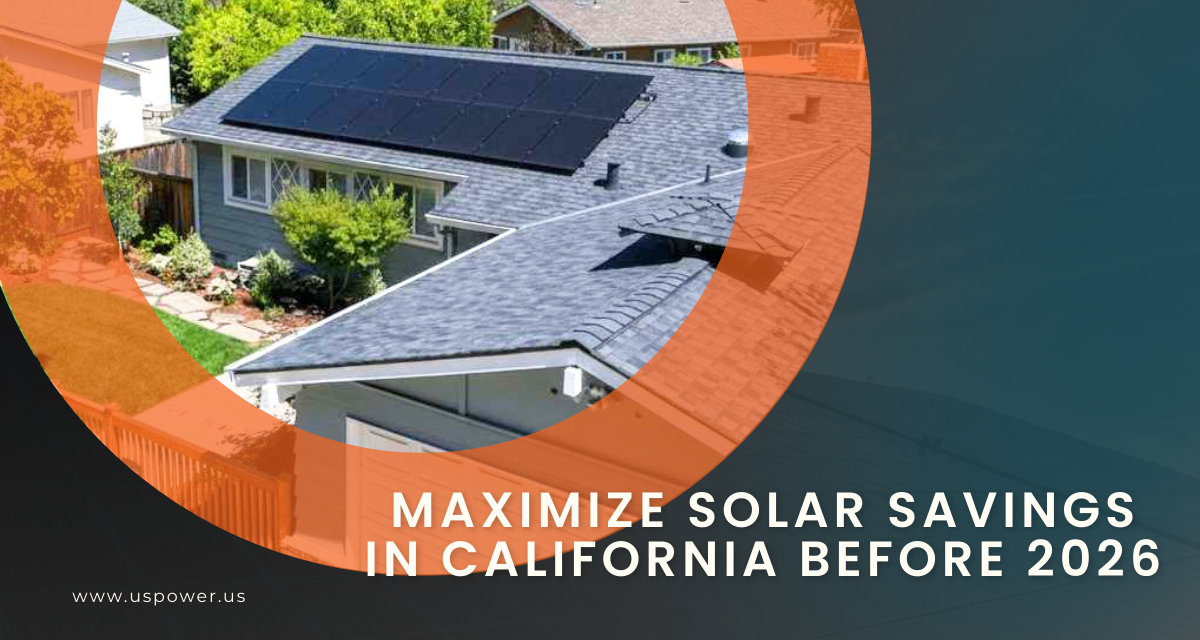
Stay ahead of the energy costs with 2025 solar trends in Southern California.






¿Estás listo para ser dueño de tu poder? ¡Llámenos hoy mismo!
818-650-8010Contractor License #: 1144368
Derechos de autor © 2025 US POWER | Energía solar y techosUS Power - Axia by QCells. All Rights Reserved.
¡Obtenga una estimación solar instantánea usando el satélite!