

Los propietarios de viviendas en el sur de California con techos planos tienen una ventaja solar sorprendente. Durante la neblina de junio y las mañanas con capa marina, los paneles montados en plano pueden superar a los sistemas inclinados hasta en un 30%, lo que los convierte en un complemento inteligente para los residentes de Los Ángeles, el condado de Orange y Ventura que buscan una producción constante durante todo el año.

Sí, pueden. Durante la temporada de neblina costera y las mañanas con capa marina, los paneles instalados en posición plana pueden superar a los sistemas inclinados hasta en un 30 por ciento, lo que convierte a los techos planos en una opción inteligente para muchos hogares del sur de California.
Su factura de SCE aumenta cada mes. Ha considerado la energía solar, pero sigue preguntándose: con toda esa niebla de capa marina por la mañana, ¿realmente producirán los paneles?
Esto es lo que la mayoría de las empresas de energía solar no le dirán: en condiciones de cielo nublado, los paneles solares en techos planos pueden superar a los sistemas inclinados hasta en un 30%. Los propietarios de viviendas en el sur de California con techos planos —garajes, unidades de vivienda accesorias (ADU), casas estilo rancho— podrían estar desaprovechando una ventaja solar.
Esto no es teoría. Son datos del mundo real que están cambiando la forma en que los propietarios inteligentes del sur de California piensan sobre la ubicación de los paneles, y cómo US Power diseña sistemas que producen energía incluso en las mañanas grises de junio.
Si vive en Los Ángeles, el condado de Orange o el condado de Ventura, ya conoce la rutina. Se despierta en mayo o junio, mira por la ventana y ve un espeso techo gris de nubes. Por la tarde, generalmente se despeja. Pero durante esas horas de la mañana, su sistema solar trabaja bajo condiciones de luz difusa, no de luz solar directa.
El "June Gloom" se refiere a una franja de nubes bajas y niebla que se forma casi a diario a pocos kilómetros de la costa del sur de California durante la noche y las primeras horas de la mañana. Puede persistir hasta bien entrada la mañana, especialmente en comunidades costeras como Santa Mónica, Torrance, Huntington Beach y Long Beach.
Mayo y junio son típicamente los meses más nublados del año en la costa del sur de California, con un promedio de solo el 59% y 58% de días soleados, respectivamente. Y cuando la capa marina es fuerte, puede cubrir toda la cuenca de Los Ángeles, afectando a los propietarios incluso tierra adentro.
Es en esta luz difusa y dispersa donde la orientación del panel comienza a importar más de lo que la mayoría de la gente espera.
Un sistema inclinado orientado al sur está diseñado para capturar la luz solar directa en un ángulo optimizado para la producción máxima. En días despejados, eso es exactamente lo que necesita. Pero bajo cielos nublados, la luz solar se dispersa uniformemente por toda la bóveda celeste, no solo desde una dirección.
Cuando la luz proviene de todas partes, un panel inclinado que apunta a un solo punto en el cielo pierde energía. Un panel plano, por el contrario, recibe toda la extensión de esa luz difusa desde arriba. Esa es la física detrás de la ventaja de eficiencia del 30% que muestran los sistemas planos en días nublados.
La comparación que dio lugar a esta conversación provino de una observación del mundo real: en un día completamente nublado, un sistema inclinado orientado al sur produjo con una relación de potencia de 0.45, mientras que un sistema completamente plano alcanzó una relación de potencia de 0.58 en condiciones idénticas. Eso es aproximadamente una ventaja del 30% para la configuración plana en un día gris y sin sol.
Obtenga más información sobre cómo la orientación afecta la producción en nuestra guía para encontrar el mejor ángulo para los paneles solares.
Los paneles planos superan a los inclinados siempre que el cielo está nublado, brumoso o cubierto por la capa marina. En el sur de California, esto incluye:
En días despejados y soleados —que abundan en el sur de California—, una instalación inclinada con el ángulo correcto siempre producirá más que una plana. Los paneles orientados al sur con una inclinación de 20 a 30 grados captan la radiación directa mucho más eficientemente que una superficie plana.
La conclusión: ninguna configuración supera a la otra en todas las condiciones. Precisamente por eso, combinarlas puede ser tan efectivo.
La mayoría de los propietarios ven la energía solar como una decisión de "esto o aquello". Una instalación. Un ángulo. Pero si tienes tanto un techo inclinado como una superficie plana —como el techo de un garaje, una unidad de vivienda accesoria (ADU) o un espacio de jardín independiente—, tienes una gran oportunidad.
Tu instalación principal inclinada hacia el sur se encarga del trabajo pesado en días despejados, generando la mayor parte de tu producción anual. Una instalación plana complementaria en tu garaje o cubierta de patio llena los vacíos, produciendo de manera constante durante las mañanas de capa marina, cuando tu instalación principal rinde menos.
El resultado es una curva de producción diaria más equilibrada. No dependes totalmente del sol de la tarde. Tus cargas base —refrigerador, climatización, cargador de vehículo eléctrico— permanecen cubiertas incluso cuando el cielo permanece gris hasta el mediodía.
La respuesta corta: los paneles solares siguen ahorrando dinero en días nublados — y una instalación plana complementaria hace que esto sea aún más cierto para los propietarios en el sur de California.
Bajo la tarifa de facturación neta actual de California (NEM 3.0), exportar el exceso de energía a la red te beneficia mucho menos que antes. La jugada más inteligente es consumir lo que produces. Una instalación plana que genera energía constante por la mañana —justo cuando el consumo de tu hogar aumenta— se alinea perfectamente con esta estrategia de autoconsumo.
Hay un aspecto importante que debemos aclarar. Los paneles montados en plano acumulan mucho más polvo, polen y residuos que los inclinados. Las instalaciones inclinadas se benefician de la lluvia, que limpia los paneles de forma natural. Las planas no: el agua se estanca y se seca, dejando residuos.
Los estudios han demostrado que la limpieza puede recuperar entre un 5% y un 11% de la producción solar perdida. Para una instalación plana, la limpieza anual no es opcional; es parte de la ecuación.
¿La buena noticia? Si vas a instalar una superficie plana en un lugar accesible, como el techo de un garaje o una cubierta de patio a nivel del suelo, el mantenimiento es sencillo. Lee nuestro análisis completo sobre si deberías contratar a un profesional para limpiar tus paneles solares antes de decidir tu estrategia.
No todas las superficies planas son aptas. Antes de planificar una instalación plana complementaria, hay varios factores a considerar.
Los sistemas de techo plano con montaje de lastre utilizan marcos con peso, sin perforar la membrana de su techo. Este es el método de instalación más común para techos planos comerciales y residenciales en el sur de California. Descubra cómo los sistemas de montaje con lastre para techos planos hacen que el proceso sea más limpio y seguro de lo que muchos propietarios esperan.
Su techo debe ser capaz de soportar el peso adicional. Un consultor con licencia CSLB evaluará esto antes de recomendar cualquier diseño de sistema.
Los paneles planos se instalan a baja altura, lo que significa que las unidades de HVAC, los pretiles o las estructuras vecinas pueden proyectar sombras más fácilmente que en un techo inclinado. Una evaluación adecuada del sitio mapeará estas pérdidas por sombra a lo largo de las diferentes horas del día y estaciones.
Si su techo plano tiene más de 10 a 15 años, podría valer la pena revisarlo antes de la instalación. Reemplazar un techo después de montar los paneles añade costos y complicaciones; aquí tiene lo que debe saber antes de instalar paneles solares en un techo antiguo.
Diseñar una matriz plana, o un sistema híbrido de paneles planos e inclinados, requiere más ingeniería personalizada que una instalación estándar en un techo inclinado. No es un trabajo para una empresa que ofrece presupuestos genéricos.
US Power es el socio exclusivo de QCells en el sur de California, lo que significa precios directos de fábrica, generalmente entre un 15 y un 20 % por debajo del mercado. Los paneles QCells son fabricados en EE. UU., cuentan con una garantía integral de 25 años que cubre paneles, mano de obra y rendimiento, y están clasificados para los climas extremos de California. Vea el desglose completo de las garantías de paneles solares para hogares en el sur de California.
Desde la aprobación hasta el Permiso para Operar, el tiempo promedio de instalación de US Power es de solo 3 a 4 semanas. Eso es más rápido que la mayoría de la competencia, lo que significa que usted comienza a generar energía —en días soleados y nublados— mucho antes.
Con más de 180 reseñas de cinco estrellas en Google y precios transparentes, US Power se ha ganado la confianza de los propietarios en los condados de Los Ángeles, Orange, Ventura, San Bernardino y Riverside.
Una matriz plana complementaria combina excepcionalmente bien con una batería doméstica, especialmente bajo NEM 3.0. He aquí por qué: su matriz plana produce energía de manera constante durante las mañanas con capa marina, su matriz inclinada toma el relevo durante el pico de sol y su batería captura cualquier excedente. Al llegar la noche, cuando las tarifas por tiempo de uso de SCE alcanzan su punto máximo, usted consume energía solar almacenada, no de la red.
Si está evaluando si ampliar su sistema solar o añadir almacenamiento, nuestra guía sobre cómo añadir una batería a su sistema solar detalla exactamente cuándo los números favorecen esta inversión para los propietarios del sur de California.
El programa SGIP (Self-Generation Incentive Program) de California también ofrece reembolsos en almacenamiento de baterías, lo que puede reducir significativamente sus gastos de bolsillo. Este incentivo es independiente del crédito fiscal federal que finalizó el 31 de diciembre de 2025 y sigue estando disponible para los propietarios que califiquen.
Los propietarios del sur de California esperan sol, y lo tienen en abundancia. Pero el "June Gloom", las mañanas con capa marina y los días nublados de invierno son reales y afectan la producción solar. Una matriz plana complementaria en su garaje, unidad de vivienda accesoria (ADU) o cubierta de patio puede ayudar a suavizar esa brecha de producción, cubriendo sus cargas base incluso cuando el cielo no acompaña.
Las tarifas de SCE no van a bajar. Es el momento de diseñar un sistema que funcione en cualquier condición, ya sea soleado o nublado.


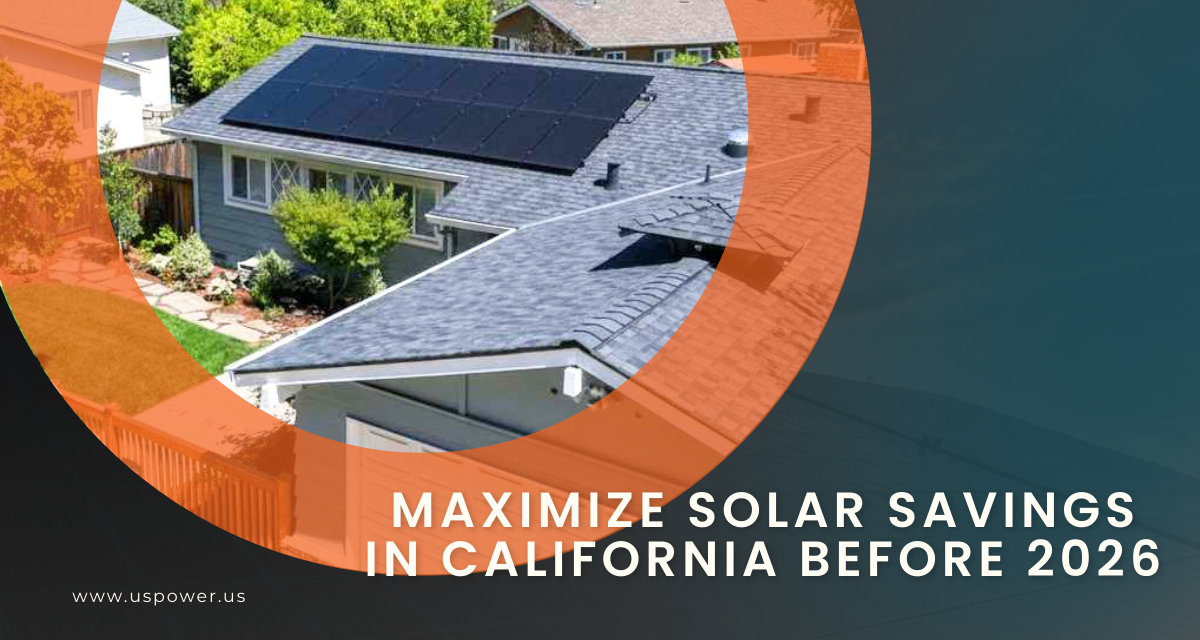
Domina los costos de energía con las tendencias solares 2025 en el sur de California.

¿Cambian tus hábitos los paneles solares? Historias reales de hogares en California.
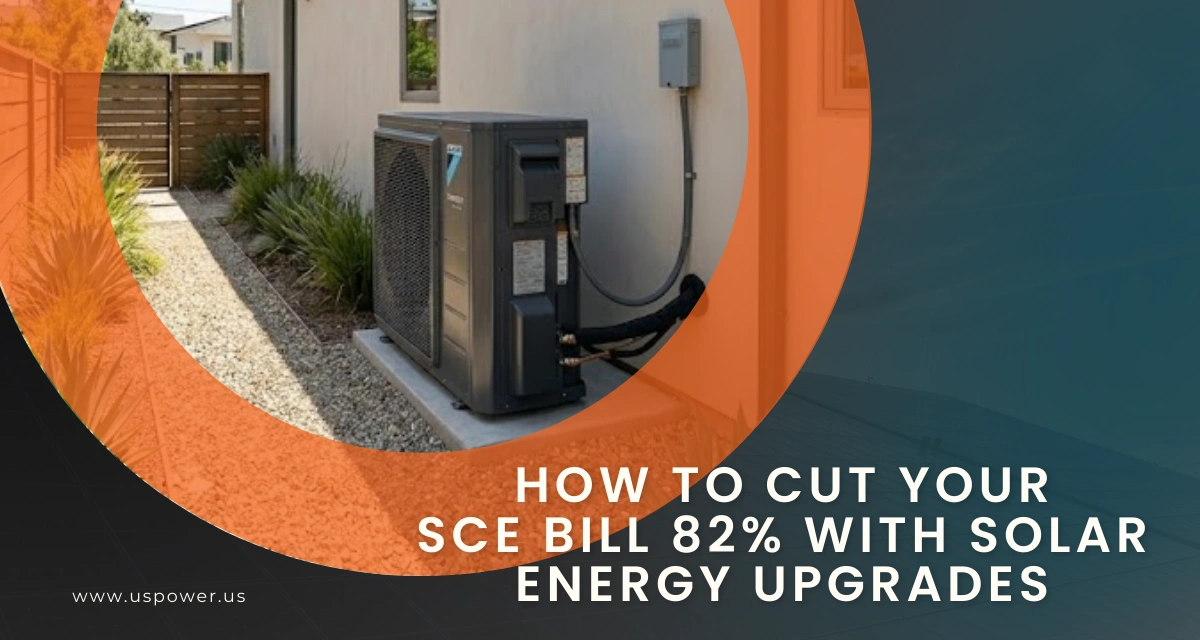
Una decisión de mejora ahorró a este propietario 500 $/año en luz para siempre.









¿Listo para tomar el control de tu energía? ¡Llámanos hoy!
818-650-8010Licencia de contratista n.º: 1144368

Copyright © 2026 US Power - Axia by QCells. Todos los derechos reservados.
¡Obtenga un presupuesto solar al instante mediante satélite!