
¿Aumentan las tasas? Esto es lo que los propietarios de ADU de California deben saber sobre la energía solar.
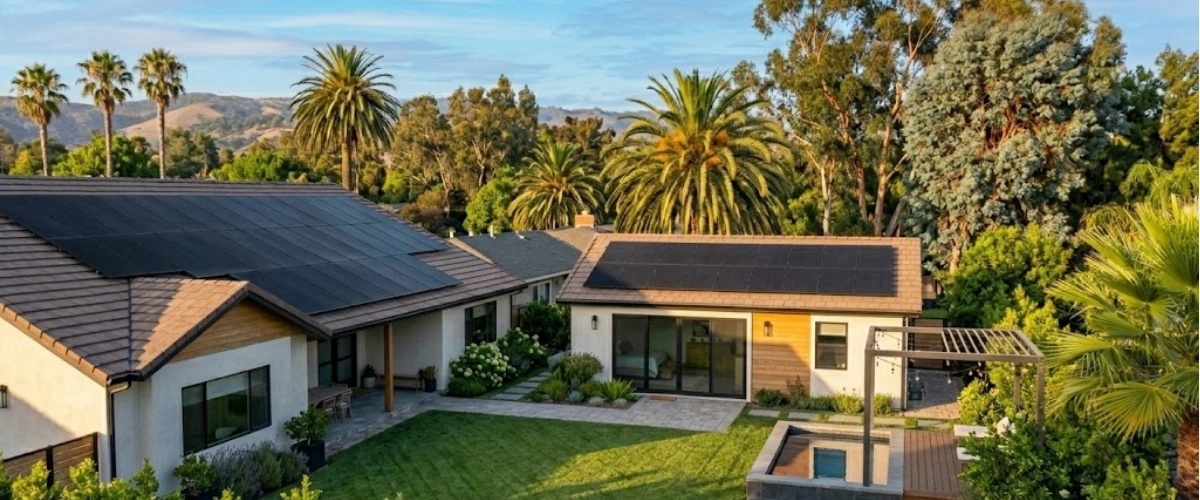
Si tu factura de la luz sigue subiendo, no te lo estás imaginando. PG&E y SCE han aumentado las tarifas residenciales año tras año, y los inquilinos de ADU suelen ser los primeros en sentir la presión. Los propietarios repercuten esos costos y, de repente, la estabilidad con la que contabas desaparece.
Usar energía solar en una ADU de California ya no es solo una buena idea. Para muchos propietarios e inquilinos, se está convirtiendo en la forma más práctica de asegurar costos de energía predecibles. Esta guía detalla exactamente lo que necesitas saber, desde los requisitos legales de California hasta las cifras reales de costos de 2026, para que puedas tomar una decisión segura.
Los inquilinos de ADU ocupan una posición vulnerable cuando aumentan las tarifas de los servicios públicos. La mayoría de los acuerdos de la ADU vinculan los costos de la electricidad, directa o indirectamente, a lo que paga el propietario. Cuando PG&E o SCE aumentan las tarifas, ese costo disminuye rápidamente.
SCE anunció un aumento de tasas del 12,9% para 2026, lo que se suma a una serie de alzas que se han ido agravando discretamente durante años. Los clientes de PG&E se encuentran en una situación similar: las inversiones en infraestructura y los costos de mitigación de incendios forestales se transfieren directamente a los contribuyentes. Los analistas de la industria proyectan que las tarifas residenciales de California seguirán aumentando entre un 5 y un 10% anualmente.
Para ponerlo en términos concretos: un hogar que paga 250 dólares al mes hoy podría pagar 400 dólares o más en cinco años, sin consumir ni un solo kilovatio-hora adicional. Puedes obtener más información sobre cómo aumento de las tarifas eléctricas y ahorros de energía solar conéctese para propietarios de viviendas de California.
Cuando un propietario absorbe un aumento de tarifa del 13% en una propiedad de varias unidades, la ADU suele ser el primer lugar donde aparecen los ajustes de alquiler. Los cálculos son sencillos: el aumento de los costos se distribuye entre los inquilinos, y los acuerdos de la ADU son los que tienen menos protecciones contra ese tipo de ajustes.
Esta es exactamente la razón por la que más propietarios de viviendas de ADU y sus inquilinos consideran que la energía solar es una solución mutua. Elimina por completo el riesgo de los servicios públicos de la ecuación.
Una unidad de vivienda accesoria es una estructura de vivienda secundaria en una propiedad residencial. Puede ser un garaje convertido, una cabaña independiente en el patio trasero, un apartamento en el sótano o una adición adjunta. Las ADU se han vuelto cada vez más comunes en California como respuesta a la escasez de viviendas, y su uso de energía está regulado como cualquier otro edificio residencial.
El código energético del Título 24 de California, actualizado según el ciclo 2025 a partir del 1 de enero de 2026, exige paneles solares en la mayoría de las ADU independientes de nueva construcción. Si el techo de la ADU tiene menos de 80 pies cuadrados contiguos de área solar viable debido a la sombra que proporcionan los árboles o las estructuras adyacentes, es posible que se aplique una exención. Por lo general, las ADU construidas en fábrica colocadas sobre cimientos están exentas.
Vale la pena comprobar lo específico requisitos solares para su ADU de California antes de empezar a planificar, porque las reglas dependen de cuándo hayas obtenido tu permiso y del tipo de ADU que estés construyendo.
Incluso si su ADU se construyó antes del mandato, no hay nada que le impida añadir un sistema solar de forma voluntaria. Para los propietarios actuales de viviendas unifamiliares que buscan reducir las facturas de sus inquilinos y protegerse contra futuros aumentos de tarifas, esta suele ser una de las medidas financieras más inteligentes disponibles en 2026.
Los paneles solares convierten la luz solar en electricidad que utiliza tu ADU en tiempo real. Cualquier energía generada que supere la demanda actual puede almacenarse en una batería o devolverse a la red. En el caso de las aplicaciones ADU, el objetivo es casi siempre maximizar lo que se utiliza in situ.
El clima de California brinda a las ADU una ventaja solar significativa. La mayoría de las áreas del estado reciben suficientes horas de sol diarias para que un sistema de buen tamaño sea altamente productivo. Para ver en qué se traduce esto realmente en la práctica, eche un vistazo a los paneles solares generan energía en California para propietarios reales que rastrean sus sistemas mes a mes.
Una ADU típica con un sistema solar de tamaño pequeño a mediano puede cubrir la mayor parte de sus necesidades de electricidad durante las horas del día. El desafío llega por la noche, que es exactamente donde NEM 3.0 cambia la ecuación.
Antes de abril de 2023, las normas de medición neta de California le acreditaban tarifas cercanas a las minoristas por cada kilovatio-hora que sus paneles solares devolvían a la red. Esa era ha terminado. Con el NEM 3.0, los créditos a la exportación se redujeron a aproximadamente entre 2 y 8 centavos por kilovatio-hora durante las horas pico de energía solar, en comparación con los 30 a 35 centavos que se pagarían por retirar esa energía de la red por la noche.
El resultado práctico: exportar energía solar durante el día y volver a comprarla por la noche ya no funciona como estrategia financiera. El autoconsumo es lo que impulsa el ahorro ahora, y por eso una batería marca la diferencia.
Una batería almacena el exceso de electricidad que producen los paneles durante el día. En lugar de enviar esa energía a la red por una fracción de su valor, la conservas y la utilizas durante el período pico de 16:00 a 21:00 horas, cuando la electricidad de la red es más cara.
Con un sistema solar y de baterías de buen tamaño, los propietarios de ADU de California pueden compensar entre el 75 y el 90% de sus costos de electricidad, incluso con NEM 3.0. Sin una batería, esa cifra se reduce significativamente porque el consumo nocturno sigue dependiendo de la costosa energía de la red. Si se ha preguntado si añadir almacenamiento tiene sentido desde el punto de vista financiero, consulte el desglose detallado que se encuentra en ¿Vale la pena almacenar baterías solares en California? explica las matemáticas.
Los argumentos a favor del almacenamiento son especialmente sólidos en el caso de las ADU porque sus cargas de energía suelen ser predecibles. Un inquilino que trabaja desde casa, tiene una computadora de escritorio y monitores por la noche y mantiene una pequeña cantidad de equipos funcionando las 24 horas del día es exactamente el tipo de carga para el que está diseñado un sistema de baterías.
Los sistemas de baterías aumentan el costo inicial, pero la ecuación a largo plazo ha cambiado. Para ver más a fondo la forma en que los propietarios de viviendas piensan tomar esta decisión en 2026, la batería de respaldo doméstica vale la pena para la energía solar cubre el panorama completo, incluidos plazos de amortización realistas.
Según el código del Título 24 de 2025 de California, las ADU nuevas también deben incluir un precableado listo para la batería, incluso si no se instala una batería de inmediato. Esto significa un circuito dedicado de 240 V y un espacio en el panel reservado para el almacenamiento futuro. Instalar la batería al mismo tiempo que la energía solar es casi siempre más rentable que modernizarla más adelante.
Los precios de la energía solar ADU en California dependen del tamaño de la unidad y de sus demandas de energía, pero los rangos en 2026 están bien establecidos. Un sistema pequeño adecuado para un estudio o una unidad ADU de una habitación suele costar entre 8 000 y 12 000 dólares instalados. Los sistemas de tamaño mediano para unidades más grandes o de mayor consumo cuestan entre 12 000 y 18 000 dólares. Si se añade el almacenamiento en batería, el total asciende a aproximadamente entre 20 000 y 35 000 dólares, según la capacidad de la batería.
Para una comprensión más amplia de la procedencia de estas cifras, el desglose completo de cuánto cuesta la instalación solar en California vale la pena revisarlo antes de solicitar cotizaciones.
La mayoría de las cotizaciones de energía solar en California se distribuyen a través de varios niveles de distribuidores, organizaciones de ventas e instaladores. Cada capa añade un marcado. US Power trabaja directamente como representante directo de fábrica de QCells, el fabricante, que elimina esas capas por completo. Los clientes siempre ven que los precios están entre un 15 y un 20% por debajo de la media del mercado, sin comisiones ocultas ni sorpresas al momento de firmar.
La elección de una empresa de energía solar para un proyecto de ADU requiere más cuidado que una instalación residencial estándar. Las ADU suelen incluir medidores compartidos, requisitos de permisos únicos y coordinación entre propietarios e inquilinos. Necesitas una empresa que ya haya navegado por este territorio.
US Power reúne varias ventajas que son importantes específicamente para los proyectos de ADU. Como socio exclusivo de QCells en California, líder mundial en fabricación de energía solar con instalaciones de producción en los Estados Unidos, US Power ofrece paneles con una garantía integral de 25 años que cubre los paneles, la fabricación y el rendimiento.
Cada proyecto es administrado por consultores con licencia de la CSLB que se encargan de los permisos, la coordinación de los servicios públicos y las inspecciones. El plazo típico desde la firma del contrato hasta el permiso de operación es de 3 a 6 semanas, lo que es significativamente más rápido que el promedio de California. Si quieres entender qué separa a una empresa solar fiable de una empresa problemática, qué buscar en una empresa de energía solar de California vale la pena leerlo antes de firmar nada.
US Power ofrece una financiación flexible que permite que la mayoría de los proyectos de ADU avancen con un pago inicial de 0 dólares. En muchos casos, el pago mensual de energía solar es inferior a lo que la propiedad pagaba a PG&E o SCE antes de la instalación. Eso significa ahorrar desde el primer día, no esperar a ver qué pasa.
Si bien el crédito fiscal federal a la inversión en energía solar finalizó el 31 de diciembre de 2025, California aún ofrece incentivos significativos para las instalaciones solares de ADU en 2026. Varias empresas de servicios públicos municipales, como Burbank Water and Power y Pasadena Water and Power, están ejecutando programas de reembolso activos para sistemas solares y de baterías. La exención del impuesto a la propiedad solar de California, que protege a los propietarios de un aumento del impuesto a la propiedad cuando añaden energía solar, permanecerá en vigor hasta 2027.
Estos incentivos son urgentes y están disponibles por orden de llegada. Los ahorros que se obtienen al fijar tu tarifa solar ahora, antes de que llegue el próximo aumento de los servicios públicos, se acumulan rápidamente.
La energía solar ADU en California ya no es una inversión a largo plazo que valga la pena algún día. Con PG&E y SCE aumentando las tarifas cada año y con NEM 3.0 haciendo que el almacenamiento en baterías sea la opción más inteligente, los propietarios de viviendas que actúen ahora son los que consiguen ahorros reales antes de que los costos aumenten aún más.
US Power ofrece paneles QCells directamente de fábrica, experiencia con licencia CSLB, una garantía integral de 25 años y un rápido proceso de 3 a 6 semanas para obtener el permiso de operación. Su consulta gratuita tarda 60 segundos en programarse y no implica ningún compromiso.
La próxima subida de tipos ya está en camino. Su sistema solar ADU no tiene por qué serlo.


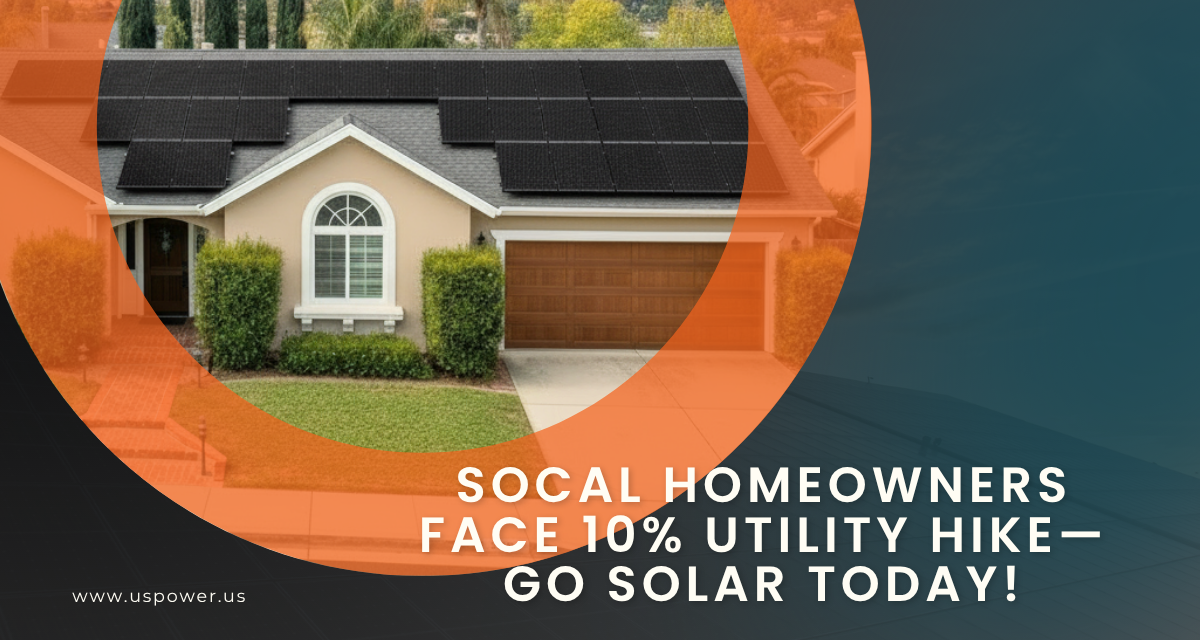
Avoid SCE’s 10% rate hike with solar savings with US Power and Qcells Technology.
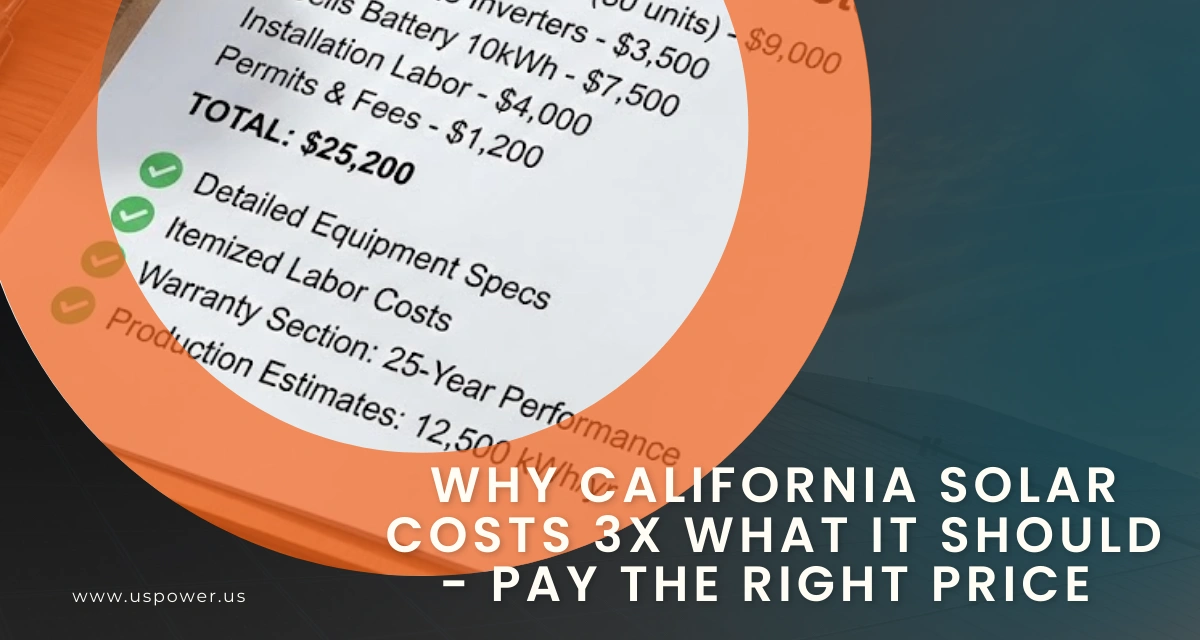
You're not imagining it—California solar really does cost 3X more than it should.
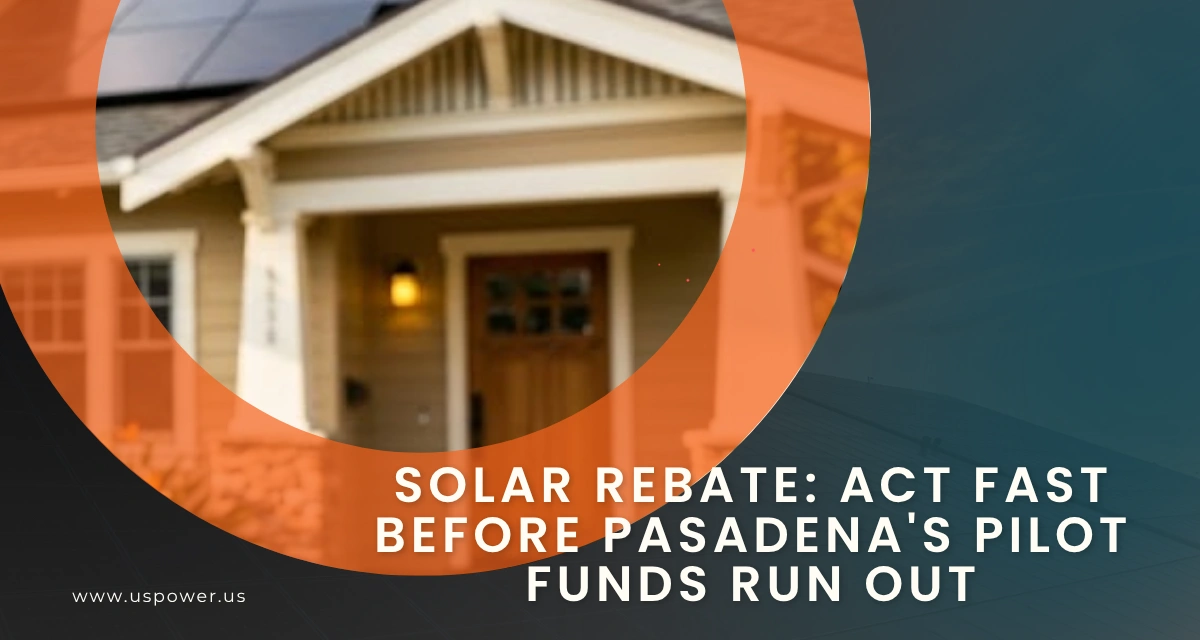
PWP's $2.65M solar rebate for Pasadena's live but it closes the moment funds run out.






¿Estás listo para ser dueño de tu poder? ¡Llámenos hoy mismo!
818-650-8010Contractor License #: 1144368
Derechos de autor © 2025 US POWER | Energía solar y techosUS Power - Axia by QCells. All Rights Reserved.
¡Obtenga una estimación solar instantánea usando el satélite!